
Alex Mouzakitis
Lecturer in Physiotherapy
Duration
3 years Full Time
Level
UndergraduateUG BSc (Hons)
BBC at A Level
DMM at BTEC
Full Time: £9,790
study@northampton.ac.uk
0300 303 2772
Updated 13/10/2026
Our BSc Physiotherapy degree enables students to develop as reflective critical thinkers fit for the future. Our approach to learning and teaching is underpinned by active-blended learning and a problem-solving approach to facilitate effective clinical reasoning skills, communication strategies and promotion of positive leadership values.
Our Physio course emphasises practice-based education and research-informed prevention and management of population health, considering contemporary issues which underpin the ever-evolving health and social care landscape.
This course is accredited by The Chartered Society of Physiotherapy (CSP).
On successful completion of this BSc Physiotherapy programme, you will be eligible to apply for registration with both the Health and Care Professions Council (HCPC) and the Chartered Society of Physiotherapy.
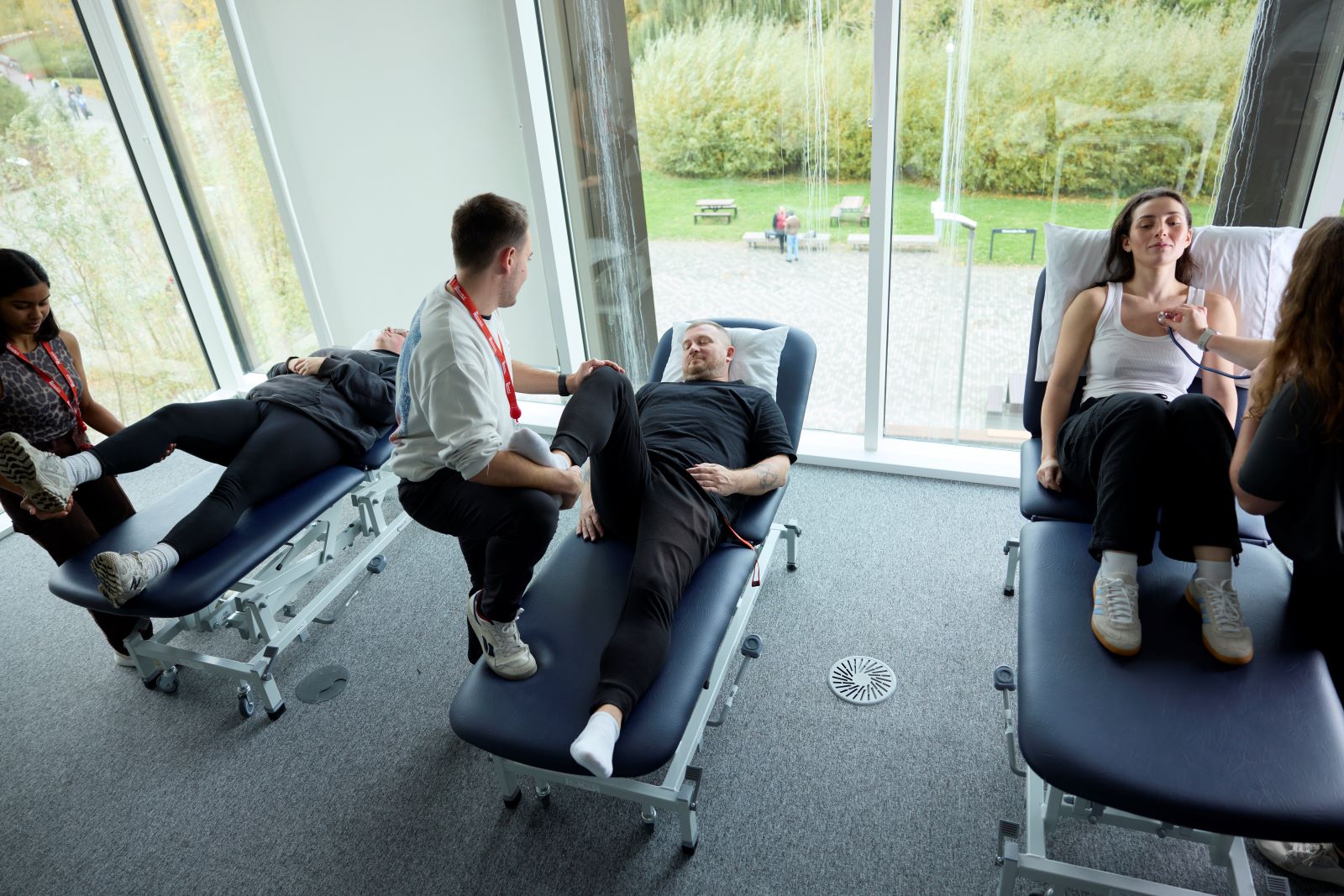
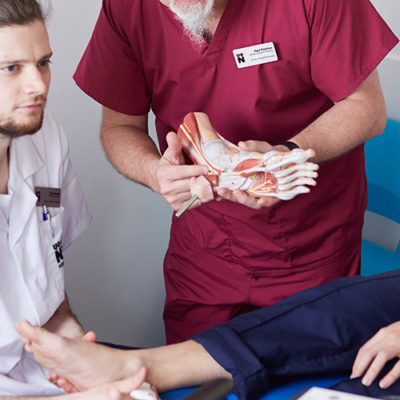
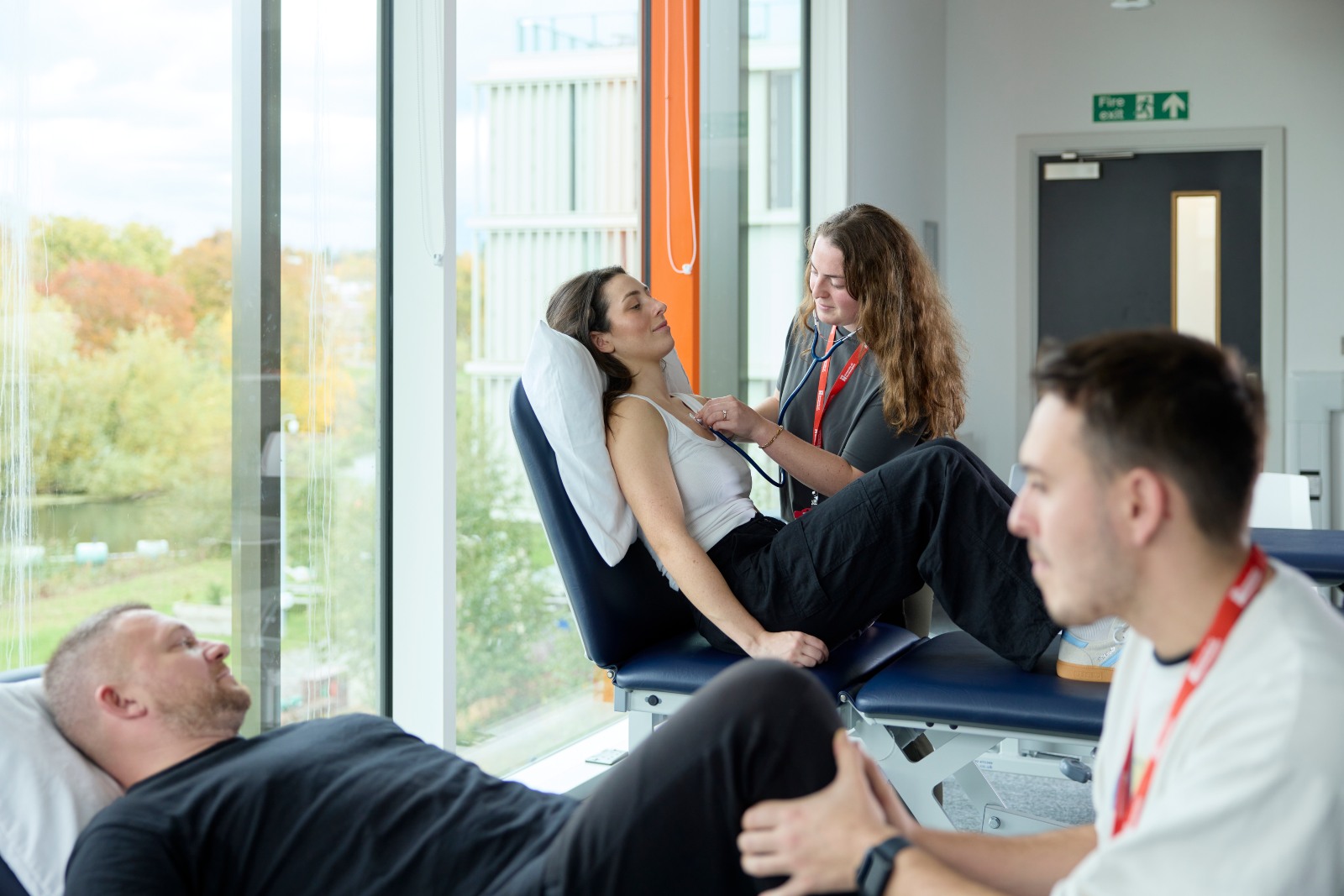
A group of Physiotherapy students practice in the lab.
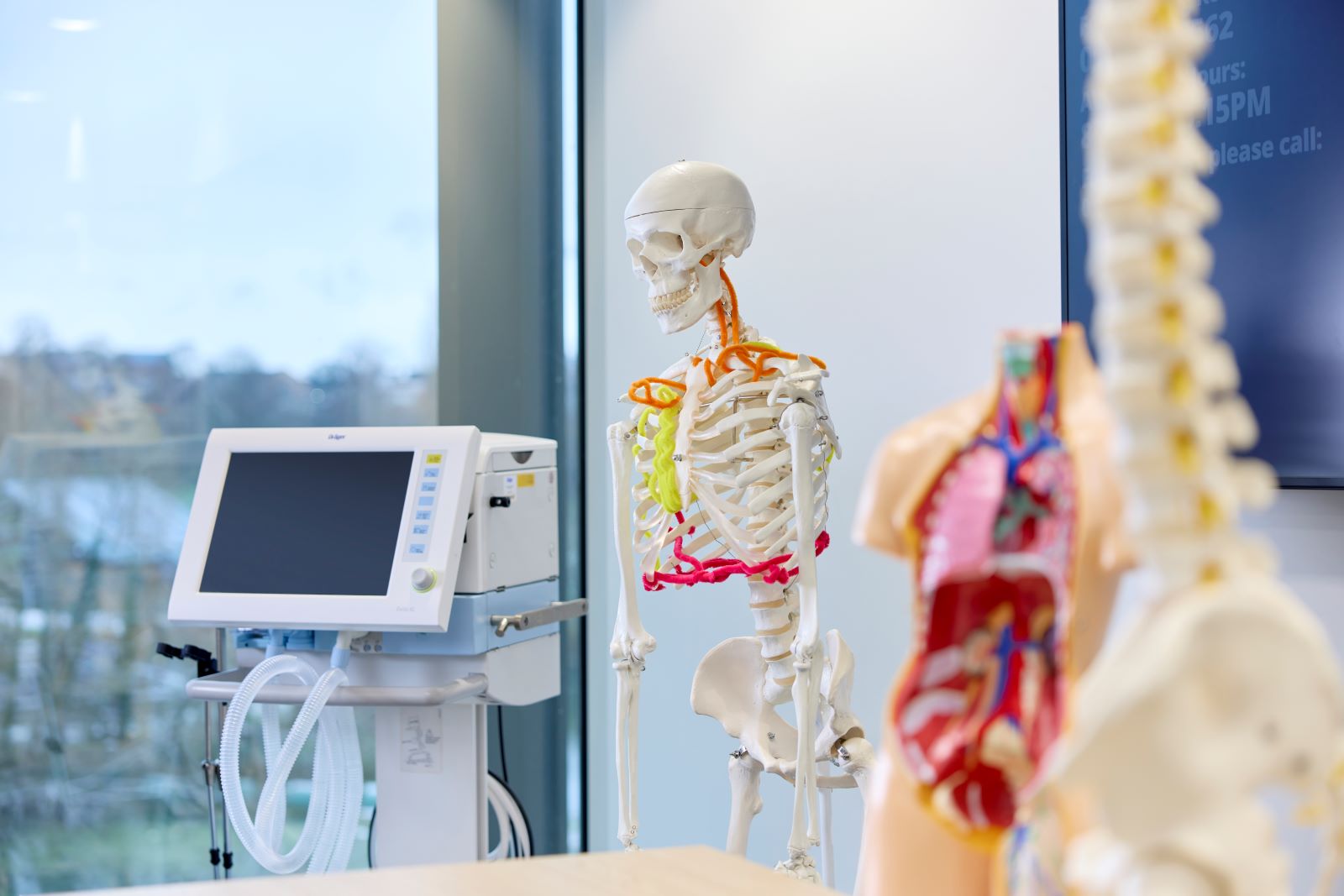
View of equipment in Physiotherapy lab, including a hospital monitor, and anatomical models including a skeleton and human body models.
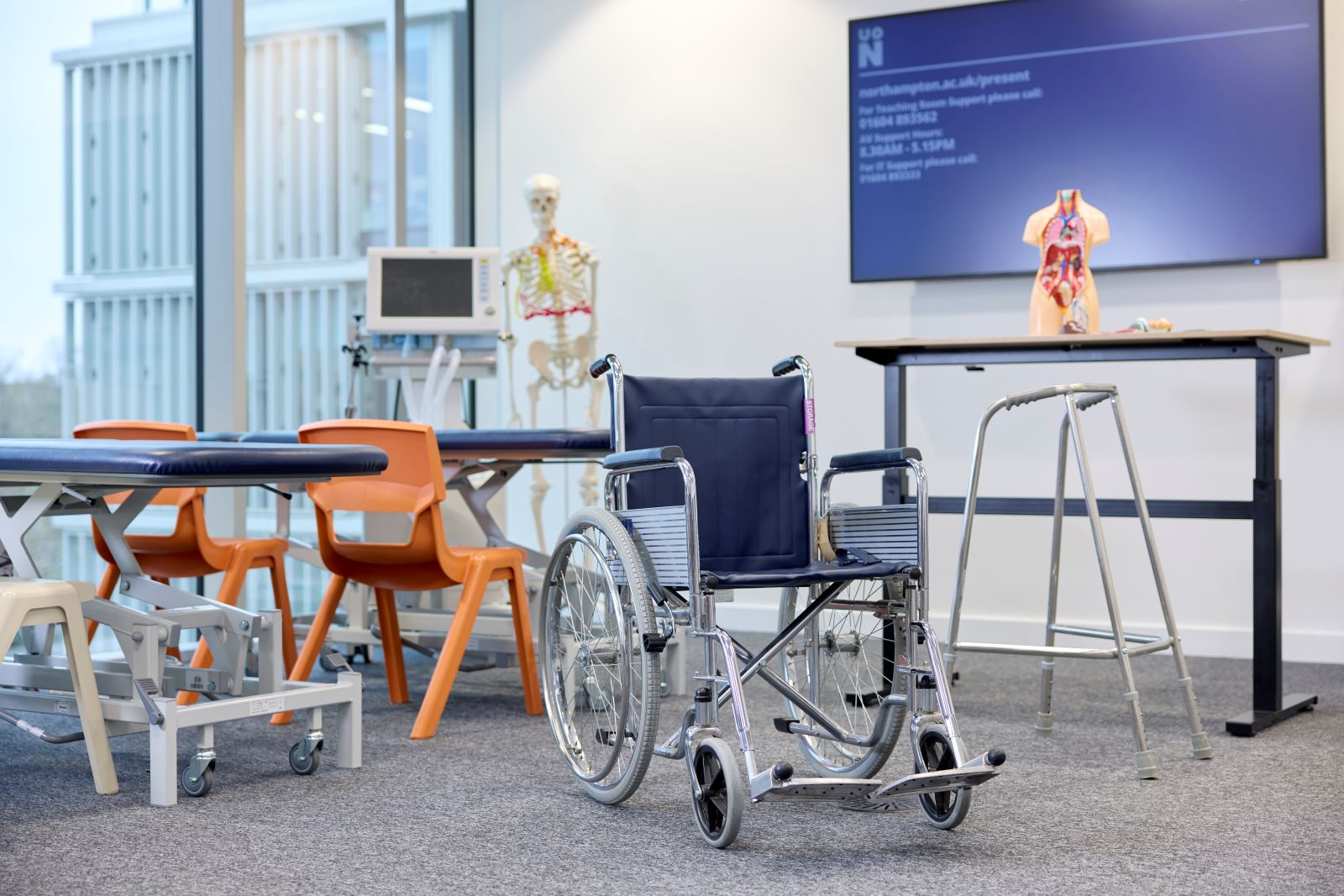
Equipment in the Physiotherapy lab, including a wheelchair, consulting table, chairs, walker and human anatomical models.

View of the internal staircase in the Learning Hub to the library on the second floor.
You also need one of the following qualifications for our Physiotherapy BSc:
Five GCSEs including Maths and English at Grade C and 112 UCAS points, which could comprise of (but not restricted to):
Applicants should also be able to evidence:
Both aspects should be evidenced within the personal statement and interview process.
Additional Entry Requirements:
Occupational Health Clearance:
All healthcare students are required to undertake a standard Occupational Health Clearance which will assess your health and immunisation record and assess your fitness for the programme you have chosen. Courses such as midwifery, dental nursing and paramedic science also require an enhanced Occupational Health clearance and appropriate immunisation to undertake exposed prone procedures (EPP). Without the enhanced occupational health clearance your ability to attend some clinical placements/activities in Trust areas may be limited or refused, causing delays with course progression and employment. Further information for healthcare students can be seen through the following link (appendix 1) Green Book: Chapter 12 Immunisation of healthcare and laboratory staff.
International students must be eligible for a UK student VISA where applicable.
Applicants must demonstrate a command of the English Language to allow them to succeed on their programme of study. Where English is not the first language, or the applicant has not been educated mainly in English, they should possess a certificate showing:
Applicants will be interviewed to further determine their ability to communicate in English.
Each application to our BSc (Hons) Physiotherapy course is considered by its own merit, and we promote applications from prospective students with varied and diverse backgrounds and experiences. Following the initial application, which includes a personal statement, those applicants which meet these criteria will be invited for an interview with members of the programme team (this may also include members of the service user and carer group and our practice partners).
Following a successful interview, students will be sent a pre-enrolment form to complete. After the completion of the pre-enrolment form, students will be enrolled onto the modules and given access to the University systems.
Open Days give you the best experience and insight to courses, people and facilities that interest you. Make your choice easier and come meet us.
Book NowOur BSc Physiotherapy programme equips students with the skills required for a successful career in physiotherapy. The curriculum combines theoretical knowledge, practical skills, and real-world practical experiences. Students engage in active-blended learning, research projects and diverse practice placements, preparing them for the diverse role of physiotherapy within current and future healthcare practice.
The first year of our Physiotherapy BSc focuses on developing professional skills and a comprehensive foundational knowledge base. This includes exploring anatomy and functional human movement, understanding population health needs and how physiotherapists can lead in prevention and management. Students will concentrate on the core areas of physiotherapy practice (cardiorespiratory, neurological, and neuromusculoskeletal).
Students engage extensively with service users to understand working with diverse population groups and allowing early exposure to the concepts of holistic, person-centred care and respecting each individual.
The year includes an observational practice placement within the first semester to introduce students to real-world physiotherapy and healthcare practice.
This module will introduce students to the Physiotherapy Profession and the standards of conduct, performance and ethics they are expected to actively implement. An emphasis will be applied on developing key skills for life-long learning, promotion of professional wellbeing and championing equality, diversity and inclusion within practice.
The purpose of this module is to introduce students to functional anatomy of the human body. You will develop an understanding of movement analysis for key functional movement patterns and practically apply knowledge of functional anatomy to develop clinical handling skills which aids physiotherapy practice.
The purpose of this module is to introduce students to the role of physiotherapy within promotion of population health and well-being. Students will explore physiology and pathophysiology and the implications on health. This includes the key role of the physiotherapist within prevention of ill health throughout the lifespan.
This module introduces students to the neurological system to facilitate foundational understanding of neurological conditions. The students will explore the evidence base to clinically reason the assessment and management of simple neurological conditions using an ethical and biopsychosocial framework of practice.
This module introduces students to the neurological system to facilitate foundational understanding of neurological conditions. The students will explore the evidence base to clinically reason the assessment and management of simple neurological conditions using an ethical and biopsychosocial framework of practice.
This module introduces students to the neuromusculoskeletal system to facilitate foundational understanding of neuromusculoskeletal conditions. The students will explore the evidence base to clinically reason the assessment and management of simple neuromusculoskeletal conditions, within an ethical and biopsychosocial framework of practice.
Please note the modules shown here relate to the academic year 26/27. The modules relating to the academic year 27/28 will be available from June 2027.
Practice placements are a core component of the BSc (Hons) Physiotherapy programme. Students will undertake five placement opportunities designed to develop physiotherapy knowledge, skills, and clinical reasoning. Students’ professional confidence will also be developed in diverse placement experiences across NHS, private, voluntary and community settings. Within these settings, students will have an opportunity to experience a range of clinical specialities which may include:
Our placement provision is designed to support individual students’ preferences whilst also allowing them to develop their experience across specialities. Continual support is provided throughout placements via clinical educators and visiting academic tutors. Students are encouraged to provide feedback on their learning experiences during their placement to support their own reflection. This feedback also informs future placement developments and will enhance the student journey to qualification.
At the University of Northampton, everything we do, from funded trips to paid internships, is to give you everything you need to make a difference when you leave.
If you join our full-time BSc Physiotherapy degree at the University of Northampton, you will receive a laptop when your course begins*. The laptops are built to a bespoke custom specification ideal for use in the seminar room, collaborative group work or studying at home.
Whatever your ambitions, we’re here to help you to achieve them. We’ll support you to identify the skills you’re learning during your physiotherapy course, find your strengths and secure practical experience so that when it comes to applying for jobs or further study you’ll feel confident in standing out from the crowd. We’ve created the Northampton Employability Promise because we are so confident that if you focus on your studies and complete one of our awards you’ll be highly employable by the time you graduate. Putting you in a great position to secure employment or continue your studies.
To check out the full list of perks, visit our Student Perks page or dedicated International Perks page.
* UK fee payers only (see Terms and Conditions for further details)
Our BSc Physiotherapy programme has strong links with clinical practice and provides students with learning opportunities within a variety of settings, sectors and specialisms. This will include the National Health Service (NHS), private, voluntary and charity organisations, and will vary in length from 5 to 7 weeks for each placement block. The expected working week is 37.5 hrs. This is to ensure that every student completes the required 1,000 hours of practice, which is stipulated by our professional body. Practice placement experience is an important aspect of the qualifying programme, to allow the transference and application of theory into practice.
Physiotherapist students will also have the opportunity to participate in role-emerging placements, those aimed at social innovation in collaboration with local organisations, and others with a specific leadership or research focus. They are completed under the supervision of registered physiotherapists and supported by the academic team.
What facilities are there to support my learning?We have purpose-built facilities with specialist equipment for teaching and learning to enable practical and simulated sessions. All students are fully provided with the technological support required to study in an active-blended learning format.
How is evidence-based research integrated into our teaching approach in the curriculum?Students in our physiotherapist course will learn to analyse research studies, assess their findings for clinical applications, and conduct their research projects. The programme employs an active learning approach, integrating classroom teaching, online learning and practical skills sessions, where students work collaboratively to enhance their problem-solving skills. They will engage in interactive online activities and practical skills sessions to apply theoretical knowledge to real-world situations, preparing them for the challenges of the profession.
How does the physiotherapy degree ensure that all material is contemporary and relevant to current service needs?UON’s physiotherapy degree is led by experienced, registered physiotherapists. These specialists in their fields maintain strong links with clinical practice and ensure teaching is informed by the latest research, industry developments, and best practice.There is also an emphasis on external and guest lecturers from practice/specialist fields as well as active involvement from our service user and carer group, to ensure diversity and enhance the teaching and learning process. The programme is regularly reviewed through internal and external quality assurance processes, which also take into consideration the student voice, to ensure it remains contemporary, facilitates the learning process and is relevant to the changing needs of the profession.
How do we teach?We aim to ensure a ‘community of enquiry’ is facilitated within the classroom. Working with diverse student groups, due to varied previous background experiences and education, allows for a more in-depth exploration of the contemporary physiotherapy profession and facilitates the opportunity for interesting debates and conversations within the classroom.
How will I be assessed on this physiotherapy course?Our BSc (Hons) Physiotherapy programme employs a diverse range of assessment methods to ensure students develop the essential skills required for professional practice. These assessments are designed to be inclusive, authentic, and directly applicable to real-world physiotherapy scenarios. Examples include:
These varied assessment strategies ensure that our graduates are well-prepared, competent, and confident to excel in the dynamic field of physiotherapy.
What financial or otherwise support is available to students?Please see the Fees & Funding section above. In addition, our Student Life webpage has a host of information on Fees & Funding as well as Academic Support, Wellbeing Support, Accommodation, Bursaries and Scholarships, Student Perks and a lot more.
For international students, please see the dedicated International Student page.
Get all the info you need ahead of time, before you can apply for funding in spring on our fees and funding pages.
UON will adjust fees annually for UK (Home) Students up to the maximum allowable fee cap set by the Secretary of State for Education.
When assessing an applicant’s eligibility to pay home fees, we use the guidance provided by the UK Council for International Student Affairs (UKCISA) which sets out the regulations that have been decided by the UK Government Department of Education.
Tuition fees quoted for International Students apply only to the 2026/27 academic year. These fees may increase in future years in line with Consumer Price Index (CPI) inflation to reflect rising delivery costs. Any annual increase will be capped at a maximum of 5% of the previous year’s tuition fee. Updated tuition fees will be published on the UON website at least three months before the start of the next academic year.
Travel and accommodation costs related to placements may be incurred:
Students, studying nursing, midwifery and many of the allied health professions courses from September 2020, may be eligible for a payment of at least £5,000 a year which they will not need to pay back. They may be able to apply for Financial support through the NHS Learning Support Fund (NHS LSF) which offers eligible students additional support while studying for their degree. This is in addition to the Student Loan from the Student Loans Company.
Financial contribution towards your travel, and expenses in relation to your practice learning opportunities, may be available to you from the NHS Learning Support Fund. Details, including eligibility criteria, can be found on the NHS website.
As this funding is provided by the Department for Health & Social Care (UK Government) please check the NHS LSF website for full details, any changes and updates.
For more information about possible funding options, please visit our Fees and Funding pages.
International students can visit our dedicated International Student page for relevant information. More information on Student Finance, including Postgraduate Master’s loans and bursaries can be found on the gov.uk website.
Fees quoted relate to study in the Academic Year 2025/26 only and may be subject to inflationary increases in future years. UON will adjust UK fees annually in line with Government Policy.

Lecturer in Physiotherapy

Senior Lecturer in Physiotherapy

Senior Lecturer in Physiotherapy

Lecturer in Physiotherapy

Senior Lecturer in Physiotherapy

Senior Lecturer in Physiotherapy

Lecturer in Physiotherapy

Lecturer in Physiotherapy

Lecturer in Physiotherapy
Our physiotherapy university courses equip students to enter the physiotherapy profession with confidence, supported by a wide range of practical placement opportunities and a strong emphasis on lifelong learning, digital fluency, effective communication, social innovation, research, and leadership. Graduates will be fully prepared to work as qualified physiotherapists across diverse settings, including the NHS, private practice, sport and voluntary or charitable organisations.
Upon successful completion of the BSc Physiotherapy programme, you will be eligible to apply for registration with both the Health and Care Professions Council (HCPC) and the Chartered Society of Physiotherapy (CSP).
We also host an annual Employability Fair, attended by a broad network of local and national employers. The event includes workshops designed to help newly qualified physiotherapists prepare for job applications and interviews.
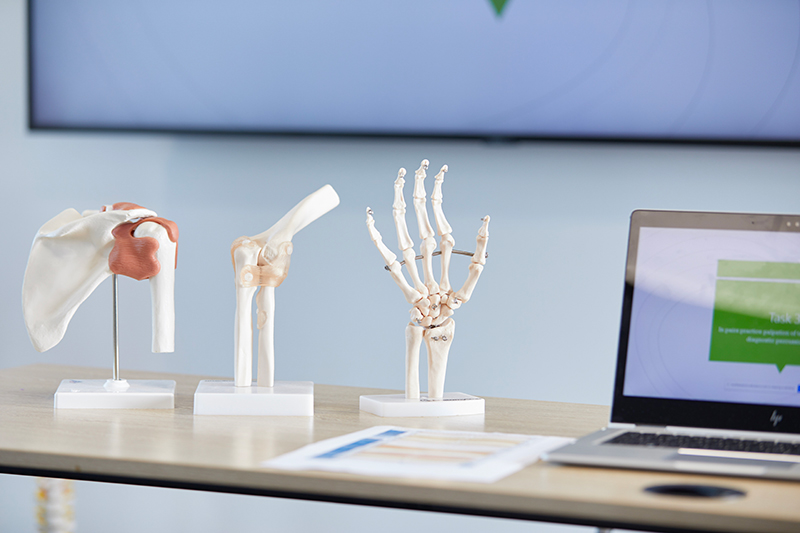
A versatile area with plinths, walking aids, exercise equipment, adjuncts to neurological rehabilitation and respiratory equipment.
View Facility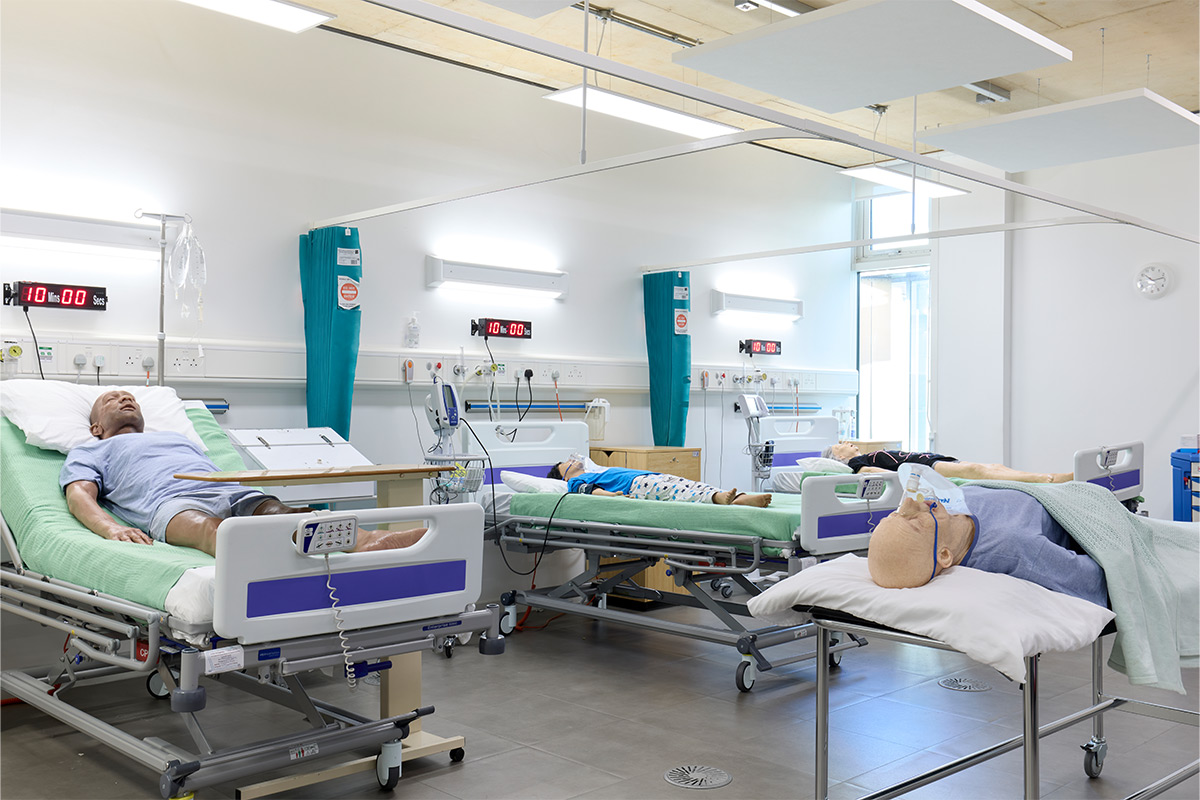
A realistic, acute clinical environment with mannequins, hospital beds, medical gases systems, clinical equipment, and more.
View Facility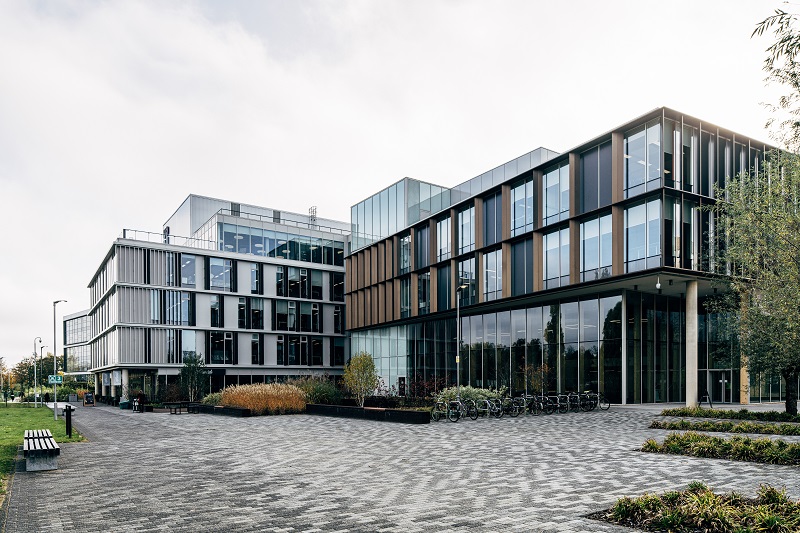
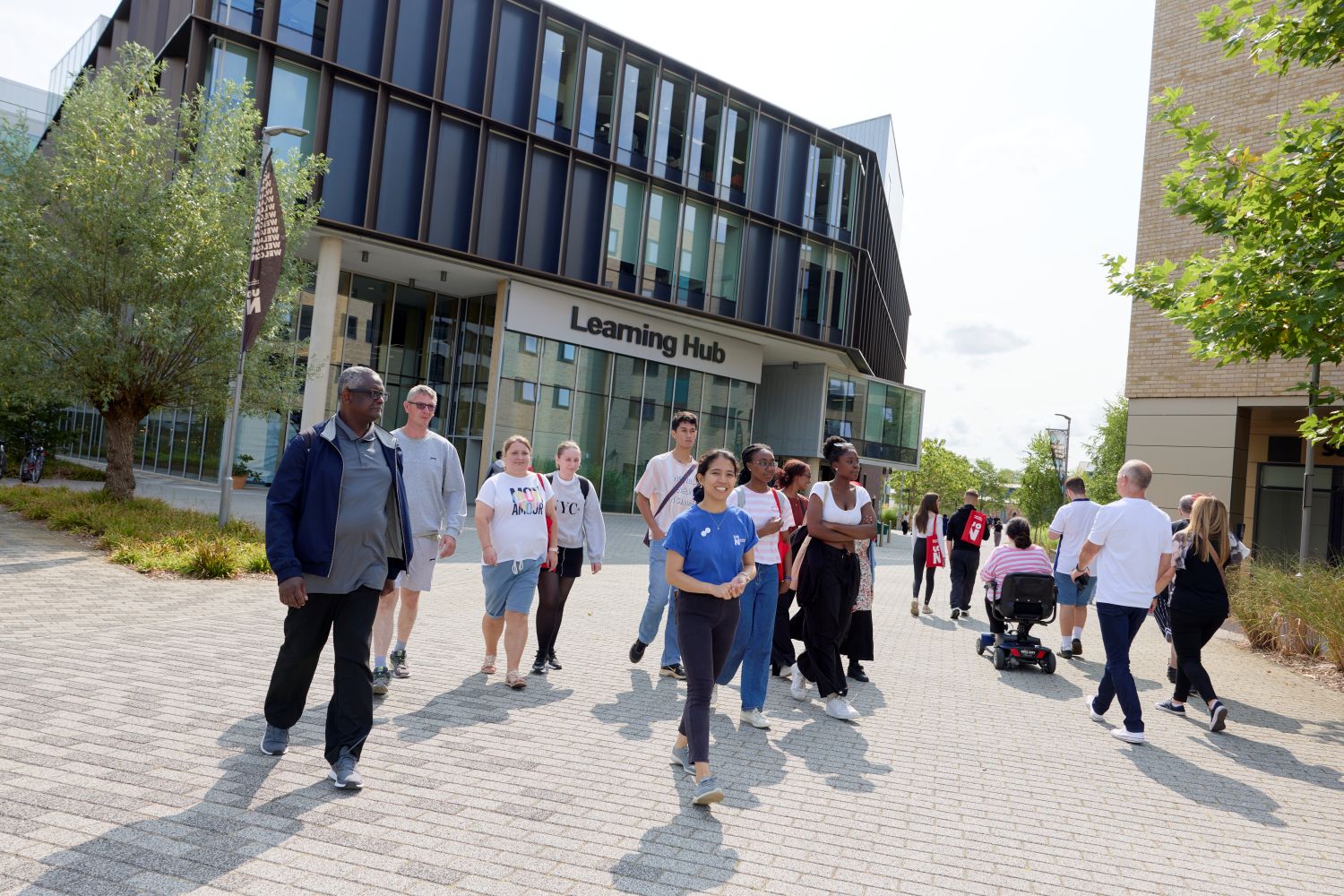
The Learning Hub is at the heart of the campus and home to the student information desk.
View Facility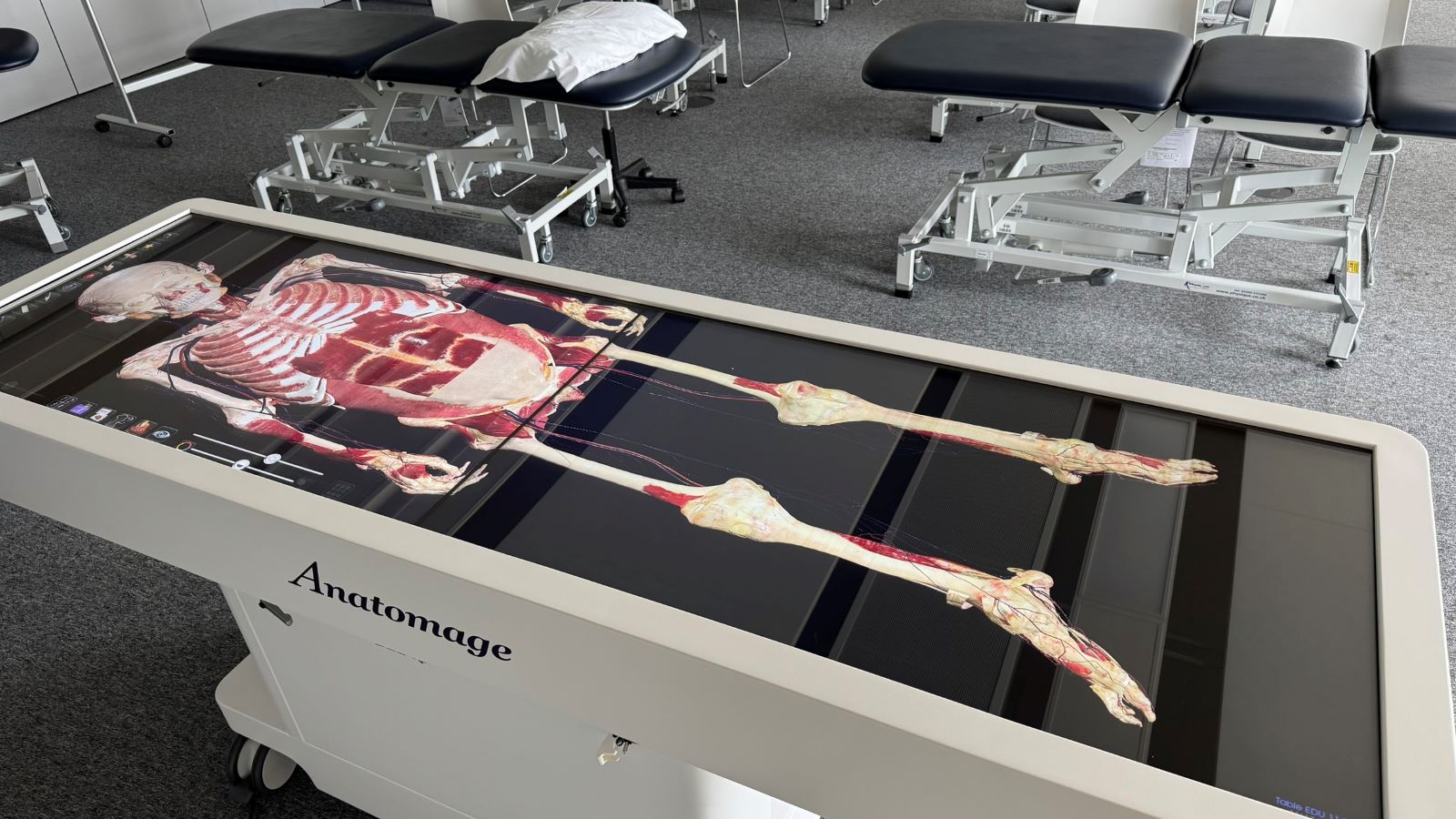
A 3D interactive digital dissection desk for students on Health Professions and Sport courses.
View Facility