
Natasha Evans
Senior Lecturer in Education
UCAS Code
3 year: L590
4 year: L591
Duration
3 years full time
4 years full time (with foundation)
4-6 years part time
CCC at A Level
MMM at BTEC
Full time: £9,790
Part Time: £1,630 per 20 credit module
Integrated Foundation Year: £9,790
Updated 16/10/2026
Develop your knowledge and understanding of the lives and experiences of children, young people and their families through academic study and work-based learning with the University of Northampton’s ‘Working with children, young people and families’ BA degree. Driven by values of inclusion, empowerment and social justice, this exciting degree supports your academic and professional development to enhance your skills and career prospects so that you can make a positive impact for children, young people and families. You will explore a range of topics and key issues, including poverty, mental health, youth offending, safeguarding and anti-discriminatory practice.
This degree will help you to navigate a breadth of theoretical, practical and social issues that challenge and support ever-transforming services for children, young people and families. The Government agenda has seen the need for more integrated and responsive services that includes emotional and mental health support for children and young people; practice that works to support families holistically; play-work; behaviour support and youth justice.
For Student Satisfaction in the East Midlands
Overall student positivity out of all universities in England
Satisfied with Teaching for Education
Complete University Guide 2027, Childhood and Youth Studies Subject Area, For Student Satisfaction (East Midlands only). Office for Students (OfS) data from the National Student Survey (NSS). Guardian data from the 2026 Education subject table.
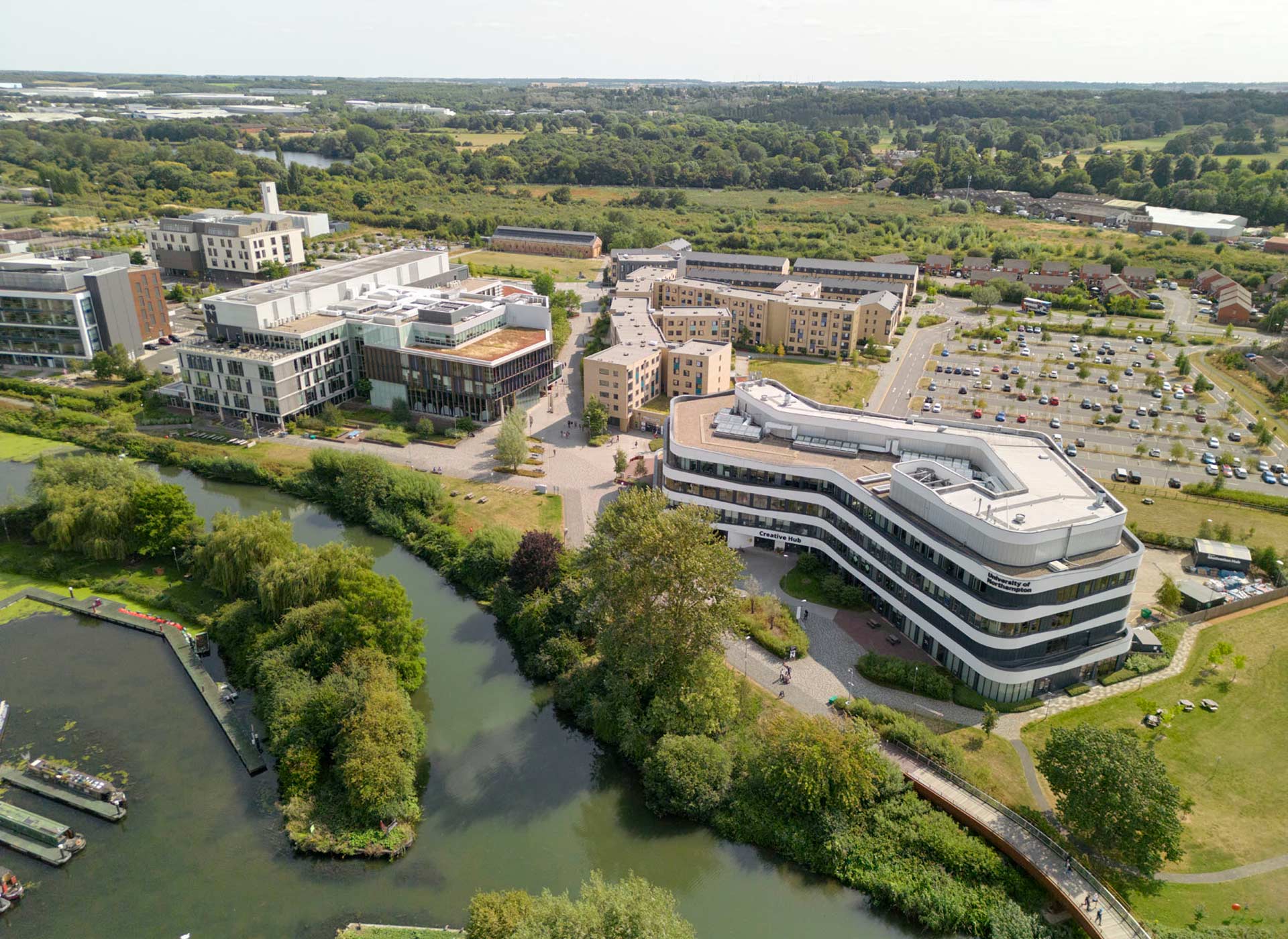
Waterside campus has everything students needs from: Learning Hub featuring 24/7 library, Creative Hub, on-site shop, restaurant, cafes and food outlets, multi-faith chaplaincy, student village hall, Students' Union and more. With only a short walk over the bridge into the town centre.
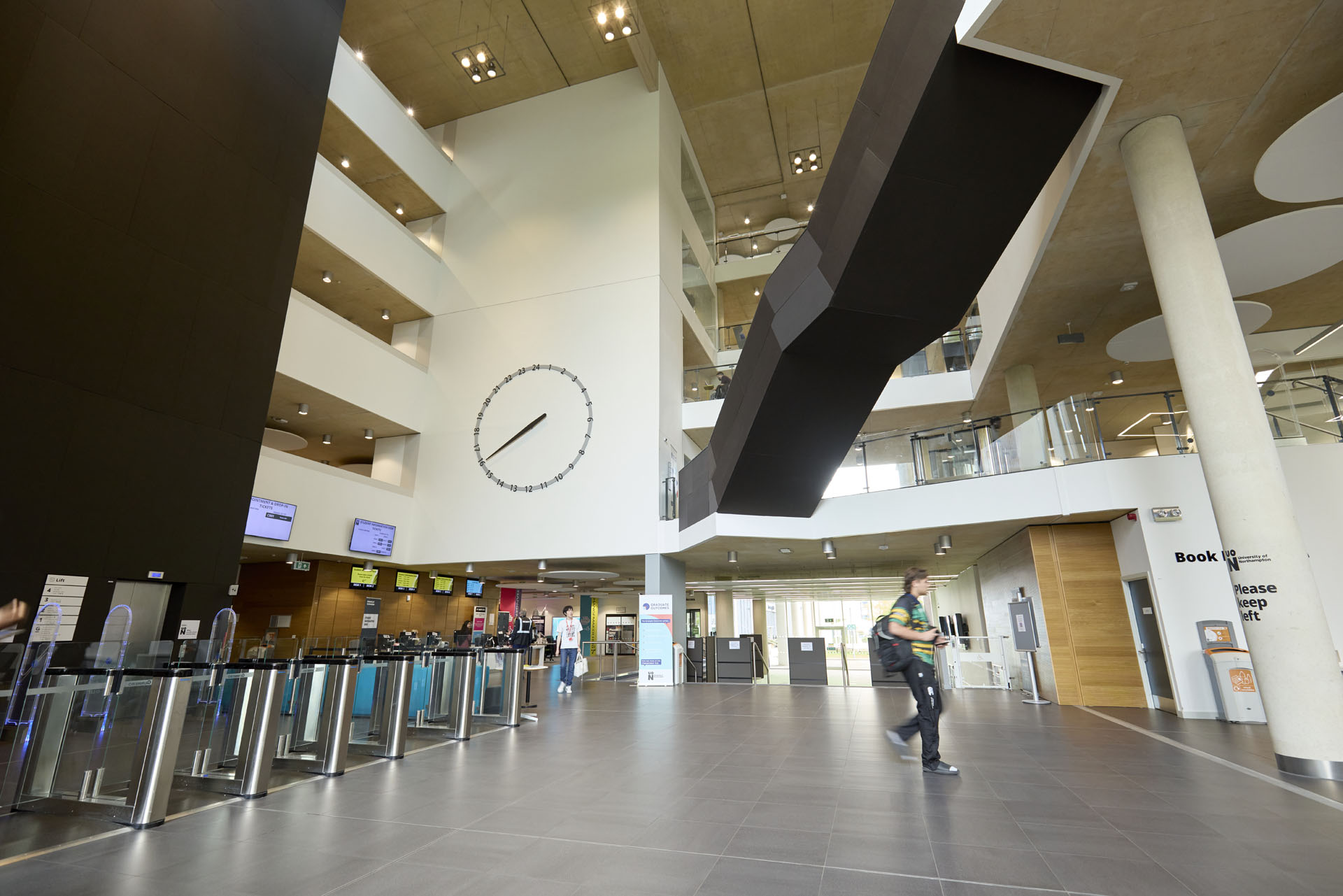
The Learning Hub and Student Information Desk would be a student's first point of call when needing support.
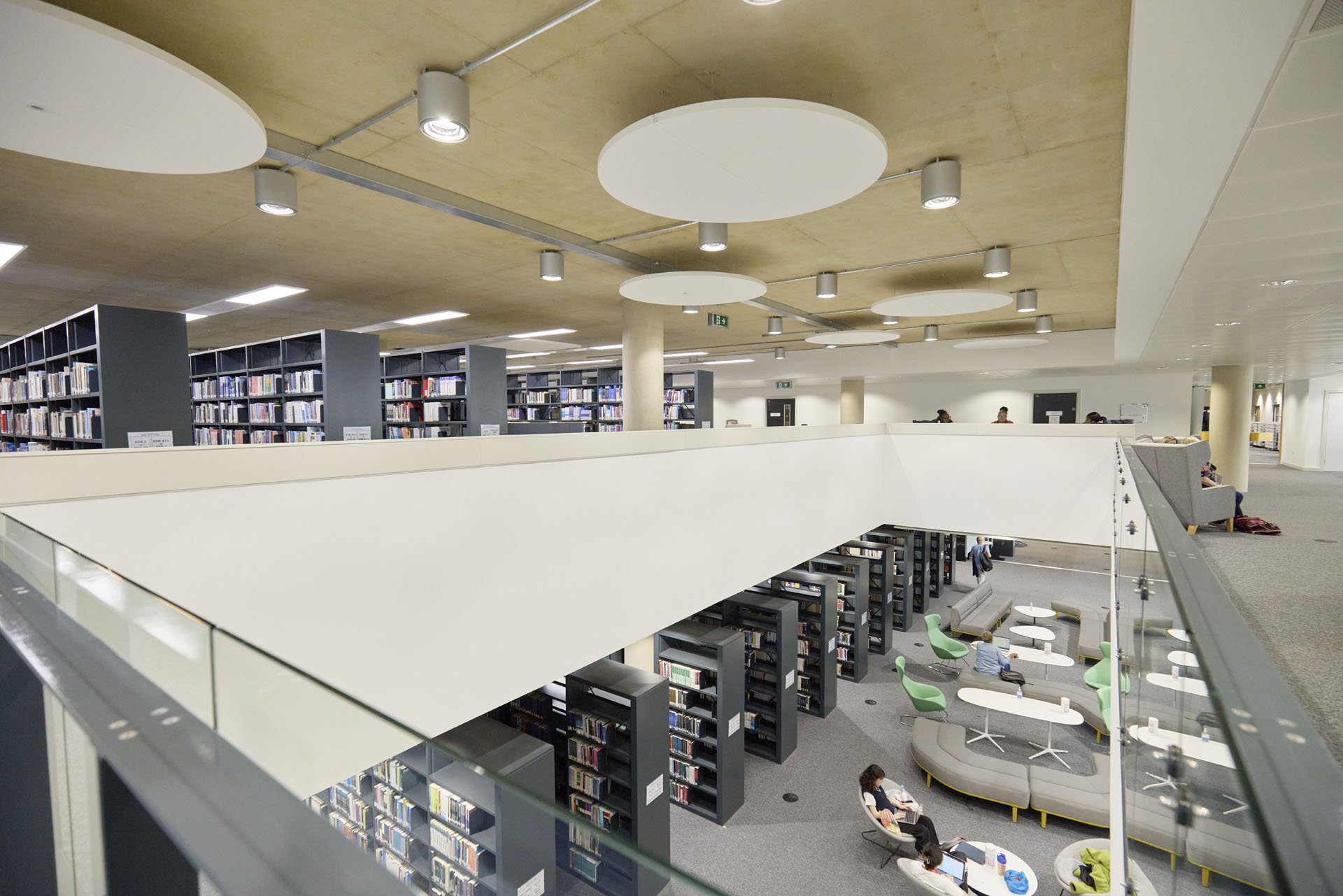
Our library covers three floors of the Learning Hub, with IT rich learning environments, including silent and group study spaces, physical books. Don't forget there are plenty more resources available online!
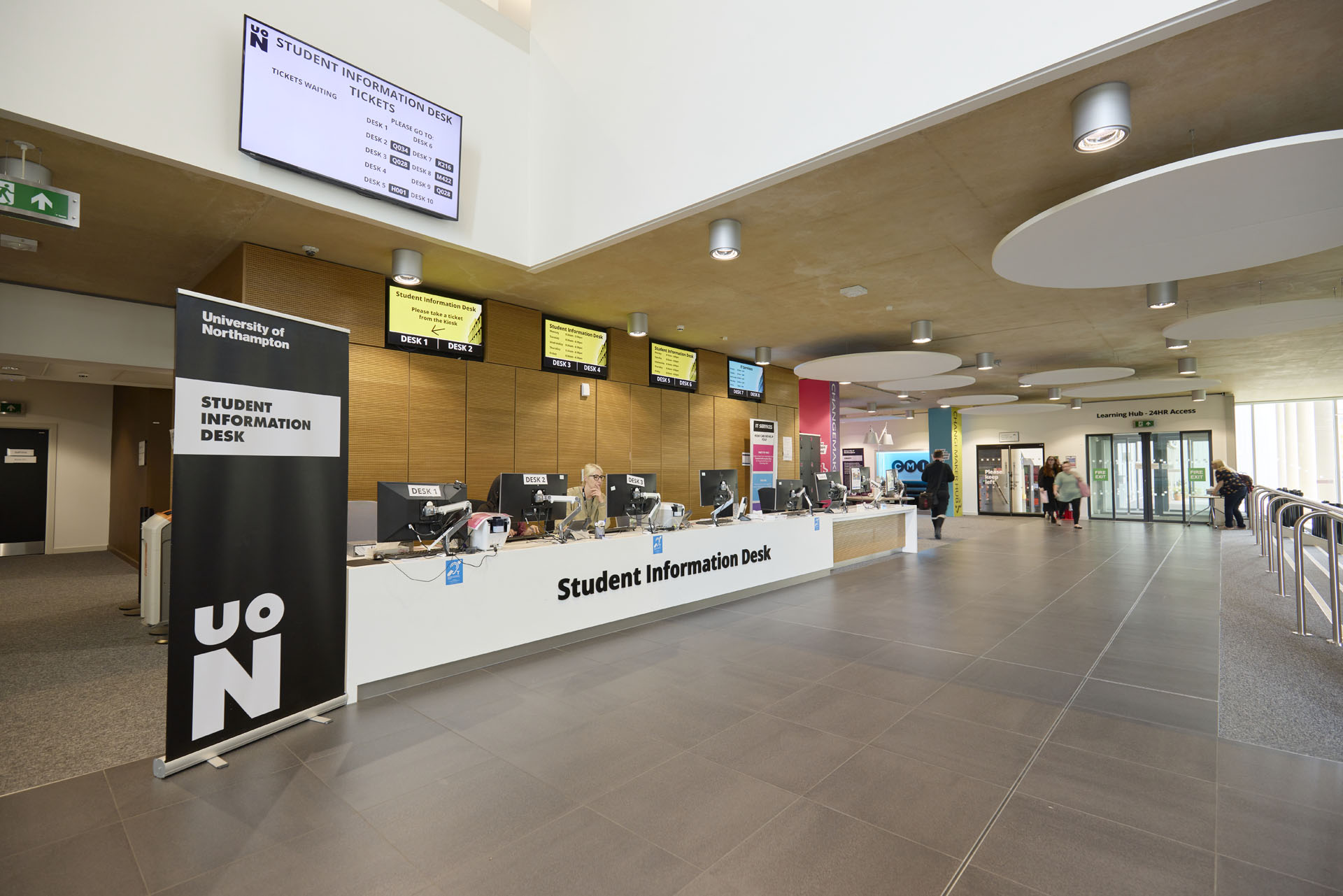
The Student Information Desk is the first place a student should go if they need any help. Here the team can direct you to academic support, mental health support, financial support, IT support, and more.
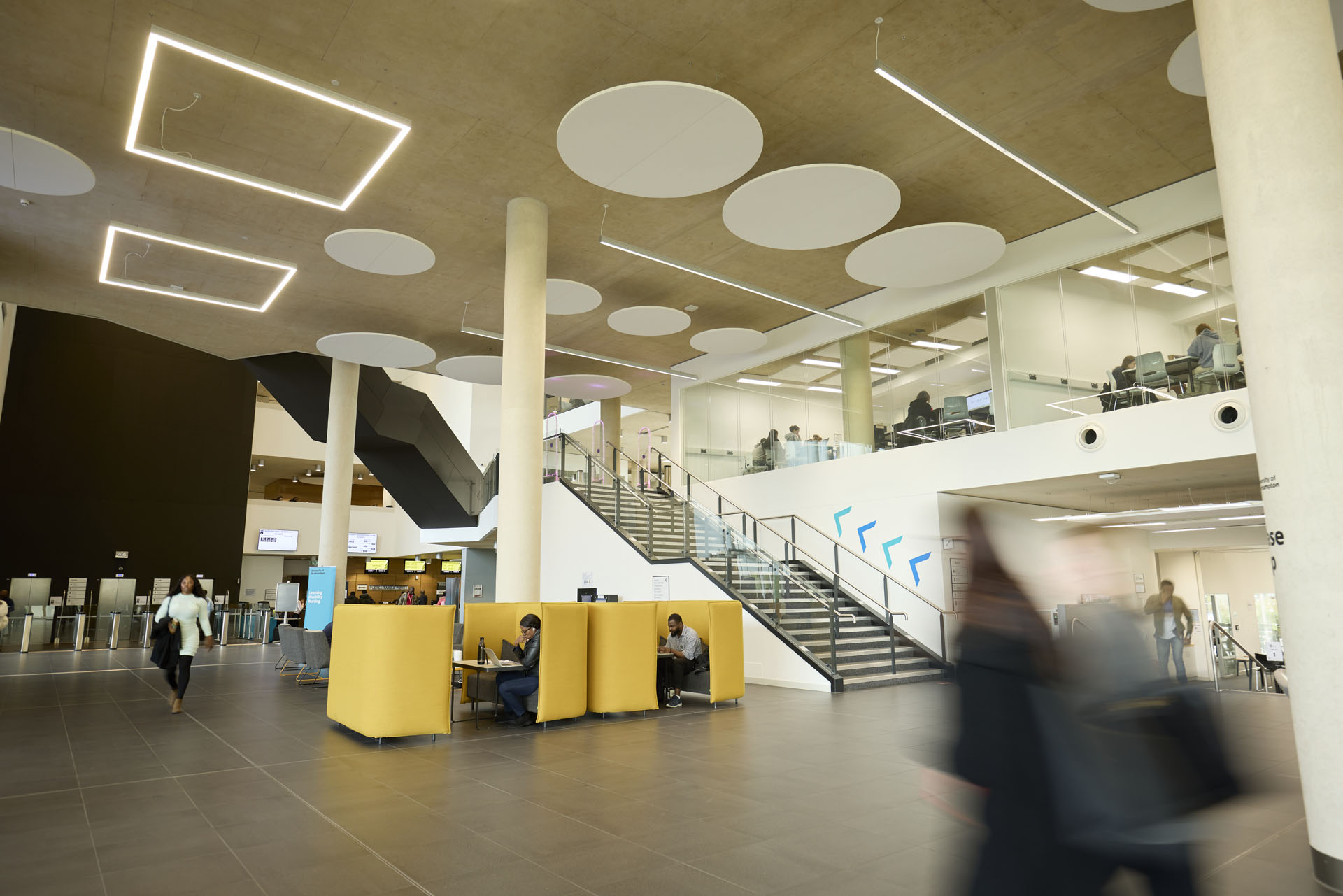
The Learning Hub is where every student will go for library support and classes, as well as food outlets and social events.
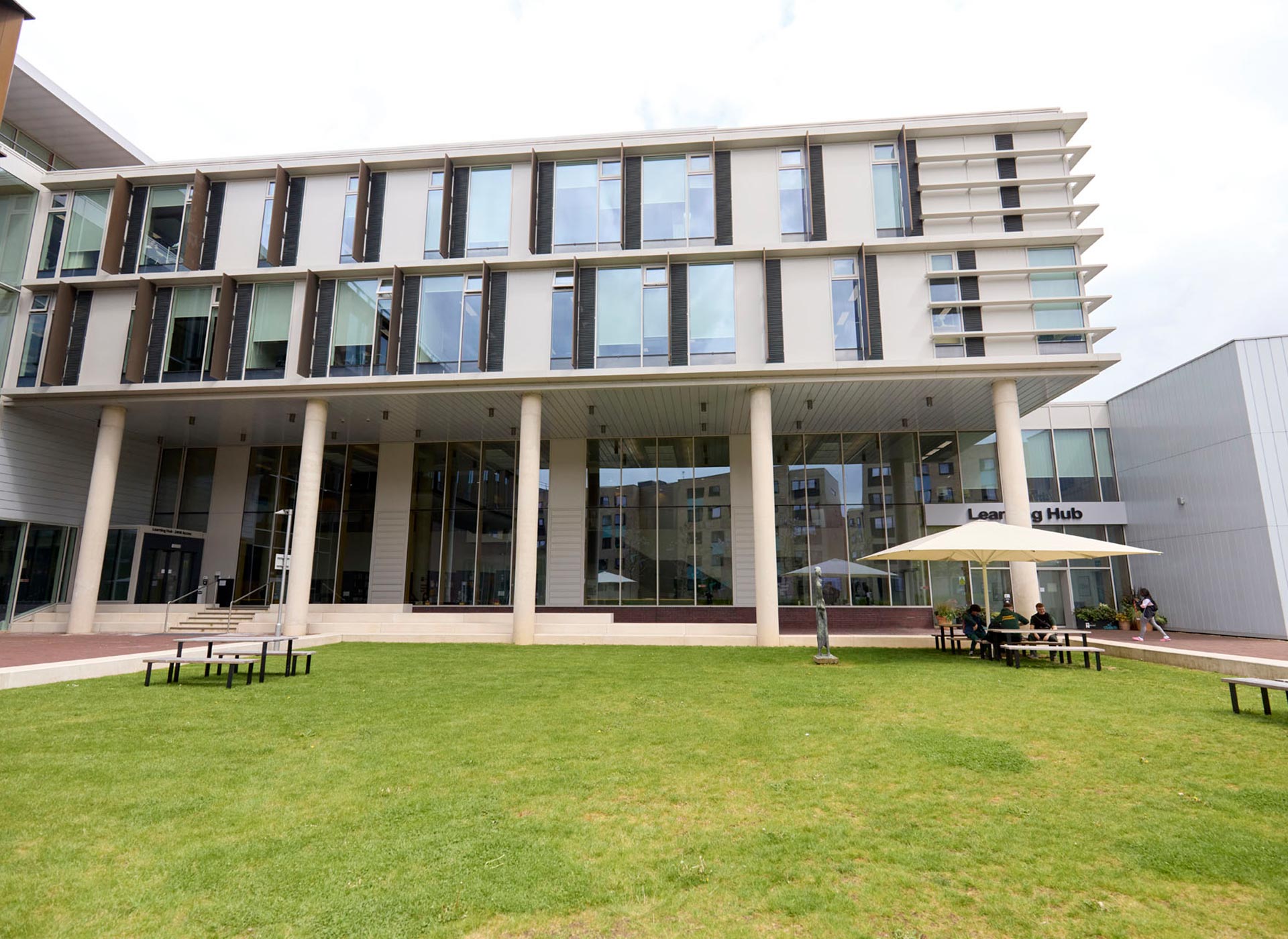
The Learning Hub also has lots of outdoor space for meeting with friends or finding some silent time between classes.
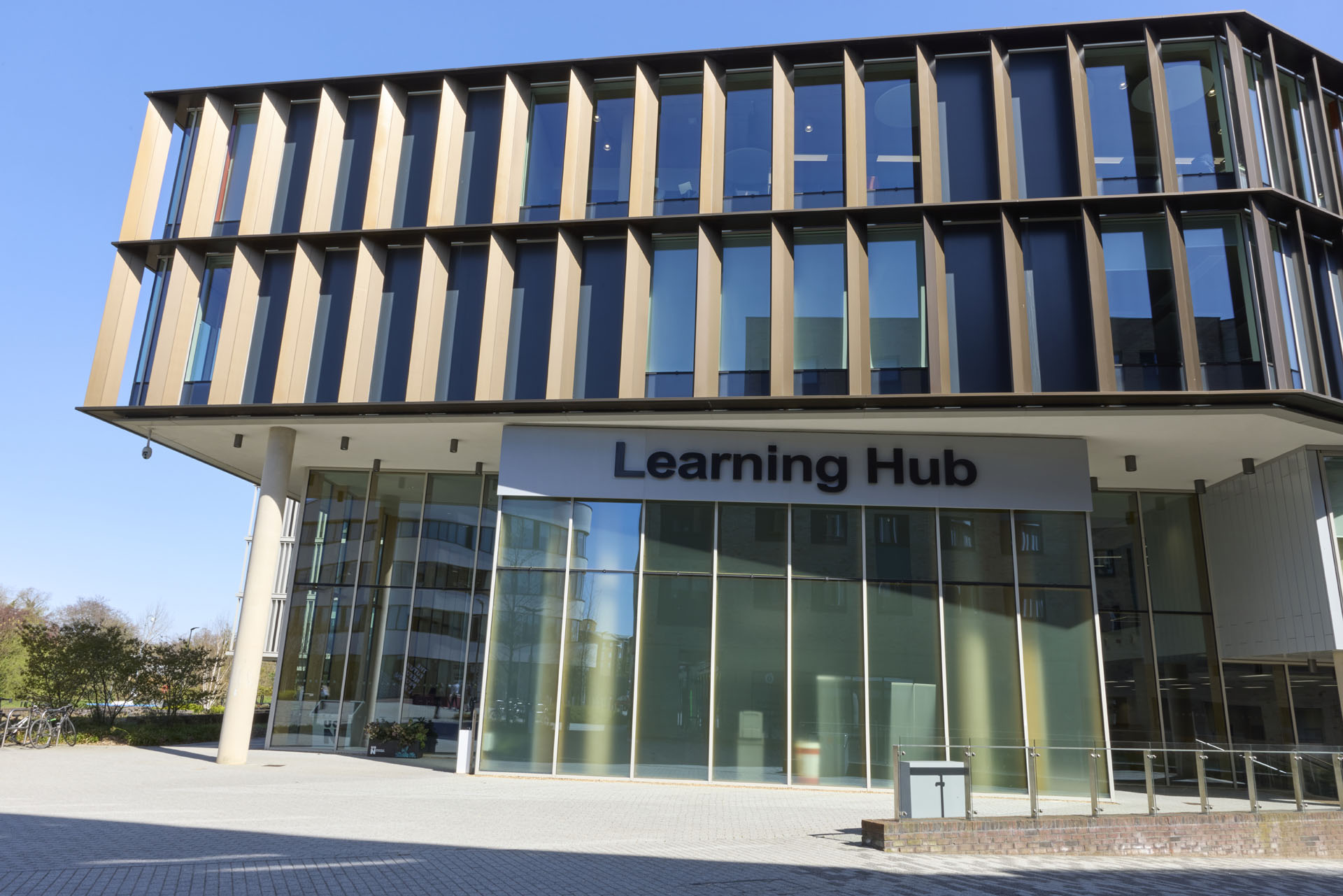
The Learning Hub is the biggest building on campus, home to our Student Information Desk, 24/7 library, teaching spaces, cafes, and more.
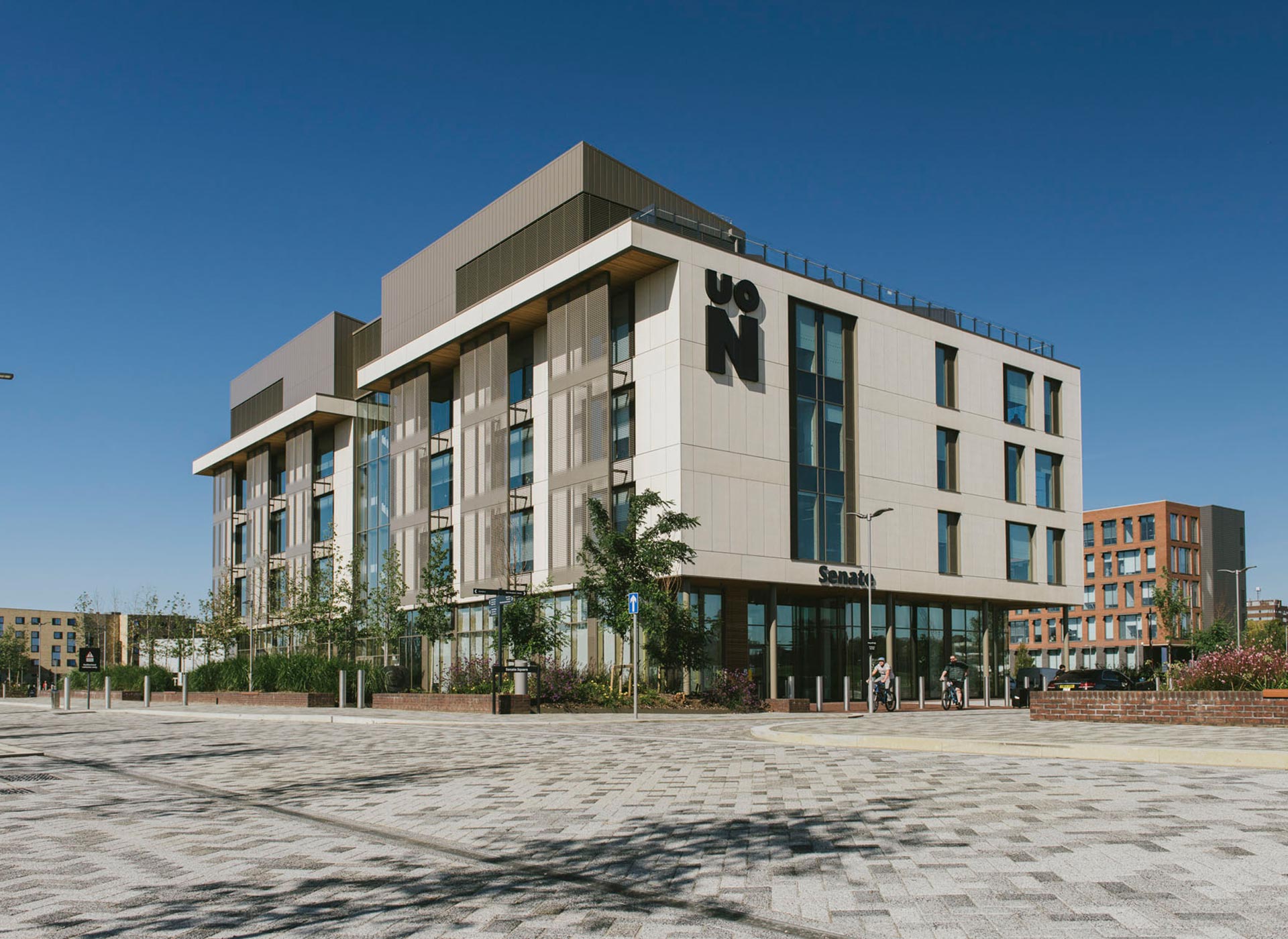
The big and spacious modern Senate building has various types of learning spaces, teaching rooms, our Bloomberg suite, Morley Room lecture hall, and cafes.
A typical offer for Working with Children, Young People and Families BA (Hons):
We welcome applications from students with a mix of A levels and BTEC/Cambridge Technical qualifications.
In addition to general entry requirements, applicants for the University of Northampton are normally expected to hold English and Mathematics equivalent to a GCSE grade C/4.
We welcome international applications and applications from students with a range of non-traditional educational or professional qualifications. We will require that you undertake a Disclosure and Barring Service (DBS) check and ask that you demonstrate your commitment to working with children and young people, through voluntary work or similar.
Admission to Working with Children, Young People and Families (Hons) Integrated Foundation Year is normally:
We welcome applications from students with a mix of A levels and BTEC/Cambridge Technical qualifications.
However, we would also like to hear from you if you have professional or industry experience instead, a range of other qualifications or self-developed subject knowledge that relates to the programme you wish to study.
All International and EU students applying for a course with us must meet the following minimum English language requirements:
For information regarding English language requirements at the University, please see our IELTS page.
Sustainability and the natural world must be at the heart of children’s learning and we are excited about the opportunities this programme will bring to the health, education and wellbeing of our community.
The University of Northampton’s degree in Working with Children, Young People and Families has been designed to contribute towards achieving the following United Nations Sustainable Development Goals: SDG3 Good Health and Wellbeing and SDG4 Quality Education.
This course produces graduates who can address gaps in provision and improve the services available to children, young people, their families and the wider community. Our staff (and external visitors) are experienced in the fields of childhood and youth studies, health, law, therapy, education, business and social care. Your studies cover the whole spectrum of working with children, young people and families.
The purpose of this module is to explore the notion that having a happy and healthy childhood is the bedrock that supports children into happy and healthy adulthood. Through enhanced interactive media and experiential learning this module introduces students to tools and skills for use in their professional practice.
Students will explore the importance of advocacy and activism in enhancing children¿s voice and rights in the contemporary world. They will develop an appreciation of the impact of legislation and policy and their relevance to professionals working in children and young people’s services.
The purpose of this module is to introduce students to the field of childhood, youth, and families. The module explores definitions and understandings of `childhood¿, `youth¿ and `family¿ and encourages students to understand transition concepts supporting their own transition into UON and best develop key skills for undergraduate university success.
The purpose of this module is for students to gain work-based experience in a children, young people and families service setting. Students will enhance their own professional development through self-reflection, mentor feedback, literature research and tutor formative and summative assessment.
The purpose of this module is to support students to understand the holistic development of children and young people. This will allow students to appreciate the interplay of factors that shape the health and development of children and young people and impact their present and future.
The purpose of this module is to develop students¿ understanding of social epidemiology and its value for supporting children, young people and families. It builds an appreciation of how practitioners work together to support children, young people and families.
Please note the modules shown here relate to the academic year 26/27. The modules relating to the academic year 27/28 will be available from June 2027.
At the University of Northampton, everything we do, from funded trips to paid internships, is to give you everything you need to make a difference when you leave.
If you join our full-time Children, Young People and Families degree at Northampton, you will receive a laptop when your course begins*. The laptops are built to a bespoke custom specification ideal for use in the seminar room, collaborative group work or studying at home.
Whatever your ambitions, we’re here to help you to achieve them. We’ll support you to identify the skills you’re learning during your course, find your strengths and secure practical experience so that when it comes to applying for jobs or further study you’ll feel confident in standing out from the crowd. We’ve created the Northampton Employability Promise because we are so confident that if you focus on your studies and complete one of our awards you’ll be highly employable by the time you graduate. Putting you in a great position to secure employment or continue your studies.
To check out the full list of perks, visit our Student Perks page or dedicated International Perks page.
* UK fee payers only (see Terms and Conditions for further details)
The Integrated Foundation Year (IFY) offers a new and exciting route into studying for a degree, attracting ambitious and driven students who are willing to learn and advance.
If you have non-standard qualifications or do not quite meet the admissions requirements we can offer you a fantastic opportunity to study a four year programme which includes an Integrated Foundation Year. The Integrated Foundation Year will help you develop the theoretical/practical and academic skills you need, in order to successfully progress to the full award.
The University of Northampton’s four-year courses will enable you to successfully follow the degree pathway of your choice while gaining essential study skills. The foundation year of your chosen degree will be studied on a full-time basis and is aimed at supporting the transition to higher education. Years two, three and four are then studied as a standard degree programme.
Throughout the Working with Children, Young People and Families degree, you will learn through the use of seminars, workshops, work-based activities, online learning and self-directed study. We also organise specialist guest speakers to run sessions, for example, exploring the impact of domestic violence. In addition, we arrange study trips, for example to a local prison and to the Houses of Parliament, and to local schools to carry out project work.
At the University of Northampton, we work hard to ensure you are fully supported during your studies by allocating you a personal tutor, offering regular tutorial support and running assessment workshops.
What will I learn?This course will help you to:
There are no exams on this degree. Instead, you will be assessed through a range of methods including interviews, reports, case studies, presentations, practical projects and reflective tasks.
What will my timetable look like?Your teaching is consolidated to help make the best use of your time. You might expect to be in university two or three days a week. This helps free up the rest of your timetable for tutorials, working on your assignments and gaining valuable work experience.
Is there any work based learning?Work-based learning is central to the degree in Working with Children, Young People and Families. It supports you to explore different career options. Every year you will complete a placement with a different focus. We will allocate you a setting based on your interests. You will receive mentoring and support to help you make the most out of your work-based experience. Example work-based settings include, youth clubs, family support services, children’s homes, sports development programmes, working with at risk young people, mental health programmes, SEN provision, schools and theatre groups. If you already have a setting in mind, perhaps nearer to a home-base away from Northampton, we can support you to approach this setting and (subject to necessary checks) work with a mentor there to develop your work-based skills and evidence the learning outcomes.
Are there any study trips available?There are exciting opportunities to take part in national and international study trips, for example:
Get all the info you need ahead of time, before you can apply for funding in Spring on our fees and funding pages.
UON will adjust fees annually for UK (Home) Students up to the maximum allowable fee cap set by the Secretary of State for Education.
When assessing an applicant’s eligibility to pay home fees, we use the guidance provided by the UK Council for International Student Affairs (UKCISA) which sets out the regulations that have been decided by the UK Government Department of Education.
Tuition fees quoted for International Students apply only to the 2026/27 academic year. These fees may increase in future years in line with Consumer Price Index (CPI) inflation to reflect rising delivery costs. Any annual increase will be capped at a maximum of 5% of the previous year’s tuition fee. Updated tuition fees will be published on the UON website at least three months before the start of the next academic year.
During the Working with Children, Young People and Families BA degree you will have the opportunity to join an international study trip. Previously, these have included a week in Sweden examining alternative models of working with children and young people, and the opportunity to visit Atlanta exploring the origins of the civil rights movement. All the international study trips are optional and the costs vary year on year. Typically, this is £500 for Sweden and £1,200 for Atlanta. Students normally allow an additional £100 – £250 for their expenses.
For information on the scholarships available to you, please see our scholarships page.
For more information about possible funding options, please visit our Fees and Funding pages.
Fees quoted relate to study in the Academic Year 25/26 only and may be subject to inflationary increases in future years.
Fees quoted relate to study in the Academic Year 2025/26 only and may be subject to inflationary increases in future years. UON will adjust UK fees annually in line with Government Policy.

Senior Lecturer in Education

Senior Lecturer in Education (CYF)

Senior Lecturer in Education (CYF)

Senior Lecturer in Education (CYF)
Senior Lecturer in Education (CYF)

Senior Lecturer in Education (CYF)

Senior Lecturer in Education (CYF)
One of the main advantages of this degree is that it supports you to explore a wide range of careers relating to children, young people and families. We will support you during your degree to explore and refine your career path.
As part of the degree, you will have the chance to achieve additional qualifications to help further enhance your CV and to help you stand out in the graduate employment market. For example, you could gain further skills and certification in mental health awareness, mentoring, supporting transitions, facilitating group work, enhancing digital literacy and first aid.
Our graduates have gained employment in a range of areas, for example, as a Youth Offending Officer, Family Support Worker, Mental Health Support Worker, MASH Officer, Youth Worker, Drug and Alcohol Worker, Housing Officer, Residential Keyworker, School Counsellor, Play Worker, Sports Development Officer and as a Primary School Teacher.
Graduate schemes are also a great career option, for example, the Police Graduate Leadership Programme, Explore Learning Assistant Director, Frontline Leadership Development Programme and the Into University Graduate Education Worker Scheme.
Our postgraduate courses are a great way to enhance the skills you have already learnt. Benefit from our 20% alumni discount on postgraduate fees to give you a CV that will catch the eye of employers.
Graduates from this degree may be interested in postgraduate opportunities such as: Social Work MA, Primary Education PGCE, Child and Adolescent Mental Health MSc, Counselling Children and Young People MSc and Special Educational Needs and Inclusion MA.



The purpose of this module is to interrogate competing explanations about inequalities. Students will critically consider and apply social, justice theories to better understand the lived experiences of children and young people. This includes considering issues of risk, power, control and opportunities, contextualised within national and global systems.