Riti Vishwakarma-Turner
Senior Lecturer in Operating Department Practice
Duration
3 years full-time
Level
UndergraduateUG BSc (Hons)
BBC at A Level
DMM at BTEC
Full Time: £ TBC
study@northampton.ac.uk
0300 303 2772
Updated 07/10/2026
*Operating Department Practice BSc (Hons) programme is subject to validation and accreditation for September 2027 start.
If you are passionate about delivering high-quality care to patients undergoing surgery, our BSc (Hons) Operating Department Practice degree will prepare you for a rewarding career as an Operating Department Practitioner (ODP).
ODPs are registered healthcare professionals who play a vital role in supporting patients throughout their perioperative journey. Working alongside surgeons, anaesthetists, nurses, midwives and other members of the multidisciplinary team, ODPs help ensure patient safety, provide compassionate care, and contribute to positive patient experiences and surgical outcomes.
This course combines academic study with extensive clinical placement experience, enabling you to apply theory to practice in a range of healthcare settings. You will develop the knowledge, skills and professional behaviours required to support patients before, during and after surgery, gaining experience across anaesthetic, surgical (scrub) and post-anaesthetic care. Through a blend of classroom learning, simulation, and supervised clinical placements, you will develop the confidence and competence to deliver safe, effective and evidence-informed care to patients requiring surgical and acute interventions.
Upon successful completion of the programme, graduates will be eligible to apply for registration with the Health and Care Professions Council (HCPC)* (*subject to programme approval and verification requirements), enabling them to practise as registered Operating Department Practitioners and join a highly valued healthcare.
If you have any questions or are interested in applying for this course, please complete this online form.
The course is currently going through accreditation with the Health and Care Professional Council (HCPC) and the College of Operating Department Practice.
You will need one of the following qualifications for our Operating Department Practice BSc:
We welcome applications from students with a mix of A Levels and BTEC/ Cambridge Technical Qualifications. Please note that we may consider other qualifications not listed above on an individual basis, please discuss this with our Admissions Team to discuss further details.
All Operating Department Practice applicants must have:
All offers of a place on the Operating Department Practice course is subject to:
All International and EU students applying for the Operating Department Practice course with us must meet the following minimum English language requirements:
For information regarding English language requirements at the University, please see our IELTS page.
Open Days give you the best experience and insight to courses, people and facilities that interest you. Make your choice easier and come meet us.
Book NowThe course adheres closely to the Curriculum laid out by the College of Operating Department Practice (CODP) and, the six core values of the NHS. These values, enshrined within the NHS Constitution, have been developed by patients, the public and staff to inspire passion in the NHS, guide it in the 21st Century, and provide common ground for cooperation in achieving shared aspirations.
At the University of Northampton, everything we do, from funded trips to paid internships, is to give you everything you need to make a difference when you leave.
If you join our full-time Operating Department Practice BSc degree at Northampton, you’ll receive a laptop when your course begins*. The laptops are built to a bespoke custom specification ideal for use in the seminar room, collaborative group work or studying at home.
Whatever your ambitions, we’re here to help you to achieve them. We’ll support you in identifying the skills you develop during your course, find your strengths and secure practical experience so that when it comes to applying for jobs or further study, you’ll feel confident in standing out from the crowd. We’ve created the University of Northampton Employability Promise because we are so confident that if you focus on your studies and complete our award, you’ll be highly employable by the time you graduate. Putting you in a great position to secure employment or continue your studies.
To check out the full list of perks, visit our Student Perks page or dedicated International Perks page.
* UK fee payers only (see Terms and Conditions for further details)
The course is integrated for both apprentices and direct entry students. Anyone applying to the course will not be expected to have previous knowledge in healthcare and Operating Theatres, but independent research will support potential applicants during the recruitment process.
How will I study?The course is approximately 50% practice and 50% theory. Theory sessions are in large blocks and occur throughout the year, followed by necessary blocks in clinical practice. Teaching will take place both online and face- to- face, making use of our high-quality simulation and clinical skills suite. Students will be offered a clinical placement with our partner hospitals.
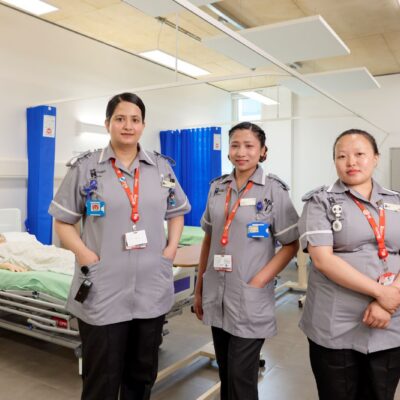
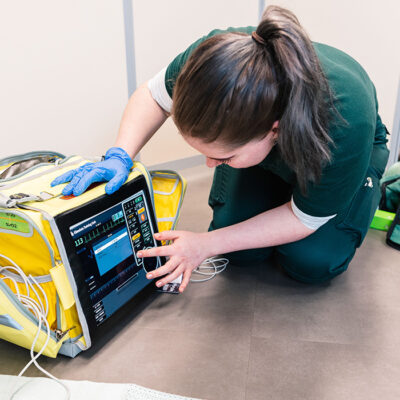
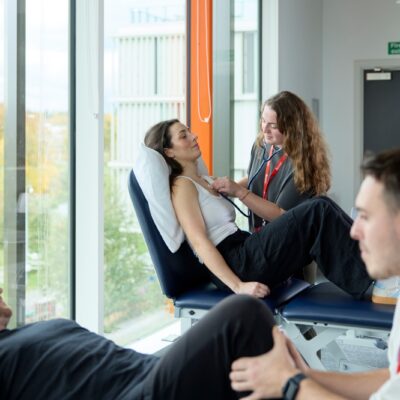
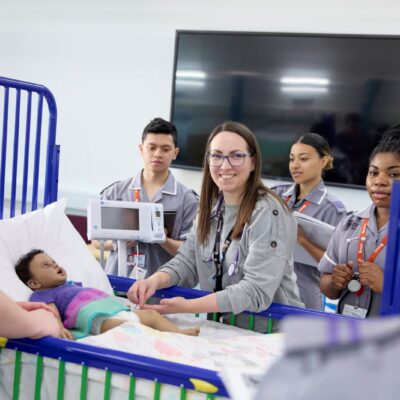
How will I practice my skills?The nursing skills lab and make-shift (currently TBC) operating theatre are used throughout degree to enhance learning in the clinical settings. The labs have a purpose-built clinical ward where students can learn and develop their clinical skills through evidence- based practice, hands on education. You will practice scenarios from Operating Theatres and from a hospital ward, in a realistic yet safe clinical environment.
What are clinical placements?Operating Department Practice BSc students are expected to study a minimum of 2,300 hours of theory and 2,110 hours of practice across three years of the course. Students during their placements will have an opportunity to work across various surgical specialities.
How will I be Assessed?Assessments will be ongoing throughout the programme and are designed to test the functional and theoretical skills required for the role, as well as different learning styles. Theoretical assessments consist of poster presentations, vlogs and VIVAs, with Practical skills being assessed by Objective Structured Clinical Examinations. Practical Assessments take place in the clinical placement area and in clinical skills facilities.
What are my career prospects?There is a national shortage of Operating Department Practice. After graduation you will be eligible to apply for a professional registration with the Health and Care Professions Council (HCPC), and be well placed to to apply for a job within NHS trust, independent hospitals, private medical sales companies, organ transplant teams and in critical care. The skills provided during the course will allow you to practice both within and outside of the Operating Theatres.
What is the selection process based on?Values Based Recruitment is an approach which attracts and selects students, trainees or employees whose individual values and behaviours align with the values of the NHS Constitution. The purpose is to ensure that the future and current NHS Workforce members are chosen not only for their skills, but also for their commitment to these values, supporting effective teamwork and the delivery of high-quality patient care.
Do I need to provide my own Scrubs or Equipment?Students may choose to purchase their own stethoscopes; however this is not essential, with all other equipment will be provided during the course. Placement areas will provide you with scrubs that should be worn during placements in theatres. The university will provide you with Surgical Scrub Hats that should be worn during placements and during clinical skills/simulations when at university. Uniform (Surgical Scrubs) will be provided for students to wear when practicing clinical skills at university, and when on non-theatre placements (e.g. Wards, outpatients, critical care). If for any reason you need replacement uniform during the course, you will need to fund the replacement uniform yourself.
Can I still apply if I have a long-term health condition or disability?Yes, you can still apply. The course and profession are open to individuals with long- term health conditions or disabilities, and support is available to help you succeed. However, it is important to consider that working as an Operating Department Practitioner is physically demanding and typically involves shift work, including nights and weekends. The role will require lifting, working in challenging environments, and responding quickly to emergencies. As part of the application process, you’ll undergo an occupational health assessment to ensure you meet the physical and emotional demands of the role, with or without reasonable adjustments.
What do I need to know about the HCPC registration after I graduate?The course is currently going through verification and once completed any gradates will be able to apply for registration. To work in the UK as an Operating Department Practitioner you must be registered with the HCPC. This registration confirms that you meet the professional standards required to practice safely and effectively. Without HCPC registration, you cannot legally work as an ODP in the UK.
What does ‘Fitness to Practice’ mean, and how does it affect me as a student or a future ODP?‘Fitness to Practice’ refers to having the skills, knowledge, health and character to carry out your professional duties safely and effectively. As a student, you’re expected to demonstrate professionalism throughout the training, especially during placements. Issues such as dishonesty, misconduct or health concerns that are unmanaged can affect your fitness to practice. If these arise, the university or the HCPC may investigate, which could affect your ability to register or continue with on the course.
What are the HCPC’s Standards of Proficiency, and how do they relate to training?The Standards of Proficiency (SOP) are a set of requirements set by the HCPC that outline what every ODP student must know, understand and is able to do, to register and practice safely. The course is designed to ensure you meet these standards by the time you graduate. The cover areas such as professional conduct, communication, risk management, clinical skills and decision making. Familiarising yourself with the SOPs will help you understand what’s expected both during your training and in your professional role. More information can be found on the HCPC website.
UON will adjust fees annually for UK (Home) Students up to the maximum allowable fee cap set by the Secretary of State for Education.
When assessing an applicant’s eligibility to pay home fees, we use the guidance provided by the UK Council for International Student Affairs (UKCISA) which sets out the regulations that have been decided by the UK Government Department of Education.
UON will adjust fees annually for UK (Home) Students up to the maximum allowable fee cap set by the Secretary of State for Education.
When assessing an applicant’s eligibility to pay home fees, we use the guidance provided by the UK Council for International Student Affairs (UKCISA) which sets out the regulations that have been decided by the UK Government Department of Education.
Potential additional costs include:

Senior Lecturer in Operating Department Practice
Operating Department Practitioners work in diverse areas of practice both inside and out of Operating Theatres, both in the UK and internationally. A broad range of jobs await including Resus Officers, Critical Care, Practice Development, Matrons and in Critical Care.
The University of Northampton’s BSc ODP course is structured to provide you with support. The final year of the course is designed to enable you to prepare for applying for your first job within the Operating Theatre or across the surgical pathway.
Master’s Opportunities
Our master’s courses are a great way to enhance the skills you have already learnt. Benefit from our 20% alumni discount on postgraduate fees.
Successful completion of the course could lead to one of our postgraduate programmes in healthcare.
At the University of Northampton, we offer a range of short courses and continuing professional development (CPD) programmes too. These will enable you to learn new skills, progress into specialisms or take on new responsibilities.
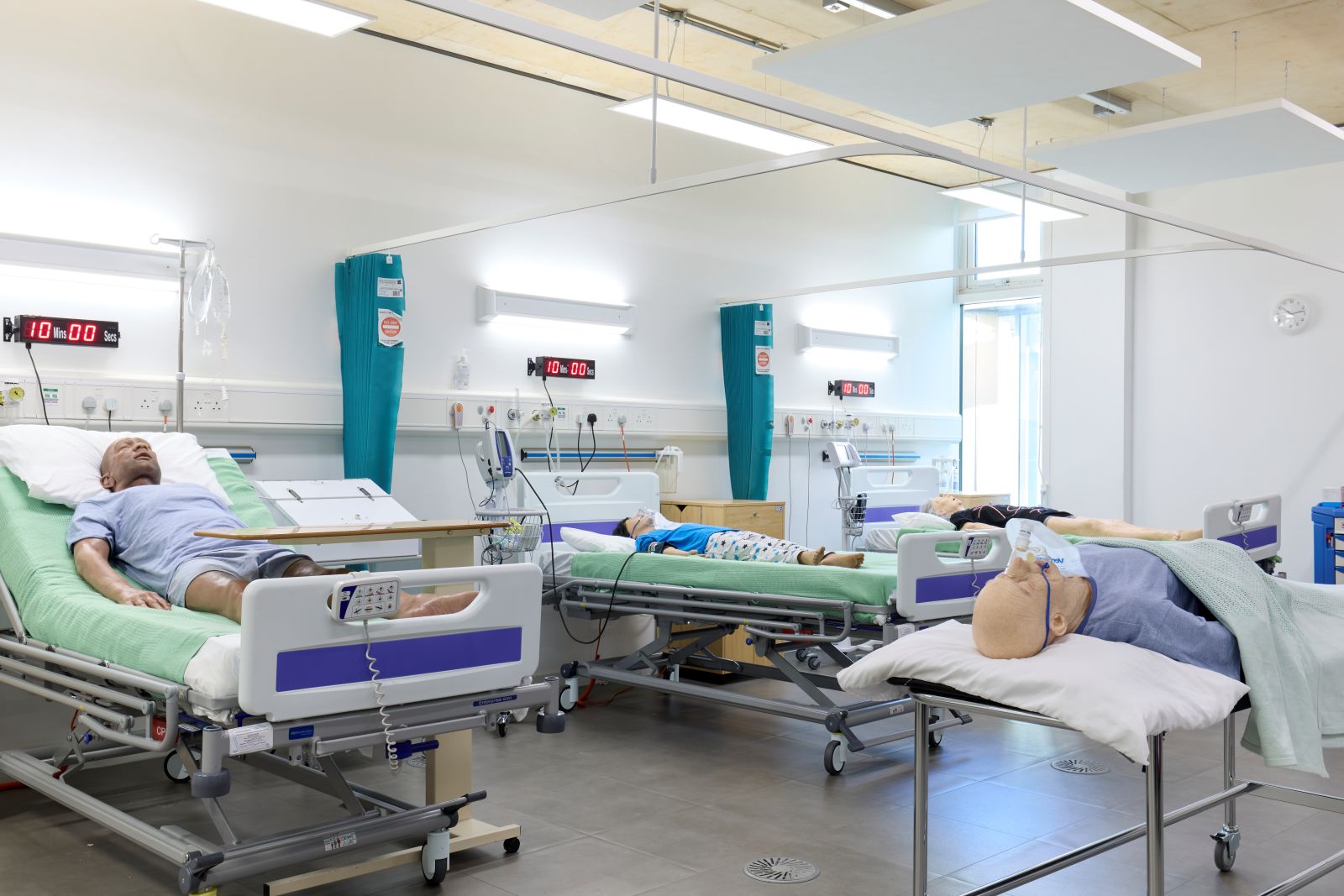
Clinical Skills Simulation Lab: A realistic, acute clinical environment with mannequins, hospital beds, medical gasses systems, clinical equipment and more.

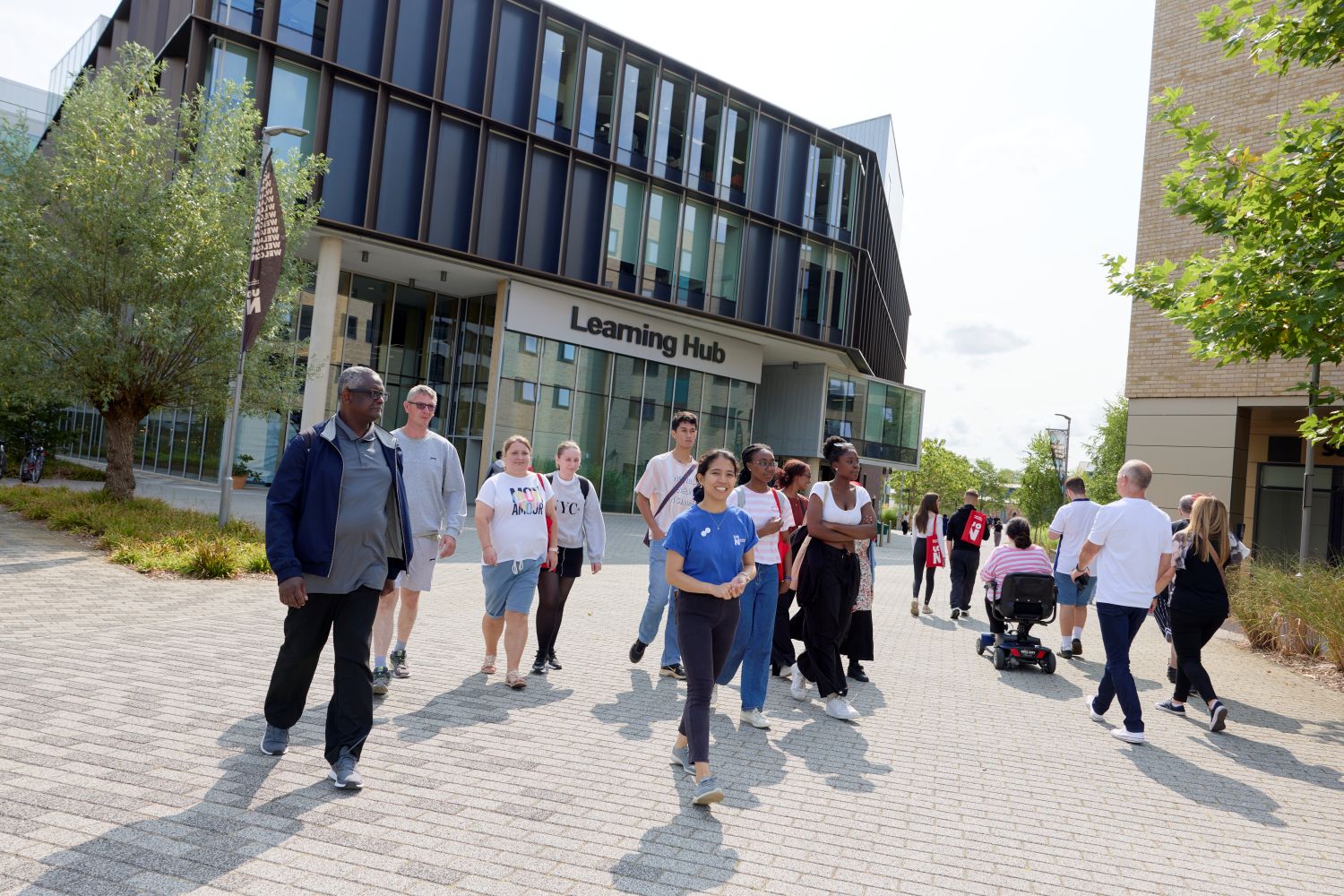
The Learning Hub is at the heart of the campus and home to the student information desk.
View Facility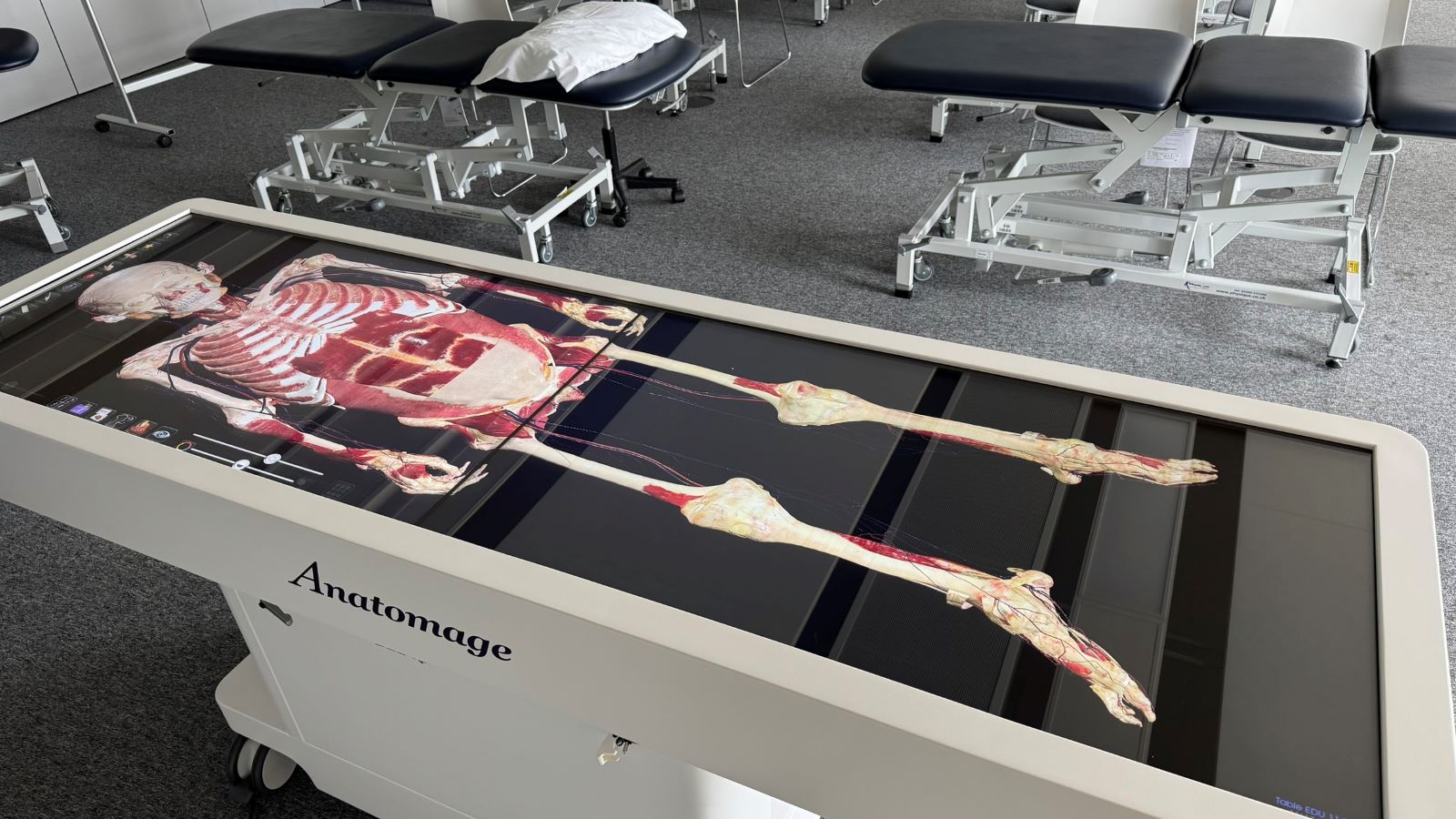
A 3D interactive digital dissection desk for students on Health Professions and Sport courses.
View Facility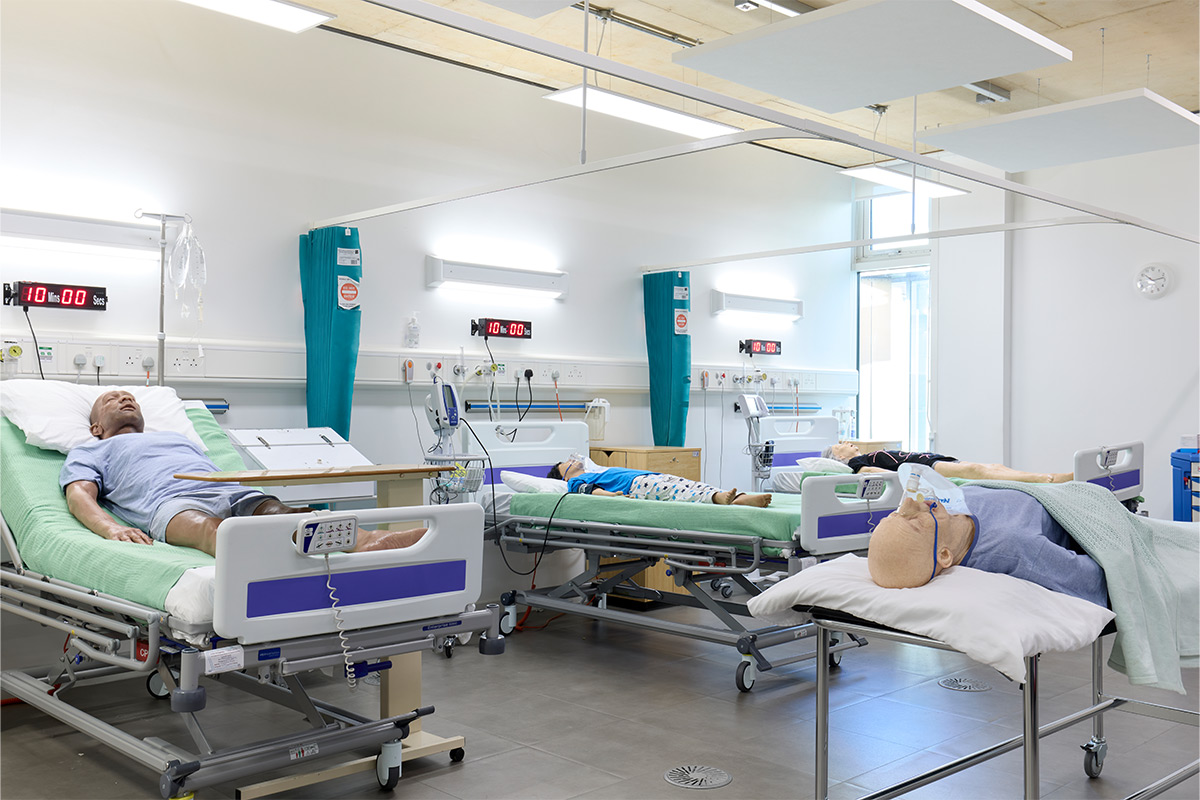
A realistic, acute clinical environment with mannequins, hospital beds, medical gases systems, clinical equipment, and more.
View Facility