Lesley-Ann Smith
Senior Lecturer in Psychology (Mental Health)
Duration
1 year full time
2 years part time
Level
Master'sPG MSc
Full Time: £8,700
Part Time: £1,450.50 per 30 credits
Full Time: £19,000
study@northampton.ac.uk
0300 303 2772
Updated 10/07/2026
The University of Northampton’s Psychology MSc degree has been specifically set up to accommodate students with a strong interest and passion for psychology and who are looking to explore the different options for careers in psychology. This psychology masters degree has also been designed for those without an undergraduate degree in psychology or a related field but who still have a strong foundational understanding and wish to gain the knowledge and skills fit for employability.
On this Masters in Psychology, you will be taught by academics from the Division of Psychology with a wide ranging area of research expertise, engaging you with a diverse array of perspectives. The programme will equip you with key theoretical perspectives and practical knowledge within some of the core areas of psychology.
This masters degree in psychology programme offers students a psychology programme accredited by the British Psychological Society to broaden their knowledge and understanding of psychology. Successful completion of the MSc Psychology (Conversion) programme confers students with Graduate Basis for Chartered Membership (GBC) with the British Psychological Society. This programme is therefore not normally appropriate for students who already hold GBC status.
As a student on this MSc Psychology Degree, you will be offered automatic British Psychological Society student membership. This membership will give you access to careers advice and guidance, events’ opportunities, knowledge exchange platforms, research insights and access to the latest developments within the discipline.
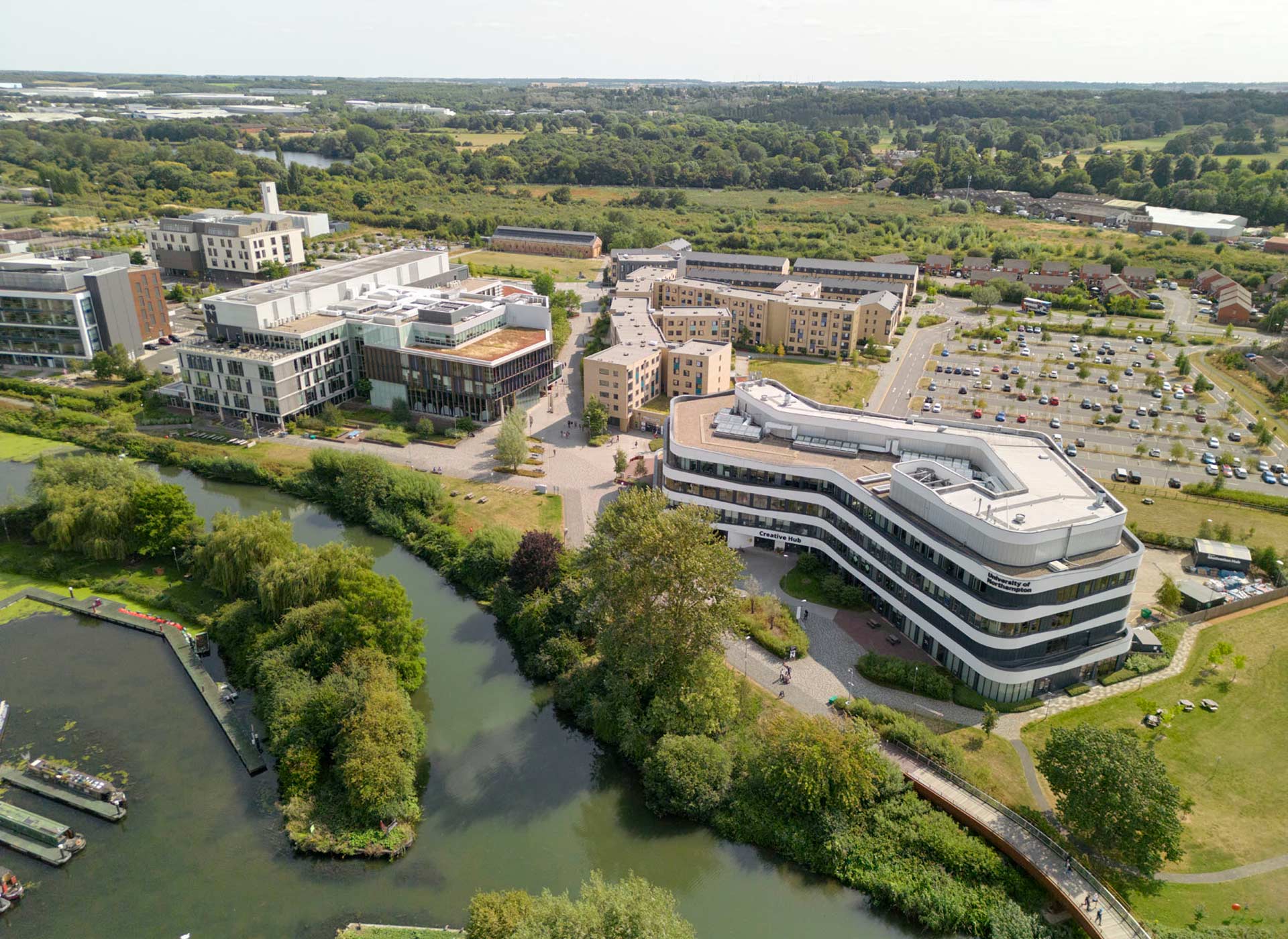
Waterside campus has everything students needs from: Learning Hub featuring 24/7 library, Creative Hub, on-site shop, restaurant, cafes and food outlets, multi-faith chaplaincy, student village hall, Students' Union and more. With only a short walk over the bridge into the town centre.
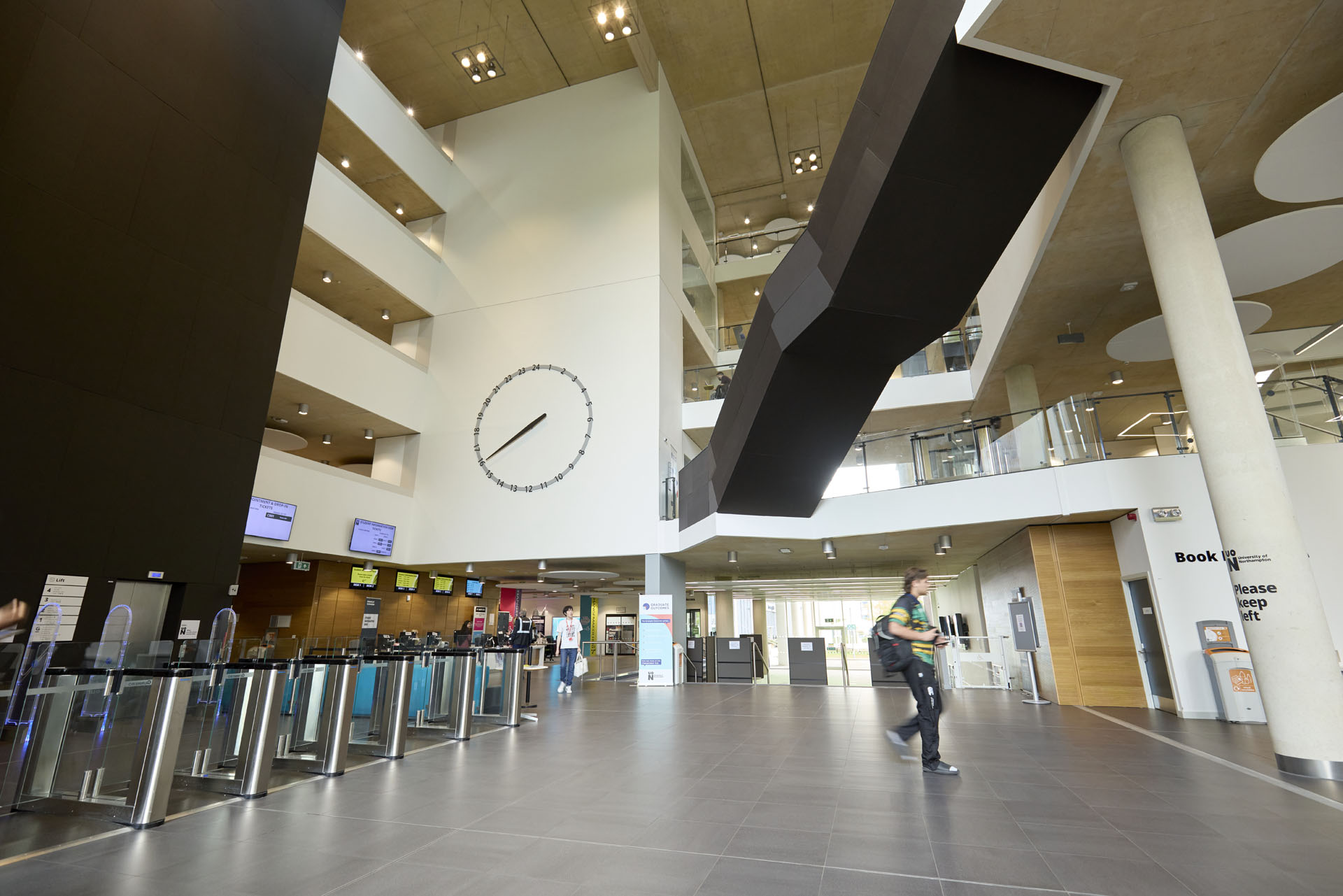
The Learning Hub and Student Information Desk would be a student's first point of call when needing support.
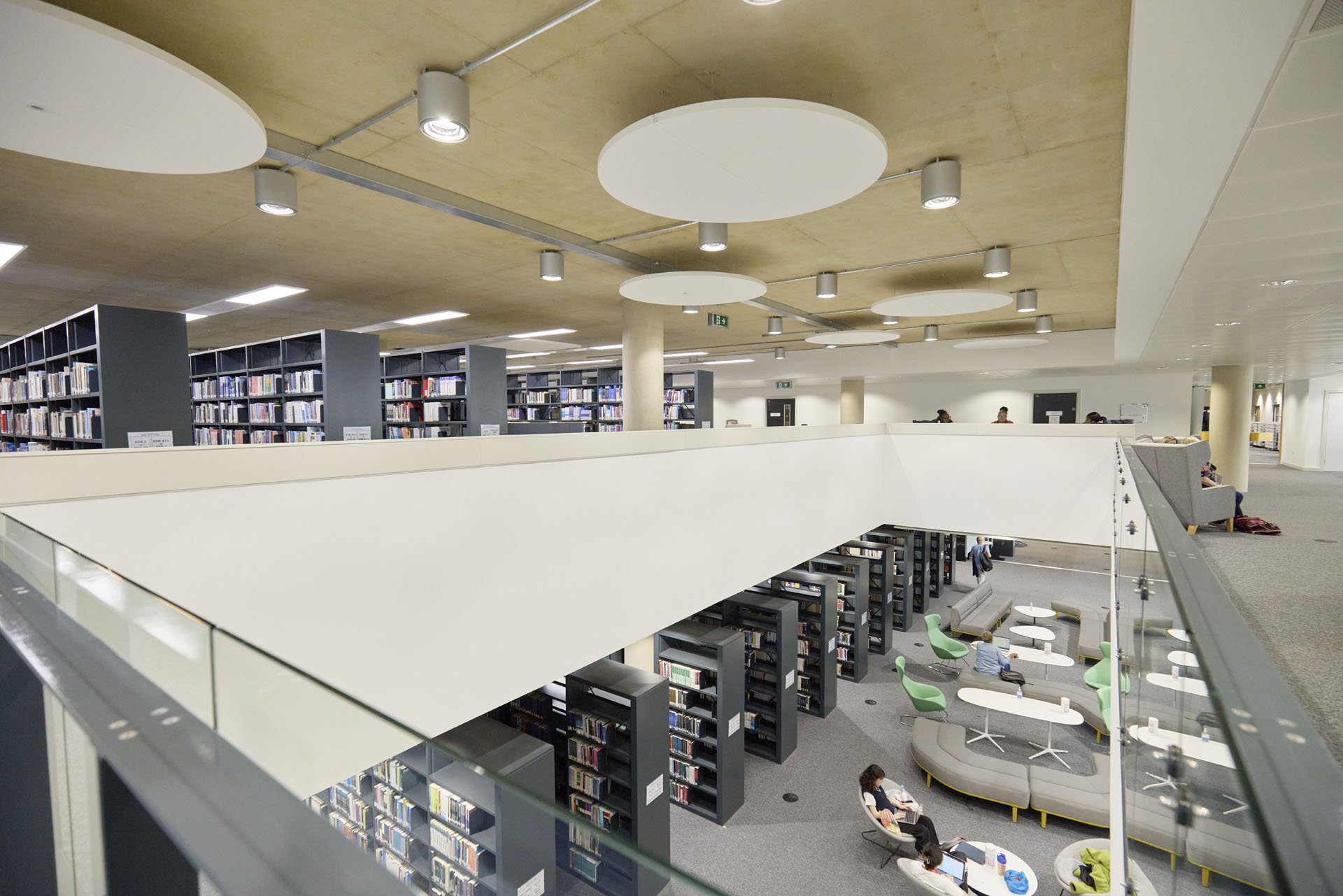
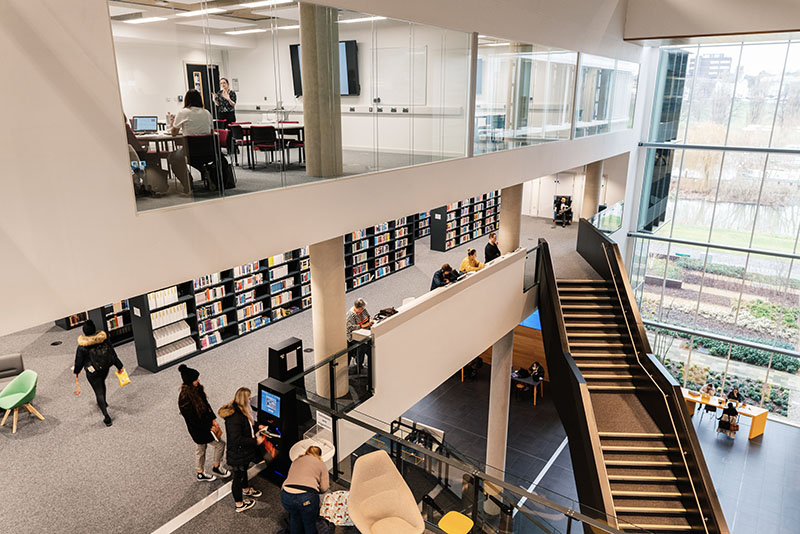
Our library covers three floors of the Learning Hub, with IT rich learning environments, including silent and group study spaces, physical books. Don't forget there are plenty more resources available online!
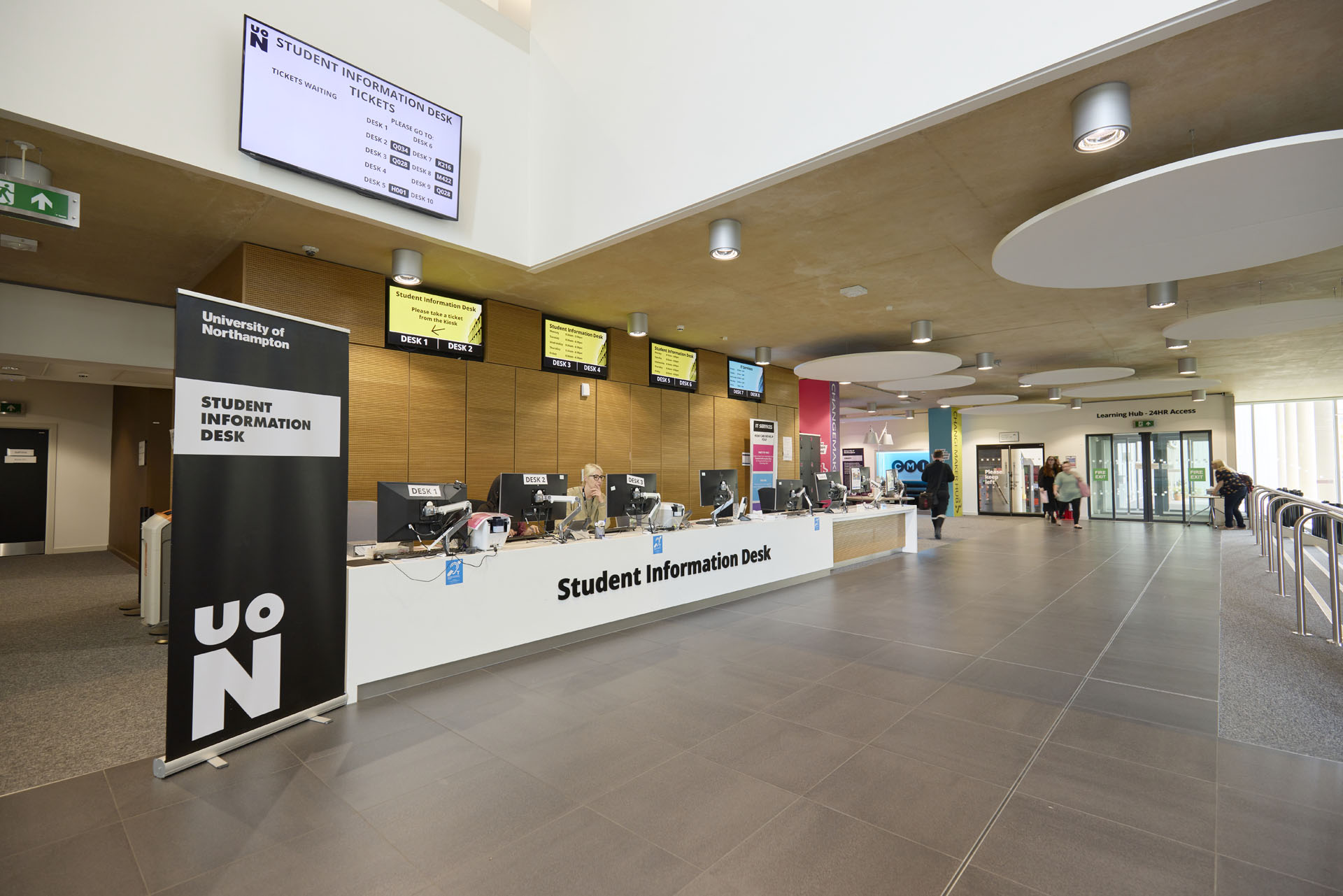
The Student Information Desk is the first place a student should go if they need any help. Here the team can direct you to academic support, mental health support, financial support, IT support, and more.
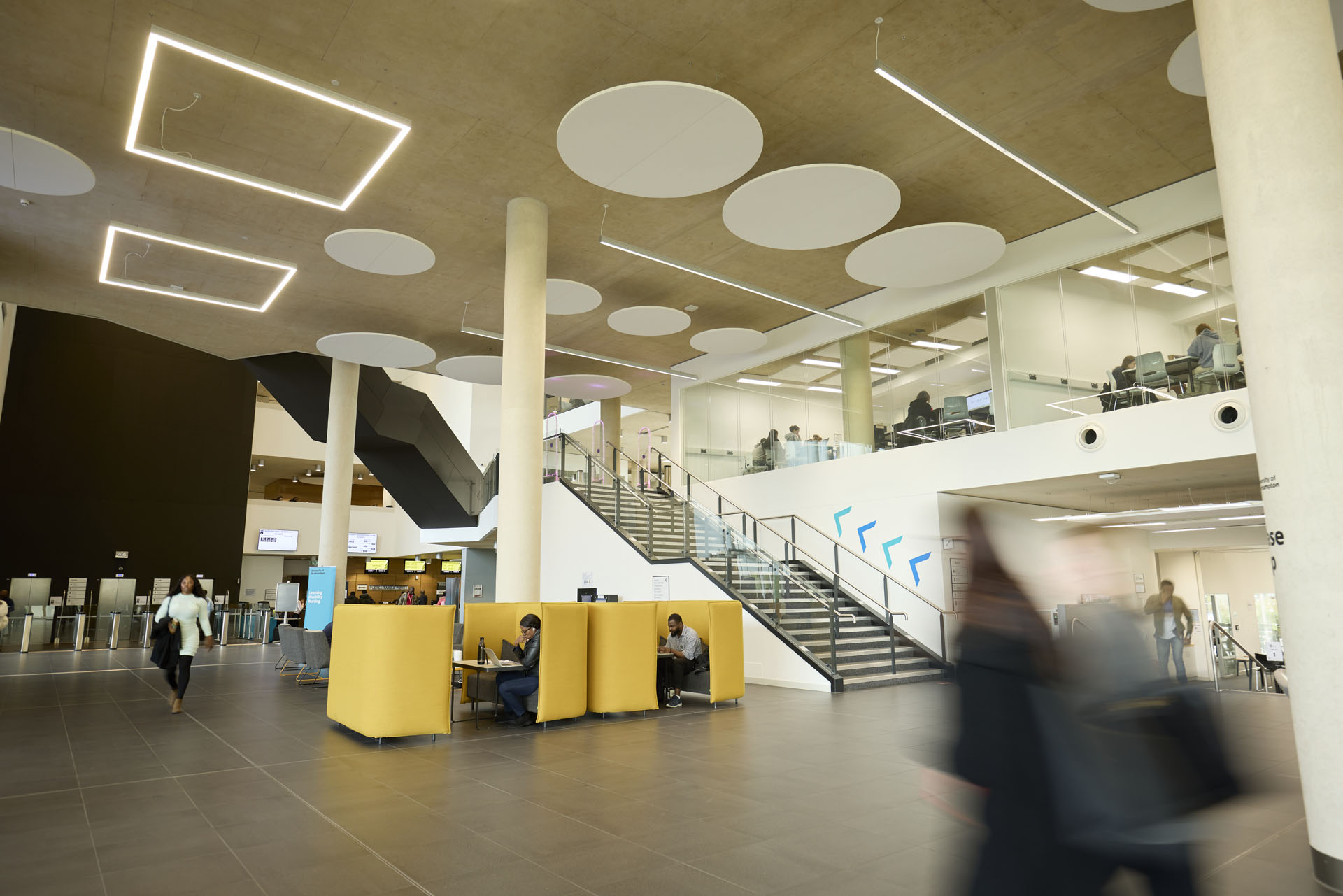
The Learning Hub is where every student will go for library support and classes, as well as food outlets and social events.
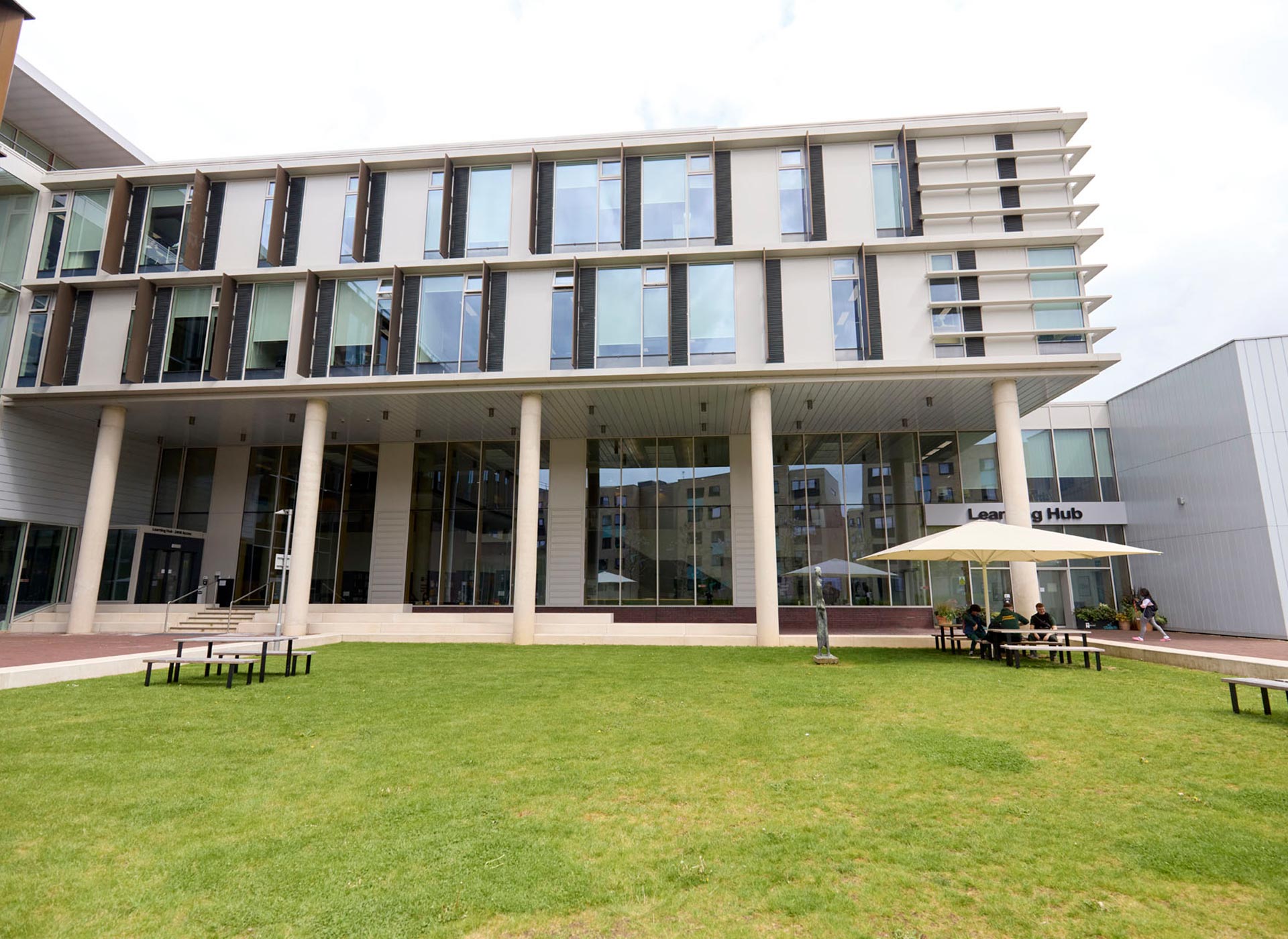
The Learning Hub also has lots of outdoor space for meeting with friends or finding some silent time between classes.
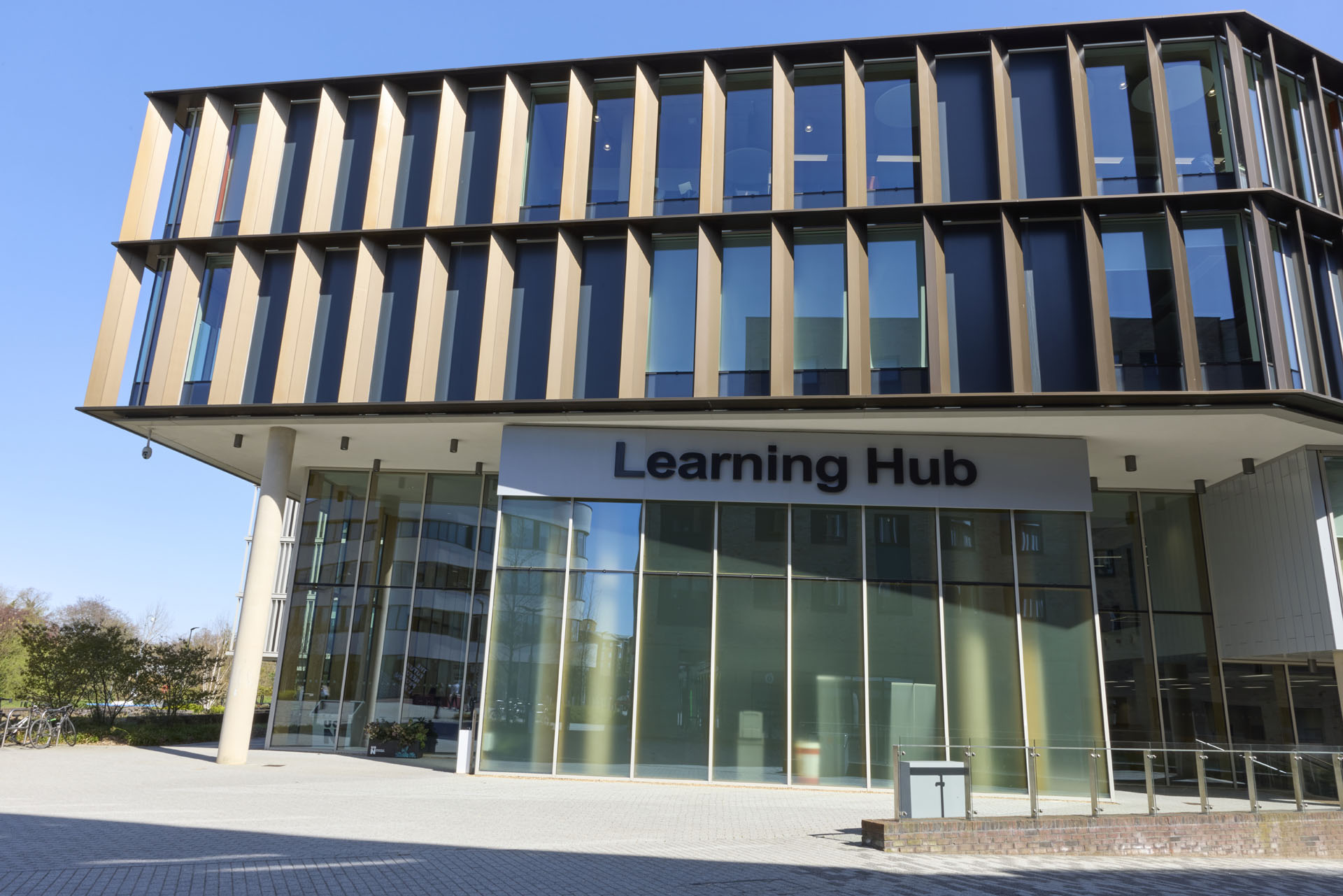
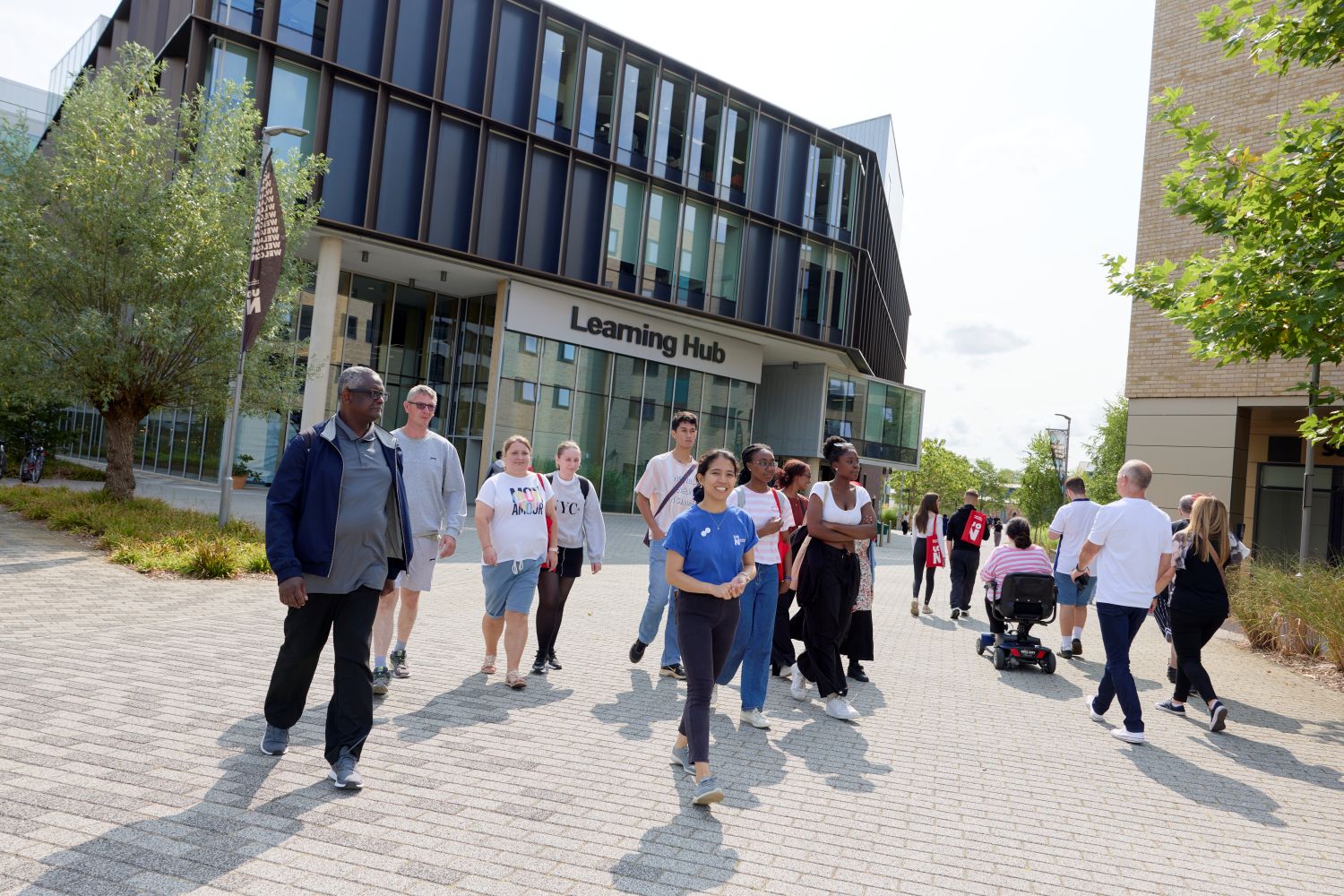
The Learning Hub is the biggest building on campus, home to our Student Information Desk, 24/7 library, teaching spaces, cafes, and more.
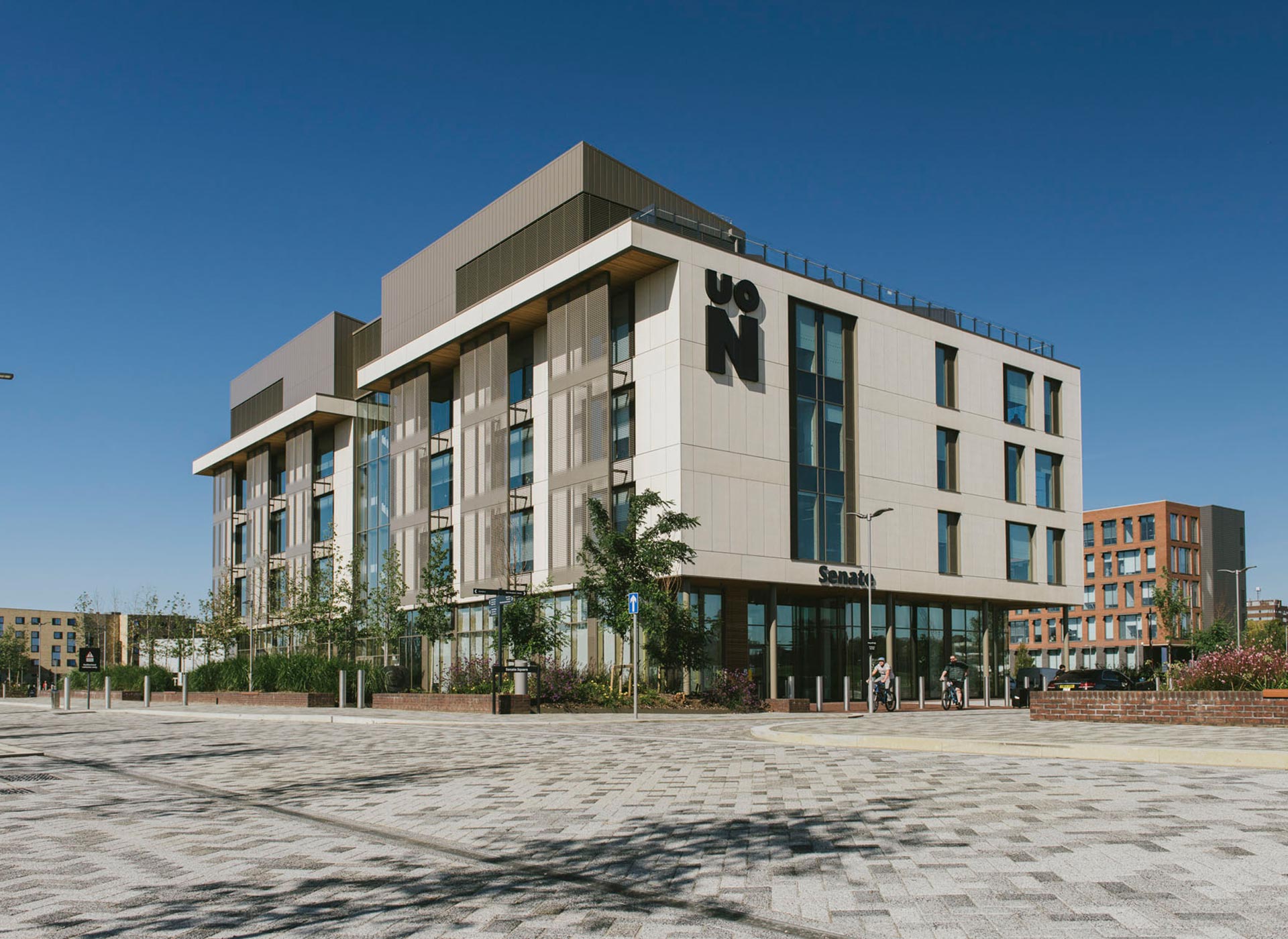
The big and spacious modern Senate building has various types of learning spaces, teaching rooms, our Bloomberg suite, Morley Room lecture hall, and cafes.
To be considered for this MSc psychology conversion course you must hold a GCSE grade C/4 in Mathematics (domestic equivalencies are not accepted) or an agreed internationally recognised equivalent qualification and you will be required to meet at least one of the below requirements in addition to all mandatory requirements:
Mandatory requirements:
You will be required to provide a copy of your GCSE Mathematics certificate at Grade C/4 or above, domestic equivalencies are not accepted (or evidence of your internationally recognised equivalent).
You will be required to apply for a DBS check before being permitted to engage in the dissertation research project if necessary. DBS checks may also be required if you wish to engage in Changemaker and/or STEAM events.
A personal statement demonstrating self-awareness, self-reflection, sensitivity to issues of difference and equality as well as commitment to anti-oppressive practice will be required.
All offers of a place on the MSc in psychology programme are subject to a successful interview by the University of Northampton.
For more information on how to make an application please visit our How to Apply page.
All International and EU students applying for a masters psychology course with us must meet the following minimum English language requirements.
For information regarding English language requirements at the University, please see our IELTS page.
Open Days give you the best experience and insight to courses, people and facilities that interest you. Make your choice easier and come meet us.
Book NowThis MSc in psychology has been designed to contribute towards achieving the following United Nations Sustainable Development Goal: SDG3 Good Health and Wellbeing.
Our MSc Psychology conversion course is designed to equip you with key theoretical perspectives and practical knowledge within some of the core areas of psychology at a Masters level.
You will study from a core curriculum within some of the key areas within psychology, through a range of modules which allow you to develop further capabilities already achieved through studying at undergraduate level such as undertaking independent research projects. The core curriculum will also provide you with a sound knowledge of theoretical, professional and policy issues in psychology.
To further assist with your employability portfolio, we have a two-hour career event embedded as part of your curriculum. This event will be held in the second trimester and will be part of the PSYM081 (Applied and Critical Social Psychology) module workshops. Attendance at this event is mandatory.
This module enables a critical analysis of developmental issues across the lifespan with specific reference to the inter-relationship between the processes of development, and the context within which people grow, change and develop. Building on their knowledge of the developmental processes and mechanisms operating in childhood and adolescence, students will develop a critical understanding of the intersections of biological, psychological and social factors in development through the lifespan, and will develop a detailed understanding of transition and change, informed by a critical engagement with developmental research and theory.
Cognitive and Biological Psychology and Neuroscience share a common interest in the workings of the brain but vary in topics of interest and in some aspects of methodology. This module will explore different approaches to studying the brain as well as philosophical questions concerning the mind and human consciousness.
The purpose of this module is ¿
To build on basic research methods skills from modules PSYM085 or PSYM102. The module is designed to develop advanced research skills enabling students to autonomously formulate and conduct an empirical research project in a field relevant to individual masters programs under supervision.
This module will develop students’ knowledge and critical understanding of various key theoretical perspectives in the areas of individual differences and personality. Practical applications relating to these areas will also be applied to real world settings.
The aim of this module is to provide students with a thorough grounding in the historical development of psychology and in conceptual and philosophical questions pertinent to psychology, such as the nature of science, the role of ethics, the relationship between psychology and society, and the ‘problem’ of consciousness.
The rationale for the module is to build research skills and research practices in quantitative and qualitative research methods. This module is designed develop the skills needed for independent research, and to design a proposal for an empirical research project.
Please note the modules shown here relate to the academic year 26/27. The modules relating to the academic year 27/28 will be available from June 2027.
On successful completion*, a Master of Science in Psychology will teach you all the knowledge, discipline and skills you need to work in a wide range of different fields. These can include roles such as a Clinical, Educational, Counselling, Forensic, Health or Occupational psychologist. Your degree will also equip you for related practices, such as coaching, counselling and research/analytics.
What is an MSc in psychology?When you successfully complete a psychology masters degree in psychology programme, you will receive a Master of Science (MSc) degree, which tends to be focused on the sciences and research methods than the humanities and arts aspects of the field of psychology.
* In order to be eligible for the GBC, students must pass the empirical psychology project (dissertation), and gain at least a Lower Second Class Honours degree, or its equivalent (i.e. an overall pass mark of at least 50 per cent for conversion programmes).
Can I study Psychology MSc on a part-time basis?The postgraduate psychology course is available full time or part-time. The part-time option is two years with the dissertation being submitted in January following the two years of the study. However, if you wish, and with the agreement of your supervisor, you can submit the dissertation in October of the final year of study. The psychology degree masters is flexible, and offers you choices within their programmes in accordance with personal and professional requirements. This includes a variety of modes of study and attendance through which awards can be gained.
2026/27 Tuition Fees
Fees quoted relate to study in the Academic Year 26/27 only and may be subject to inflationary increases in future years.
When assessing an applicant’s eligibility to pay home fees, we use the guidance provided by the UK Council for International Student Affairs (UKCISA) which sets out the regulations that have been decided by the UK Government Department of Education.
Tuition fees quoted for International Students apply only to the 2026/27 academic year. These fees may increase in future years in line with Consumer Price Index (CPI) inflation to reflect rising delivery costs. Any annual increase will be capped at a maximum of 5% of the previous year’s tuition fee. Updated tuition fees will be published on the UON website at least three months before the start of the next academic year.
If you are starting a postgraduate Master’s course in 26/27, you may be able to apply for a Master’s loan Student Finance England.
There are no additional costs for this MSc in psychology course for students beginning their studies in September 2026. Should this change, applicants and students will be contacted by the university with details of the costs.
For information on the scholarships available to you, please see our scholarships page.
For more information about possible funding options, please visit our Fees and Funding pages.
Fees quoted for this masters psychology degree relate to study in the Academic Year 25/26 only and may be subject to inflationary increases in future years.

Senior Lecturer in Psychology (Mental Health)

Associate Professor in Psychology
Successful completion of the MSc psychology conversion course is a recognised pathway into careers within the areas of psychological professional practice and for undertaking further academic qualifications in Psychology, i.e. PhD, Professional Doctorates.
In addition, the research skills/core modules are beneficial for student careers within both public sector and private sector organisations. Psychology masters students can progress into teaching Psychology at Secondary Institutions/Further Education Institutions (please note additional teaching qualifications may be necessary).
To further assist with your employability portfolio we have a two-hour career event embedded as part of your curriculum. This event will be held in the second trimester and will be part of the PSYM081 (Applied and Critical Social Psychology) module workshops. Attendance at this event is mandatory.
If you’d like to see more of our Waterside campus, come and join us for a campus tour.
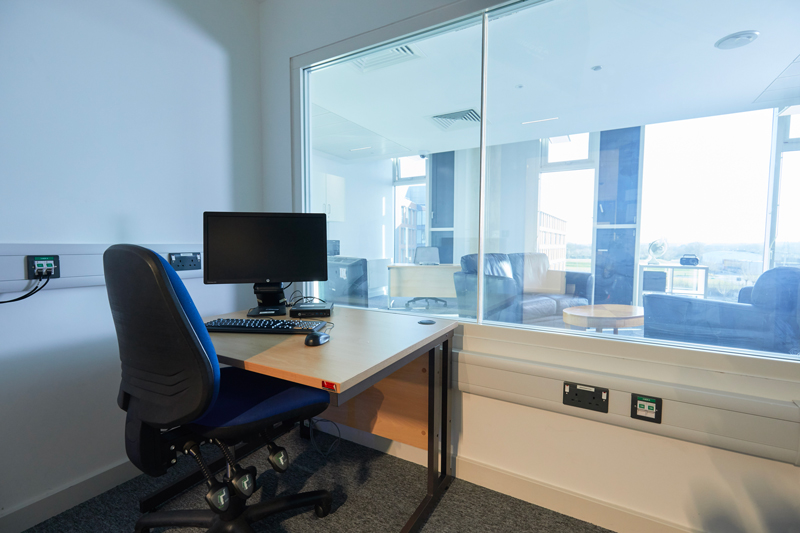
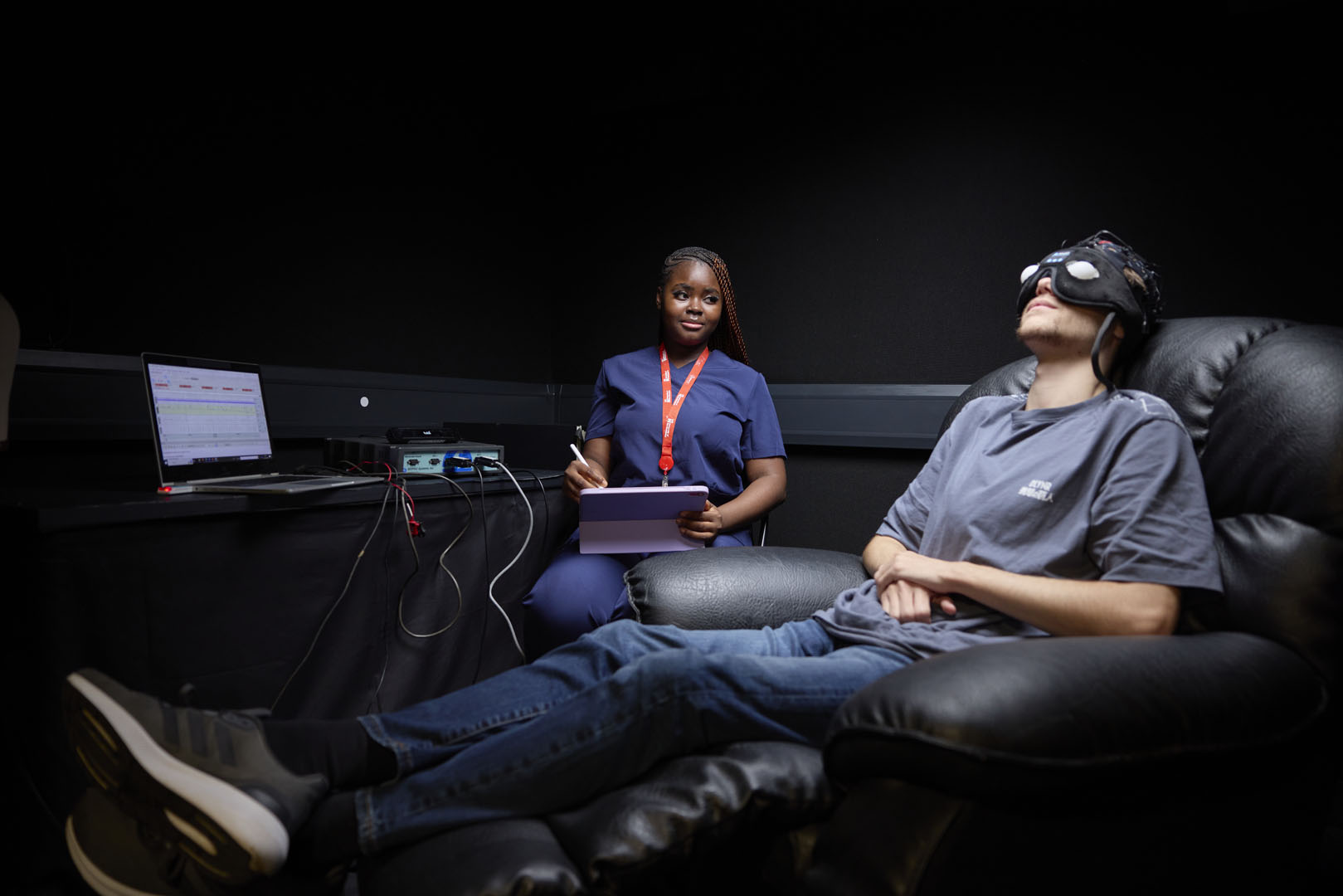
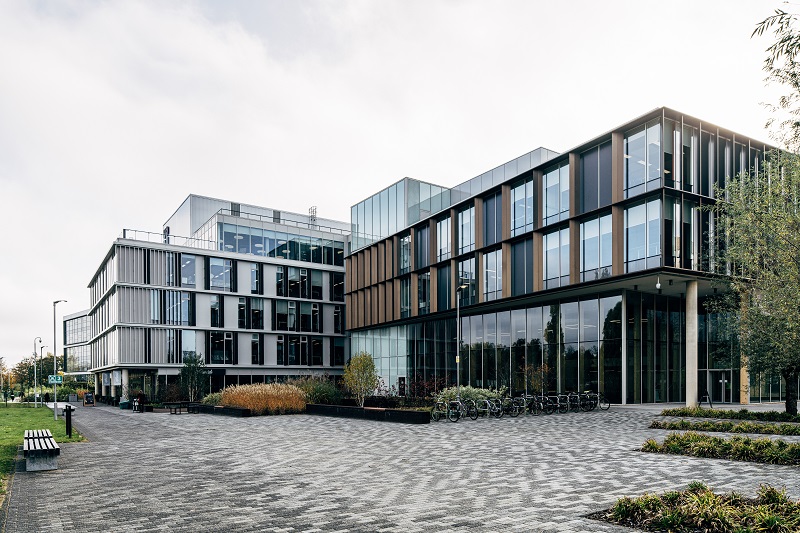
The Learning Hub is at the heart of the campus and home to the student information desk.
View Facility