

Tereza Aidonopoulou
Senior Lecturer in Education (SEN and Inclusion)
To ensure we guide you through the correct application process, we just need you to answer a few quick questions.
Already applied?
Log in to view updates.
This course offers two separate application routes, depending on whether the application is submitted by the student or an international agent.
Please select your desired length of study from the available options.
This course includes a placement option. Please indicate whether you’d like to apply with or without a placement.
Please select where you would like to study.
All the available academic years are displayed below.
All the available start months for the selected academic year are listed below.
Please review the information below carefully before continuing.
If you need to make any changes, click the < Back button to return to the previous step.

Duration
1 year full time
2 years part time
Level
Master'sPG MA
Full Time: £8,700
Part Time: £4,351.50 per 90 credits
Full Time: £19,000
study@northampton.ac.uk
0300 303 2772
Updated 20/03/2026
The MA Special Educational Needs and Inclusion programme is for those wishing to deepen their knowledge, practice and professional skills in the fields of Special Educational Needs, Disability and Inclusion. The SEN masters programme equips you with skills for application in various professional contexts. The rich curriculum is a strength of our programme; content draws upon the most recent evidenced-based practices and policies for inclusion and issues of debate nationally and internationally.
The Masters in Special Education is made up of modules which help you to critically reflect on debates relating to inclusive practice in a variety of settings and contexts. You will be able to choose from a selection of optional modules so you can study what interests you most.
We also offer this special needs education masters with our overseas partner in Thailand at Village International Education Centre, Bangkok, Thailand.
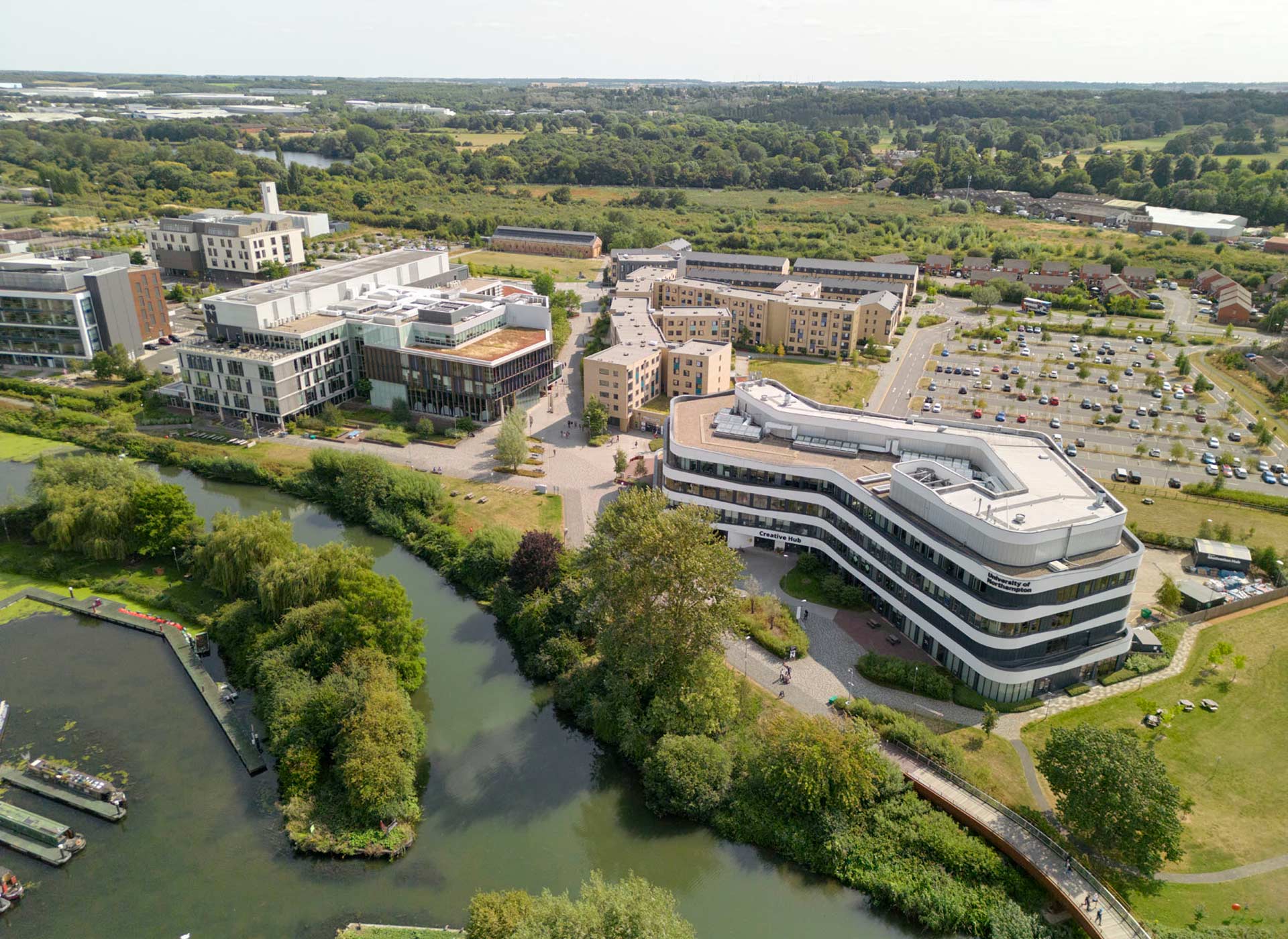
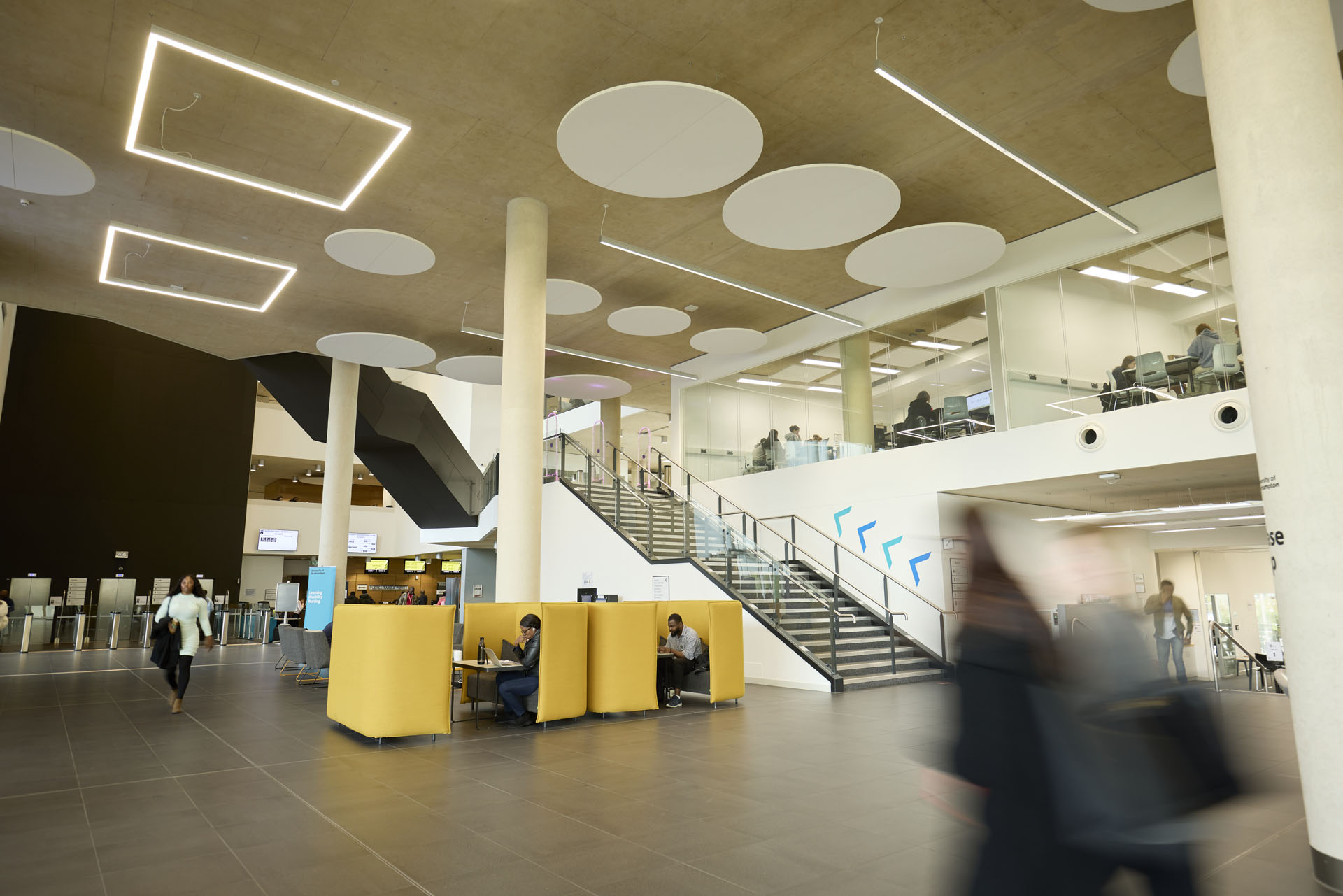
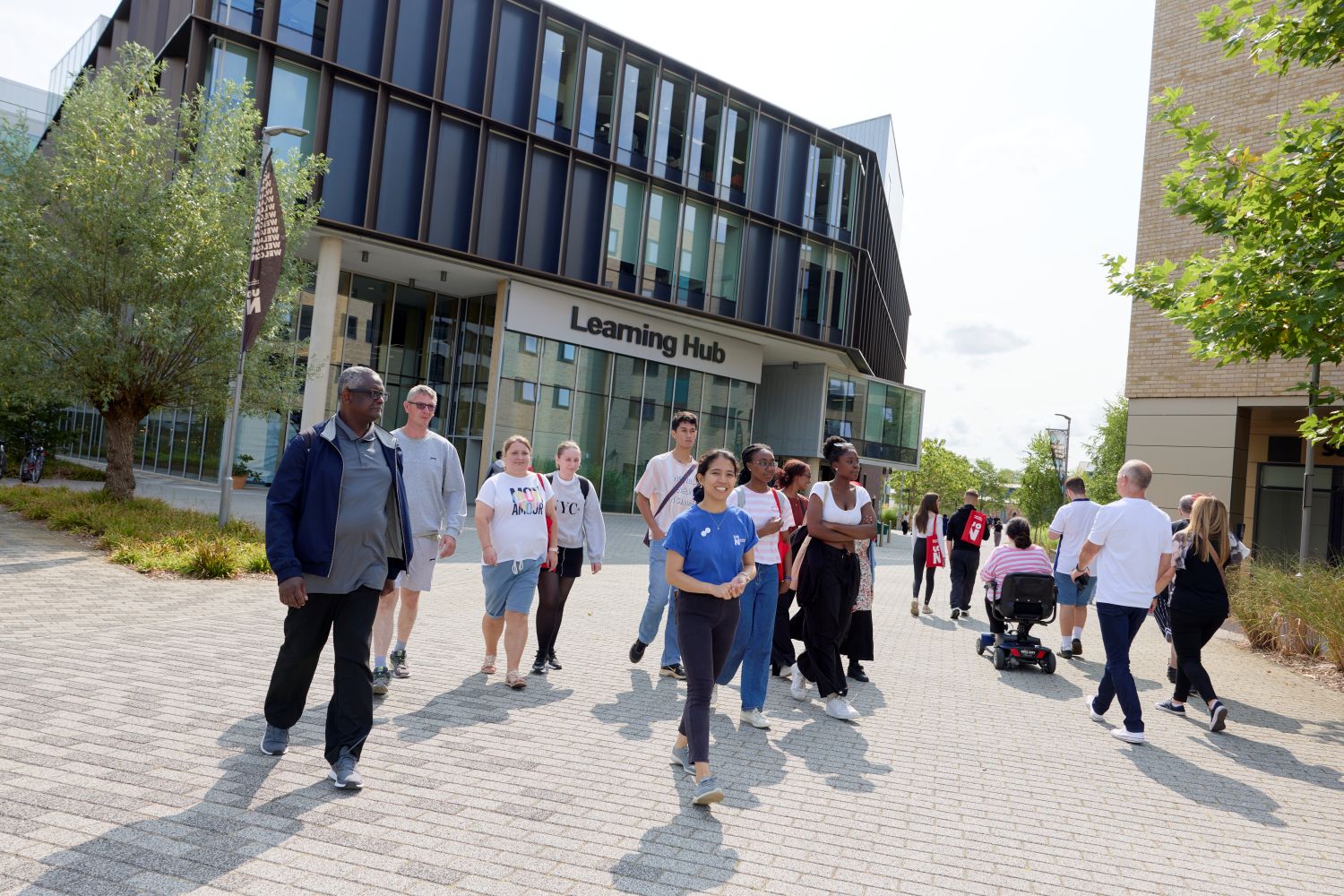
Waterside campus has everything students needs from: Learning Hub featuring 24/7 library, Creative Hub, on-site shop, restaurant, cafes and food outlets, multi-faith chaplaincy, student village hall, Students' Union and more. With only a short walk over the bridge into the town centre.
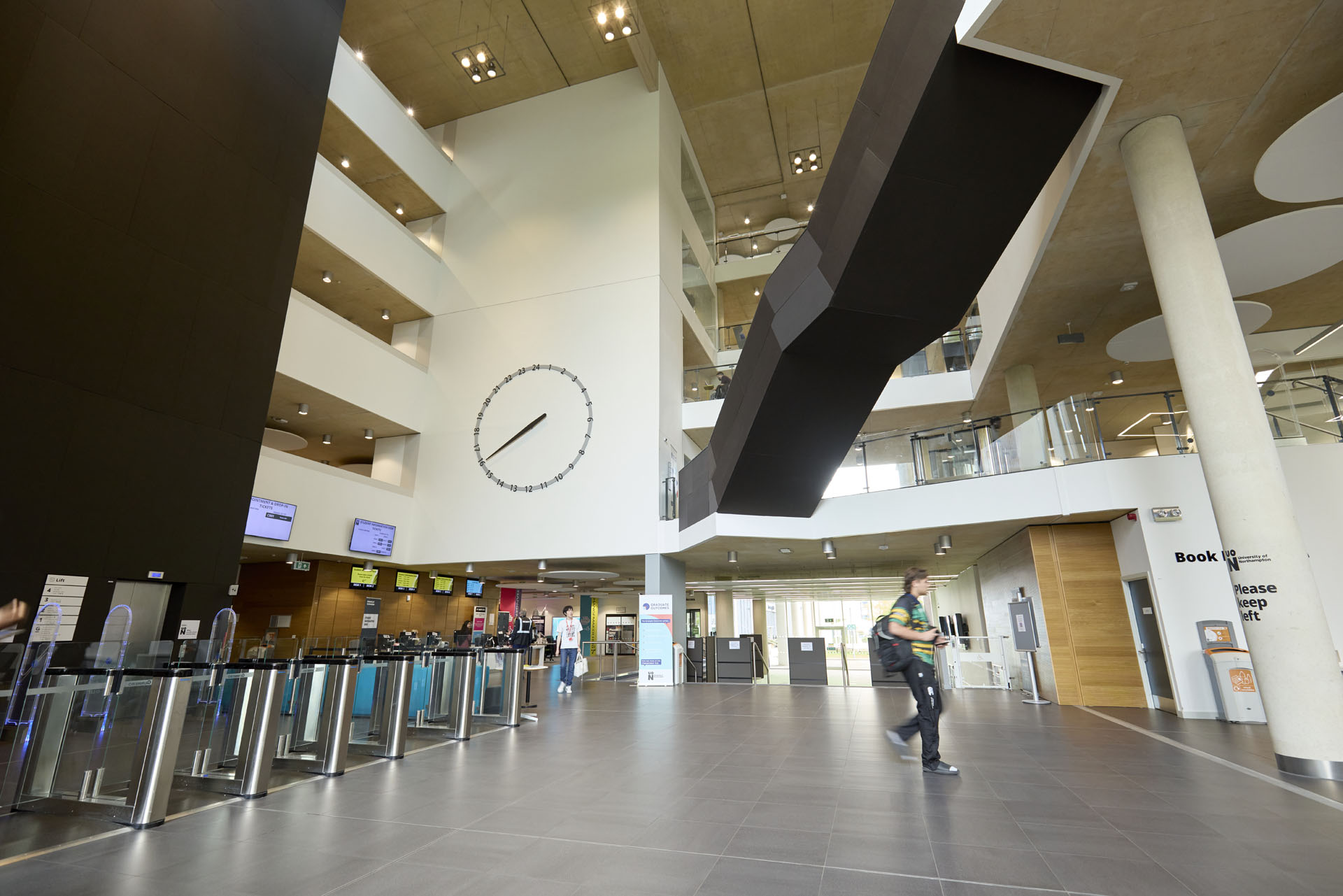
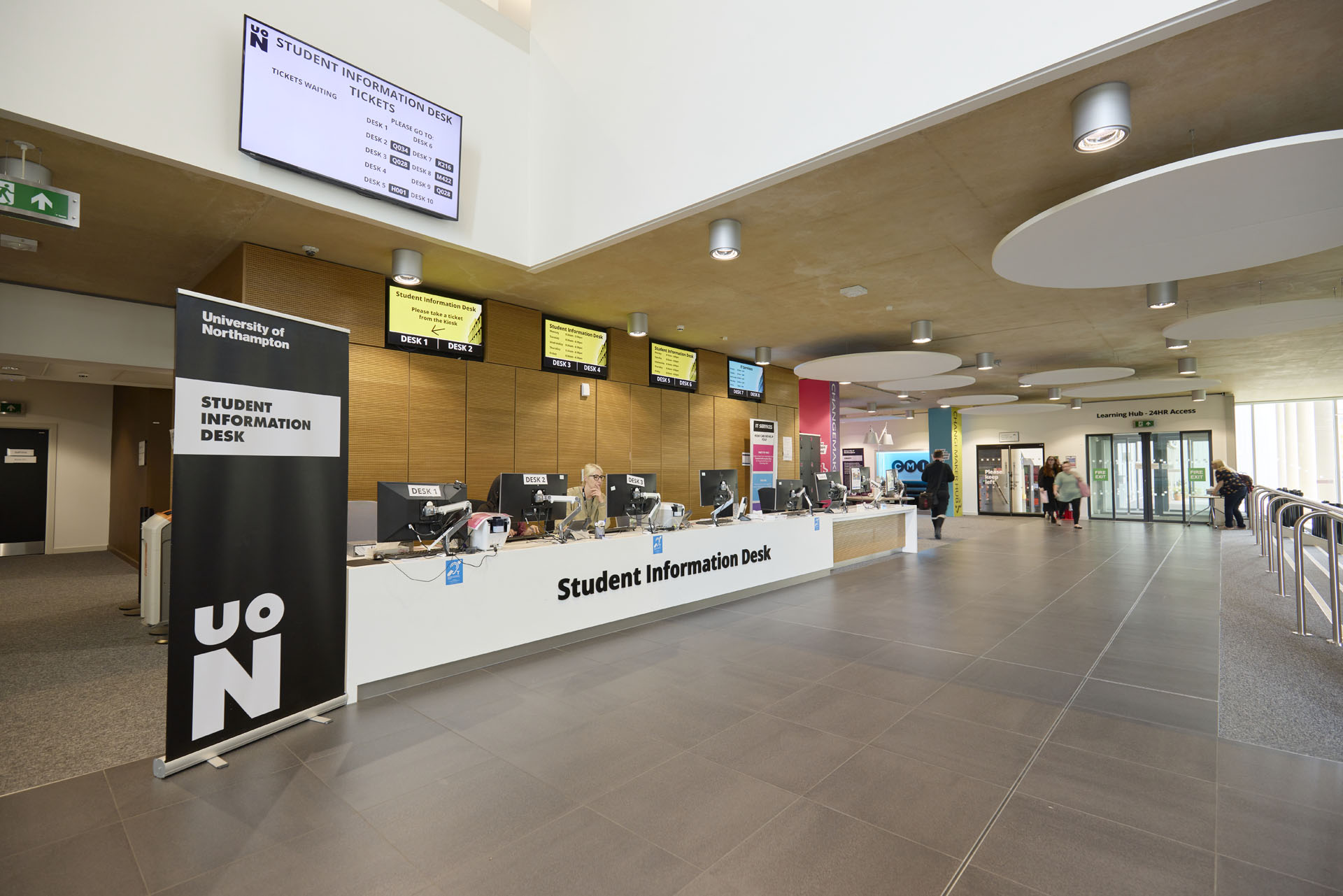
The Learning Hub and Student Information Desk would be a student's first point of call when needing support.
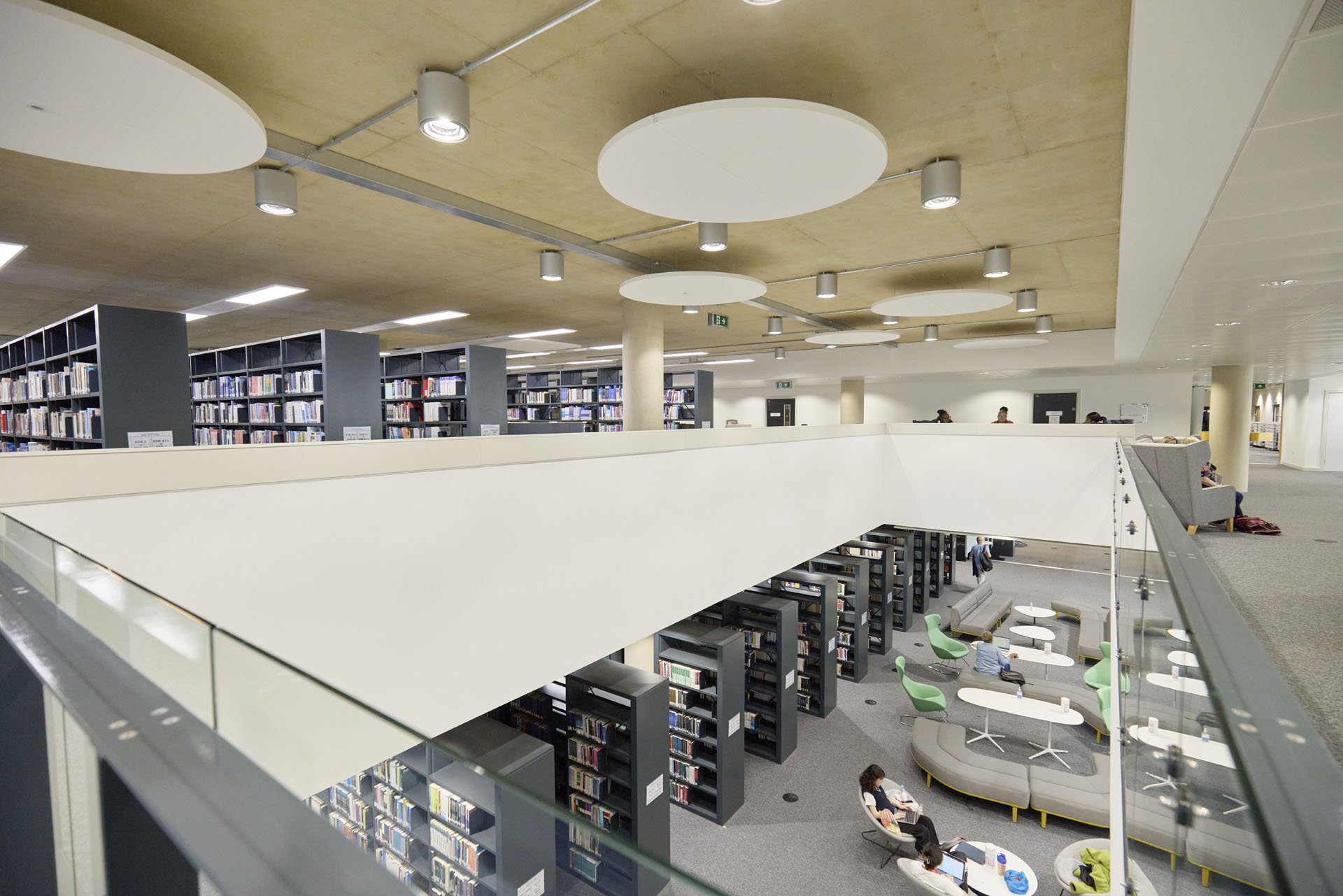
Our library covers three floors of the Learning Hub, with IT rich learning environments, including silent and group study spaces, physical books. Don't forget there are plenty more resources available online!
The Student Information Desk is the first place a student should go if they need any help. Here the team can direct you to academic support, mental health support, financial support, IT support, and more.
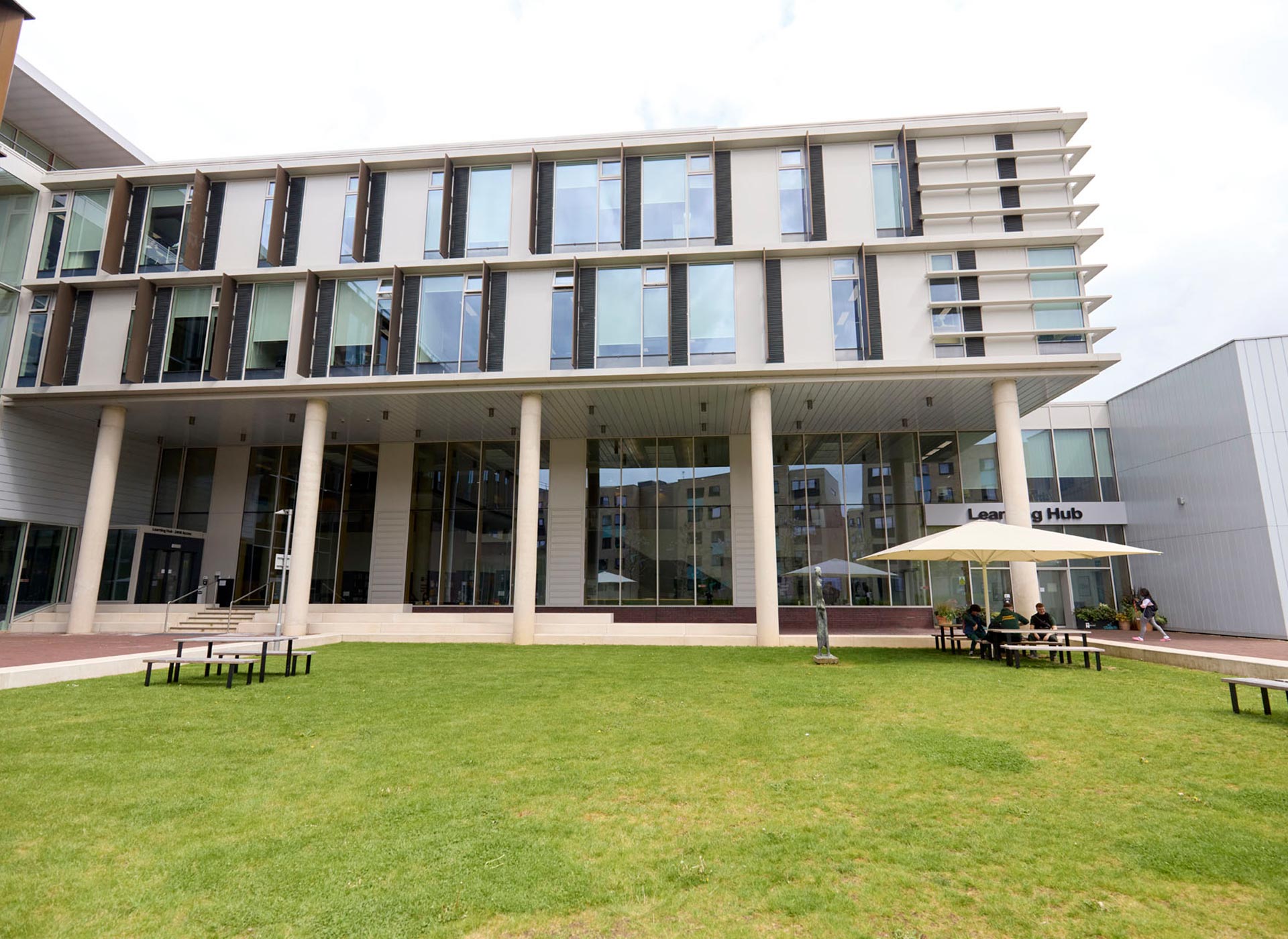
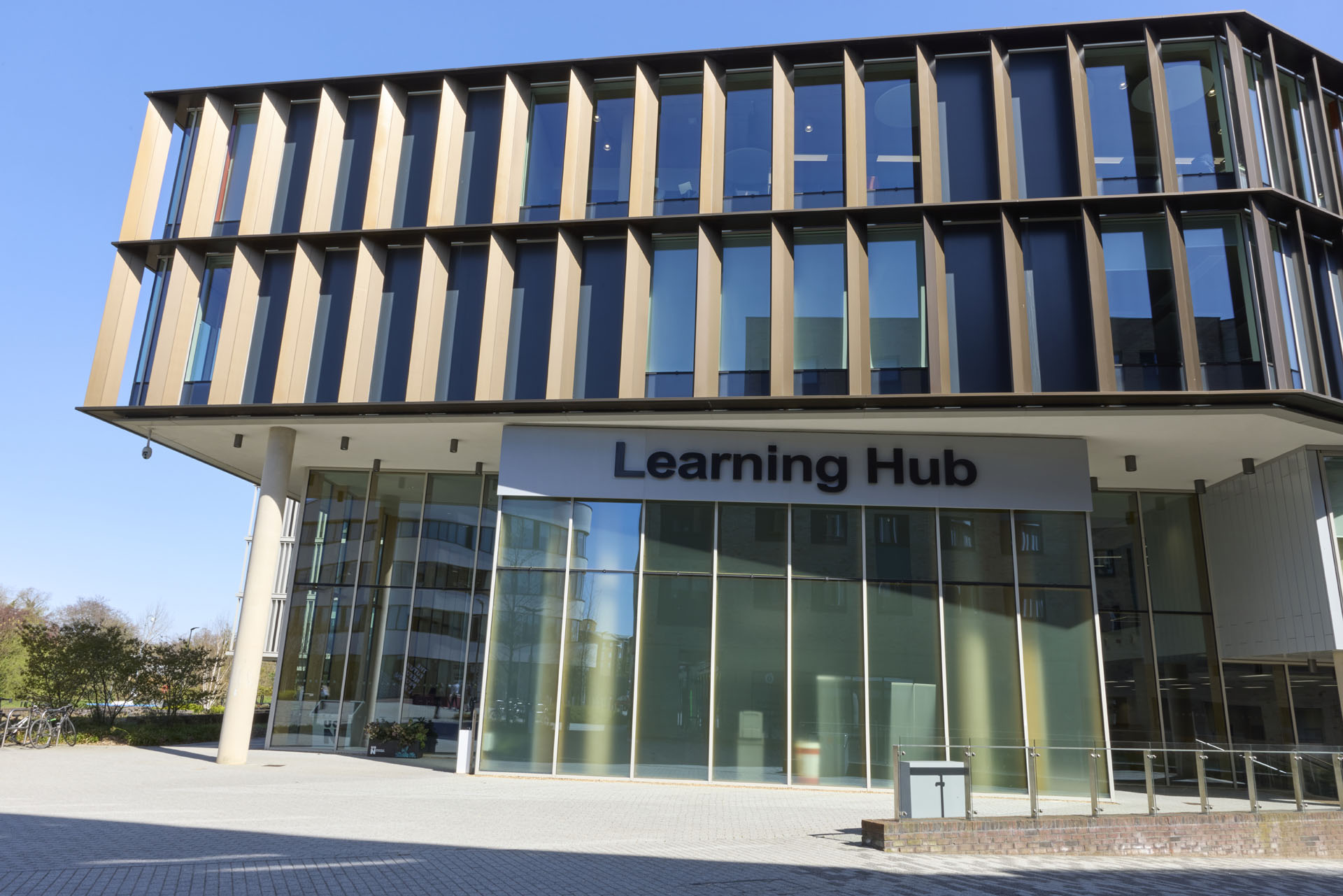
The Learning Hub is where every student will go for library support and classes, as well as food outlets and social events.
The Learning Hub also has lots of outdoor space for meeting with friends or finding some silent time between classes.
The Learning Hub is the biggest building on campus, home to our Student Information Desk, 24/7 library, teaching spaces, cafes, and more.
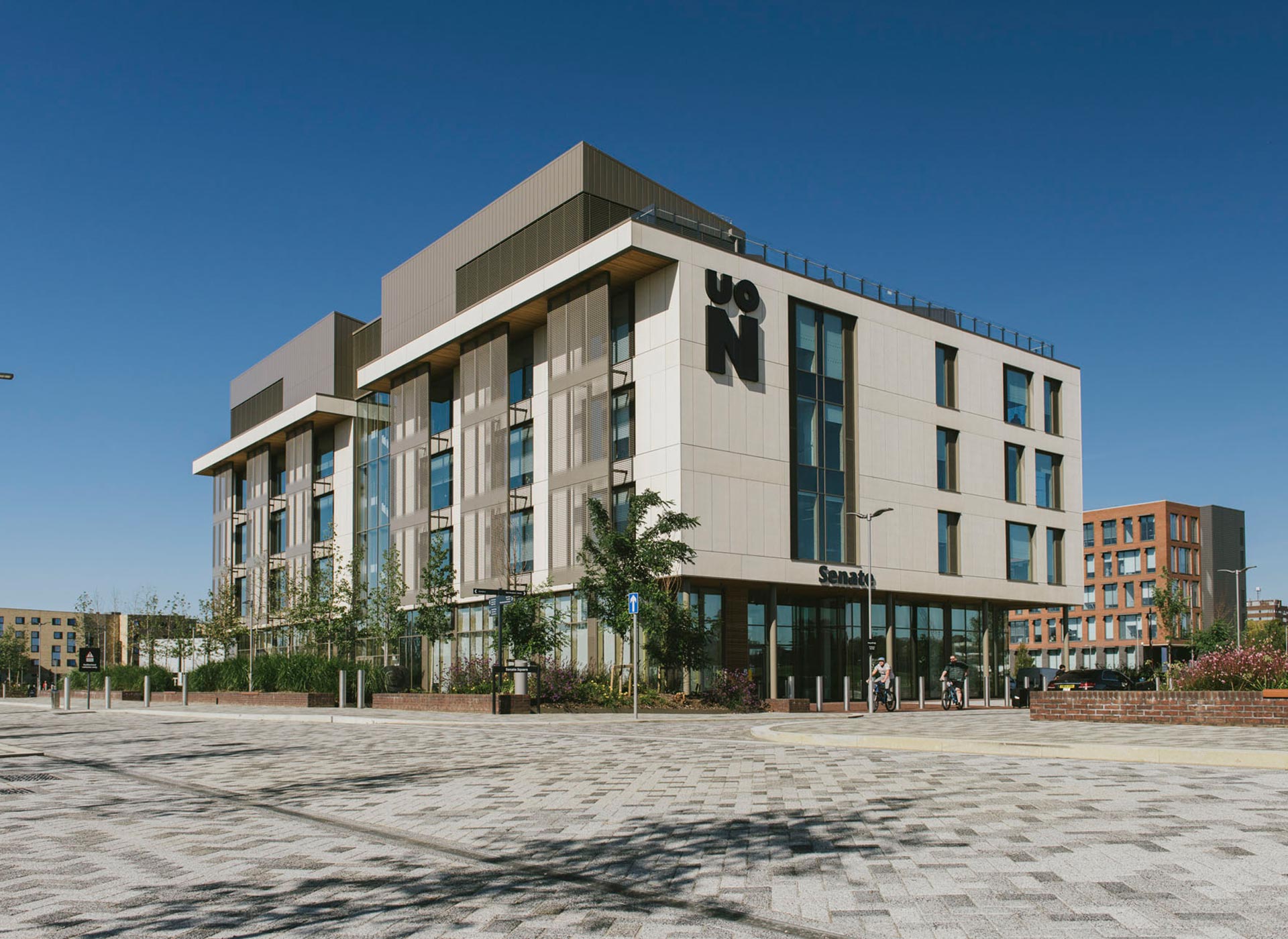
The big and spacious modern Senate building has various types of learning spaces, teaching rooms, our Bloomberg suite, Morley Room lecture hall, and cafes.
Applicants for the MA SEN degree will possess one of the following:
For more information on how to make an application for the masters in special educational needs and inclusion, please visit our How to Apply page.
If you are an International student and would like information on making an application, please see our How to Apply page.
All International and EU students applying for a course with us must meet the following minimum English language requirements:
For information regarding English language requirements at the University, please see our IELTS page.
Open Days give you the best experience and insight to courses, people and facilities that interest you. Make your choice easier and come meet us.
Book NowThis special educational needs masters course has been designed to contribute towards achieving the following United Nations Sustainable Development Goal: SDG4 Quality Education.
All of the modules are equivalent to 30 Credit Accumulation and Transfer Scheme (CATS) points, apart from the Research Thesis (EDUM100) which is 60 CATS points and is compulsory if you are studying for the MA. This module includes taught aspects of research methods as well as an independent piece of research.
This module provides a structured framework for students to engage in a critical examination of work-based / institutional development and to plan and undertake a small scale project that addresses an identified area for innovation. Students will have the opportunity to explore key concepts related to managing and facilitating change and critically reflect on the factors that impact on successful implementation. This module is based on the individual needs of professionals working with children or adults across a range of settings.
This module provides an opportunity for students to engage in completing an original research project, supported by structured research training, under the guidance of a supervisor. When the student is studying on a named pathway or programme this research thesis will be aligned to that field of study.
This module examines and analyses the historical, cultural, legislative, philosophical and practical origins of social and educational inclusion within the UK and globally. It includes the critical analysis of approaches used to develop more inclusive environments within settings and organisations and scrutiny of the various challenges which can exist.
The purpose of this module is to examine the nature and possible causes of autism, both from a historical context and by critical analysis of current perspectives, theory and research. The implications of behaviours and the continuumn of needs are examined along with exploration of perspectives of individuals on the autism spectrum, families and professionals.
The purpose of this module is to provide students with an opportunity to understand and evaluate a range of approaches used to support individuals on the autism spectrum and their theoretical basis. Students will engage critically with research and literature relevant to the field.
This module will develop students¿ understanding of literacy difficulties and those associated with SpLD (including dyslexia), taking into consideration contexts for literacy learning, including socio-cultural, social/emotional and multilingual aspects. Difficulties experienced in the acquisition of literacy will be analysed in relation to underpinning theories of language and literacy development.
The purpose of this module is to understand the causes of behaviours which are considered as challenging and to consider ways of providing appropriate and effective support to individuals on the autism spectrum and other neurodevelopmental conditions who exhibit such behaviours.
This module provides students with opportunities to critically engage with research around adverse childhood experiences affecting attachment and relationships across the life-span, encompassing infant, childhood, adolescent and adult relationships. Individuals? social, emotional, physical and behavioural development is examined including identification, assessment and provision. International, national and regional contexts are considered.
Please note the modules shown here relate to the academic year 25/26. The modules relating to the academic year 26/27 will be available from June 2026.
All of the teaching for this SEN masters course is in small group format, such as seminars and workshops, enabling you to engage in discussion and debate. This course is taught as interactive sessions, with a focus on active engagement and discussion.
You will also be able to attend research seminars, day courses and other university activities. Underpinning all of what we teach is the linking of theory and practice, allowing you to critically reflect on work-based issues, concerns and developments.
For this MA in special educational needs and inclusion, taught study is typically three hours per week, per module. Teaching on-campus tends to be in the evenings (5 – 8pm). We also recommend that you spend 10 hours per week, per module in self-directed study time.
Students studying in Thailand will have block classes up to four days with additional online support and activities.
The PG Certificate involves two 30 credits modules and typically takes one year.
The PG Diploma involves four 30 credits modules and typically takes one year full-time or two years part-time.
The MA will entail completing four 30 credits modules and the Research Thesis (EDUM100) and takes typically one year full-time or between two and four years part-time.
Our assessment procedures are flexible and work around your personal interests and professional workloads. Assessment is usually in the form of essays, case studies, portfolios, presentations, reports and research projects.
“I was able to experience a healthier person-centred means of learning that equipped me with a level of confidence in my strengths and abilities like never before.”
Fees quoted relate to study in the Academic Year 26/27 only and may be subject to inflationary increases in future years.
When assessing an applicant’s eligibility to pay home fees, we use the guidance provided by the UK Council for International Student Affairs (UKCISA) which sets out the regulations that have been decided by the UK Government Department of Education.
Tuition fees quoted for International Students apply only to the 2026/27 academic year. These fees may increase in future years in line with Consumer Price Index (CPI) inflation to reflect rising delivery costs. Any annual increase will be capped at a maximum of 5% of the previous year’s tuition fee. Updated tuition fees will be published on the UON website at least three months before the start of the next academic year.
International students that have opted to enrol on January intake with accelerated pathway will be required to pay deposit of £7,000 required for their re-enrolment onto their second year in September. We therefore urge that you consider preparing necessary funds to cover the enrolment fee in advance.
There are no additional costs for this course for students beginning their studies in September 2026. Should this change, applicants and students will be contacted by the university with details of the costs.
If you are starting a postgraduate Master’s course in 2026/27 either full-time or part-time* you may be able to apply for a postgraduate Master’s loan through Student Finance England.
*Please note that the maximum period of study allowed for part-time courses is two years. Please note to be eligible for a postgraduate loan you must be studying the full 180 credits.
For information on the scholarships available to you, please see our scholarships page.
For more information about possible funding options, please visit our Fees and Funding pages.
Fees quoted for the special educational needs masters relate to study in the Academic Year 25/26 only and may be subject to inflationary increases in future years.
*may be subject to inflationary increases in future years.
Senior Lecturer in Education (SEN and Inclusion)
Head of School – Education and Society
Associate Lecturer (Education)
Senior Lecturer in Education (SEN and Inclusion)
Associate Lecturer (Education)
Senior Lecturer in Education (SEN and Inclusion)
If you are already working in the field of SEN, disabilities and Inclusion then the in-depth knowledge you will gain from this Special Education Needs Course can help you to improve your practice or apply for management positions. A range of other career options in education, social care and voluntary sectors will also be possible, such as being an advocate, learning mentor, or family adviser. If you want to pursue further postgraduate research there is also the possibility of studying for a PhD.