SDG10: Reduced Inequalities
The University of Northampton is absolutely committed to reducing inequalities and ensuring no one is left behind. Many of our commitments to our students are detailed in our Access and Participation Plan (APP). This sets out how we will sustain or improve access, student success and progression among people from under-represented and disadvantaged groups.
Additionally, the University undertakes research into inequality and engages with partners to attempt to reduce inequalities in the wider society.
Our student body and inequality
Northampton is one of the most diverse Universities in the UK. Many of our students are non-traditional and many (46%) are first generation students (the first in their family to start a degree). We actively monitor our student intake and in particular we continue to target white working-class males from disadvantaged backgrounds (the most underrepresented group in higher education in the UK).
A high proportion of our international students are from developing countries (13% of all of our students are from developing countries). We offer a range of bursaries, scholarships and awards to support these students as our aim is prepare graduates who are Changemakers dedicated to creating social impact throughout their lives.
Please check out our latest research for SDG10: Reduced Inequalities
Our proportion of students with disabilities (13.4%) is similar to the UK HE sector as a whole. The figure for staff with disabilities is 110. Disabled students are specifically catered for within our APP as are students who are Care Leavers, Carers, from Service Families or who are Refugees.
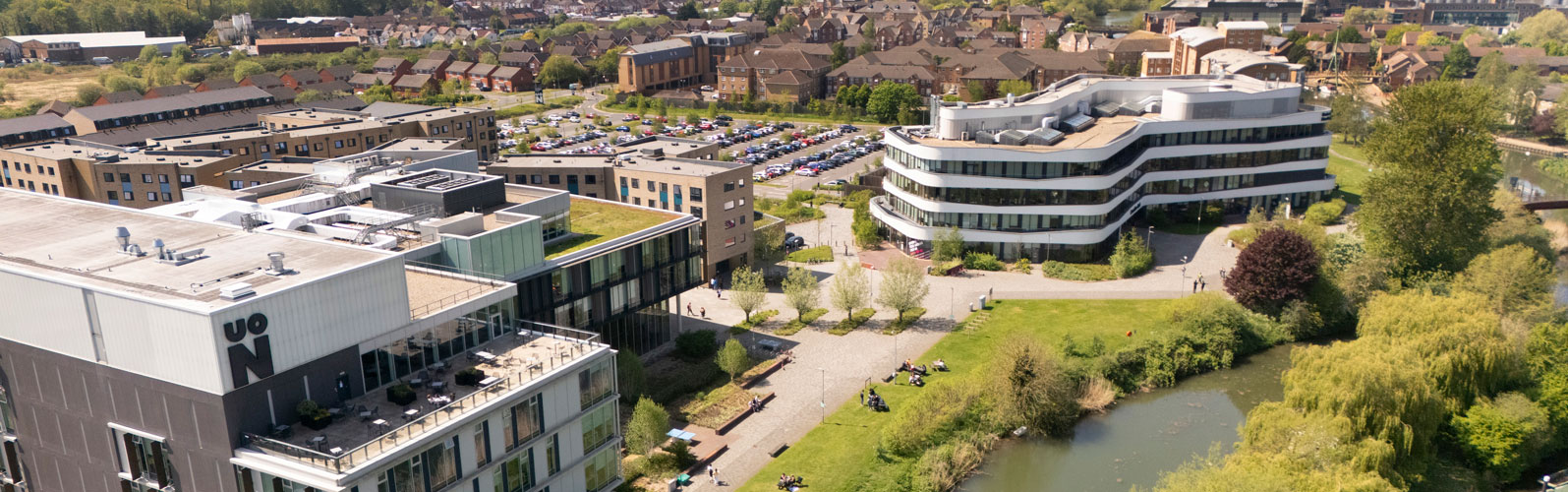
The University’s campus facilities are modern, and purpose built, and our buildings comply with all relevant standards.
Our Additional Student Support and Inclusion Services Team (ASSIST) works with students with disabilities to help achieve their full potential and to promote equal opportunities. ASSIST aims to enable students to access all aspects of university life, take control of their learning and develop the skills needed for employment. This is underpinned by a commitment to accessibility and respect for confidentiality. The team provides a range of services, including support and guidance for dyslexia, autism, epilepsy and other conditions for all new and current students, staff and parents.
We give priority to students with disability-related accommodation needs when allocating places in our halls of residence and provide ASSIST parking permits for students with disabilities.
Staff with disabilities are supported locally by their line managers, with additional consultation with Human Resources. Examples are Dyslexia assessments, implementations of reasonable adjustments, provision of specific equipment or software, consideration of different work schedules.
The University is committed to supporting Reduced Inequalities through modules within the following courses:
We have a number of policies to counter discrimination and in addition have a number of processes to counter inequality.
Our admissions policy is non-discriminatory however as part of our commitment to widening access we also offer Contextual offers for disadvantaged students, a student benefit package and an enhanced offer for low income families. In addition, our Foundation Study Framework has been designed to provide an access route to our degree programmes for non-traditional students. We have an active Schools Engagement Team which works with primary and secondary children, within the county of Northamptonshire from the ages of 8 – 18 through our targeted Widening Participation and Uniconnect programmes. We provide an extensive aspiration and achievement programme of interactive on-campus and in-school opportunities, activities and learning resources. Our aim is to encourage children and young people to consider higher education as an educational opportunity for them. Additionally, as part of our APP evaluation we actively track applications & admissions of underrepresented (and potentially underrepresented) groups including ethnic minorities, low income students, non-traditional students, women, LGBT students, disabled students.
UniConnect Programme is part of our outreach work, the evaluation reports for this are available on Pure at the below links:
- Karlidag-Dennis, E., Maher, M., & Bajwa-Patel, M. (2019). National Collaborative Outreach Programme (Phase 1) Monitoring and Evaluation Report September 2019.
- Karlidag-Dennis, E., & Bajwa-Patel, M. (2018). National Collaborative Outreach Programme Pathways Bi-Annual Report 2018.
- Bajwa-Patel, M., Giroletti, T., Karlidag-Dennis, E., & Lismore, K. (2017). National Collaborative Outreach Programme (NCOP) Interim Monitoring and Evaluation Report.
The University has a Staff Equality Forum and a Student Equality and Diversity Forum both reporting in to University Management Team. In addition within the Students Union there are part-time officer roles.
Policies that incorporate anti-discrimination and anti-harassment include:
- Admissions policy
- Harassment
- Complaints
- Sexual Harassment, Misconduct and Violence
- Student Disciplinary
- University of Northampton Policies and Procedures
There are also active networks for:
- LGBTQ
- Women
- BAME (Global Ethnic Majority)
- Disability
These networks have run successful conferences such as the recent #BlackInTheIvory event and play their part in informing policies and making recommendations to the University and provide peer support and mentoring schemes.