
Chris Holt
Senior Lecturer in Geography


UCAS Code
BSc: F800
BSc with Foundation: F801
Duration
Full Time: 3 years
Full Time Foundation: 4 years
Part Time: 4 years
BBC at A-Level or,
DMM at BTEC
Full Time: £9,790
Part Time: £1,630 (per 20 credits)
Integrated Foundation Year: £9,790
Updated 12/10/2026
What physical and human factors impact on our environment? How are they being addressed at local, national and international levels? How can we influence change?
Our BSc Geography degree uses small group teaching and one-to-one tutorials to ensure you get individual support from our team of enthusiastic, experienced and research-active academic staff. There is flexibility in the programme, enabling you to specialise in the types of geography that interest you as well as opportunities to attend field trips throughout the degree.
Your learning is assessed through a variety of coursework tasks, designed to help you develop skills to support employability and you will learn how to use industry-standard Geographical Information Systems (GIS). We maintain strong links with employers, and our dedicated career planning module includes a short work placement in your final year to give you practical experience.
For overall student satisfaction- National Student Survey 2026
For Student Satisfaction in the East Midlands
For Satisfied with Teaching. The Times
NSS Calculations are based on Office for Students (OfS) data from the average positivity score. Complete University Guide 2027, Geography and Environmental Science Subject Area, For Student Satisfaction (East Midlands only). The Times 2027 League Table for Geography.
This BSc Geography degree has been accredited by the Royal Geographical Society (with IBG).
Accredited degree programmes contain a solid academic foundation in geographical knowledge and skills, and prepare graduates to address the needs of the world beyond higher education. The accreditation criteria require evidence that graduates from accredited programmes meet defined sets of learning outcomes, including subject knowledge, technical ability and transferable skills.
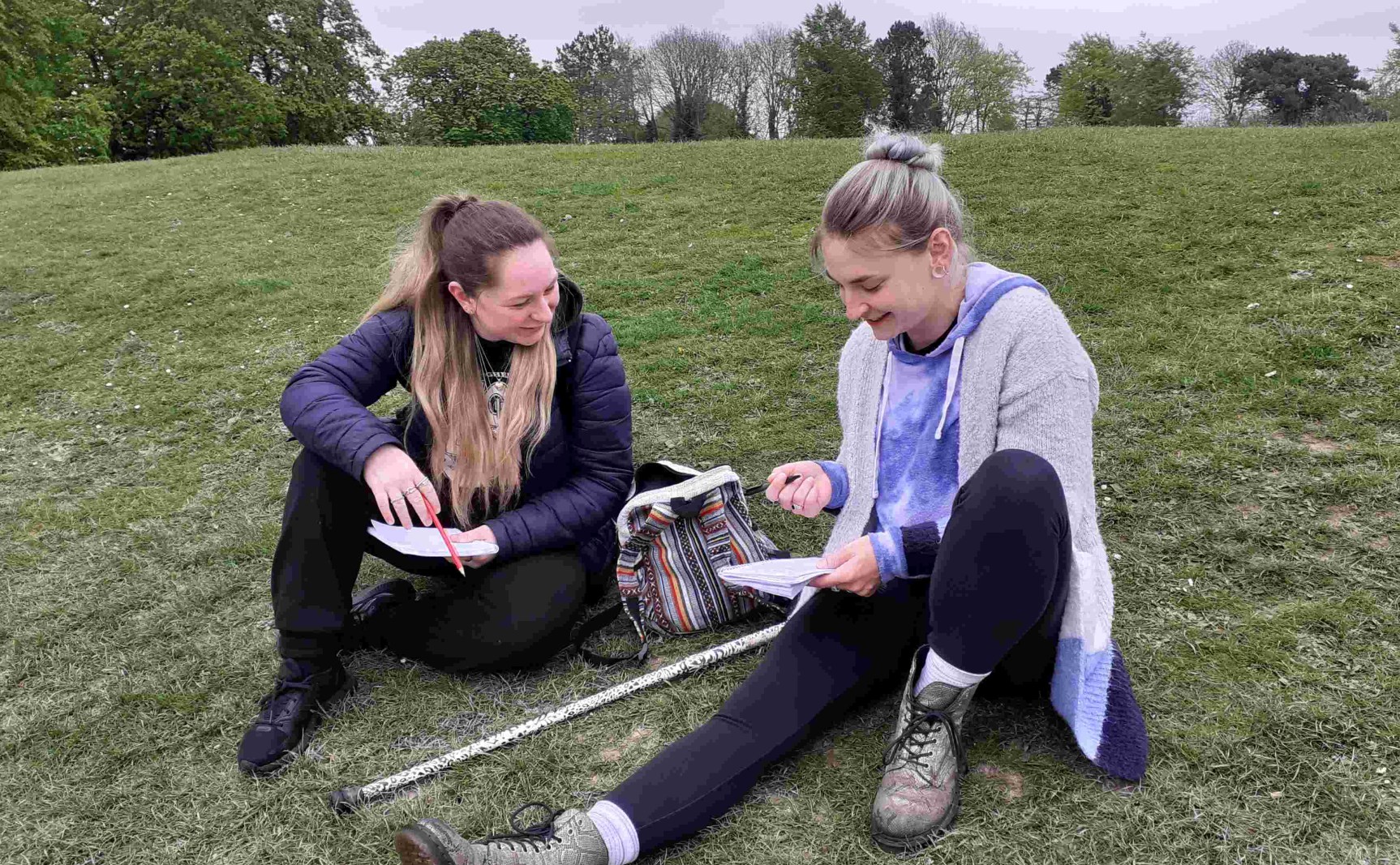
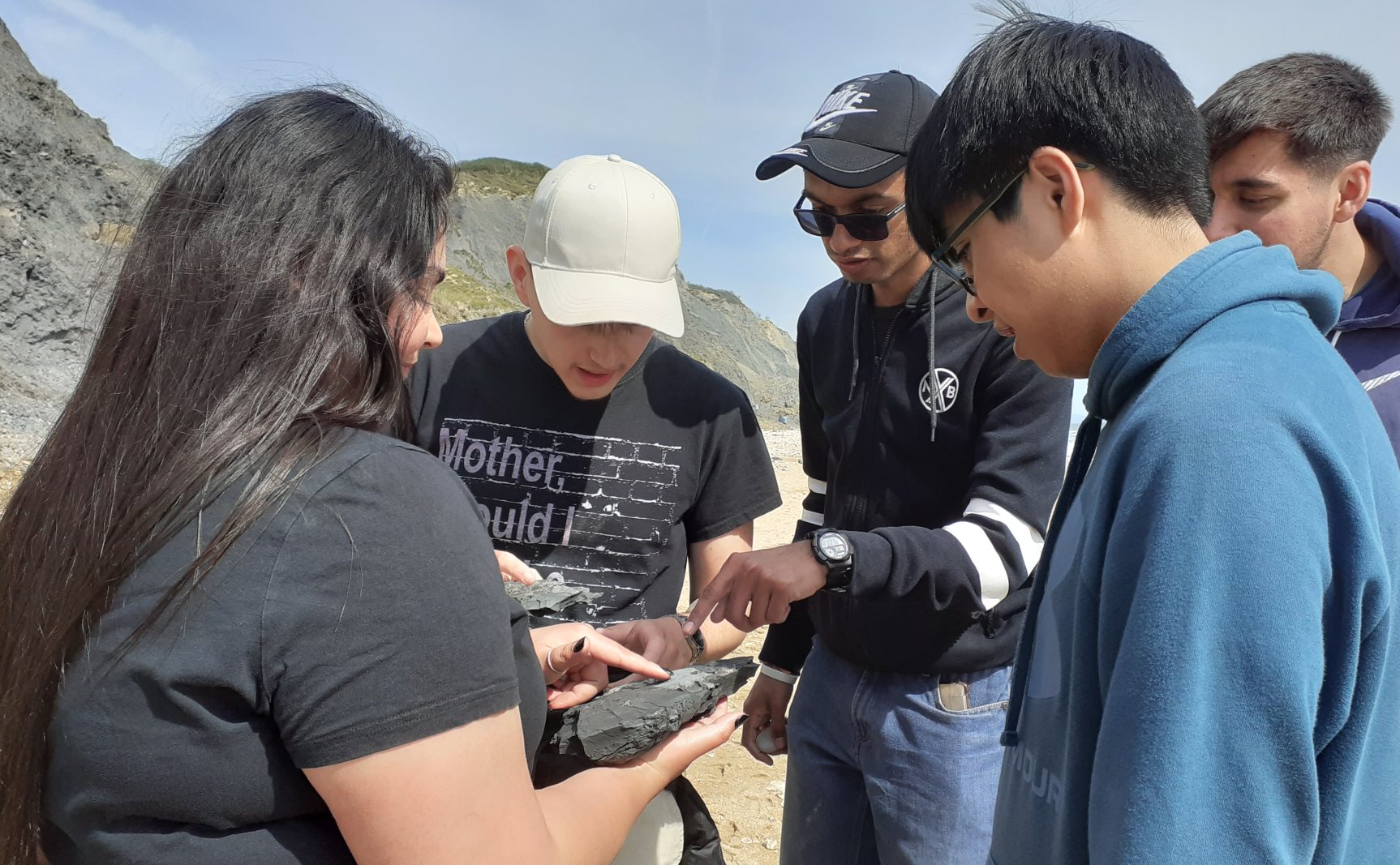
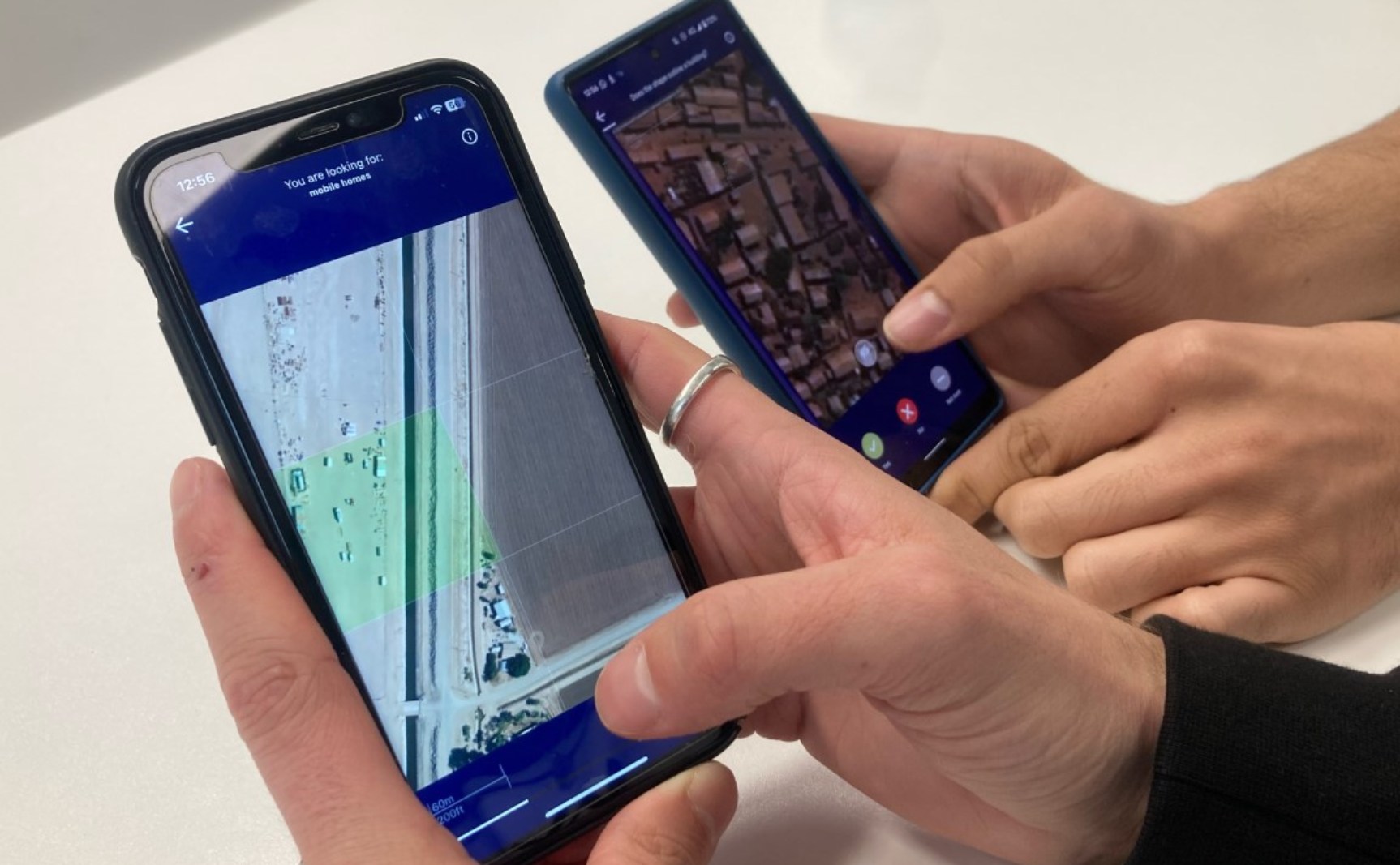
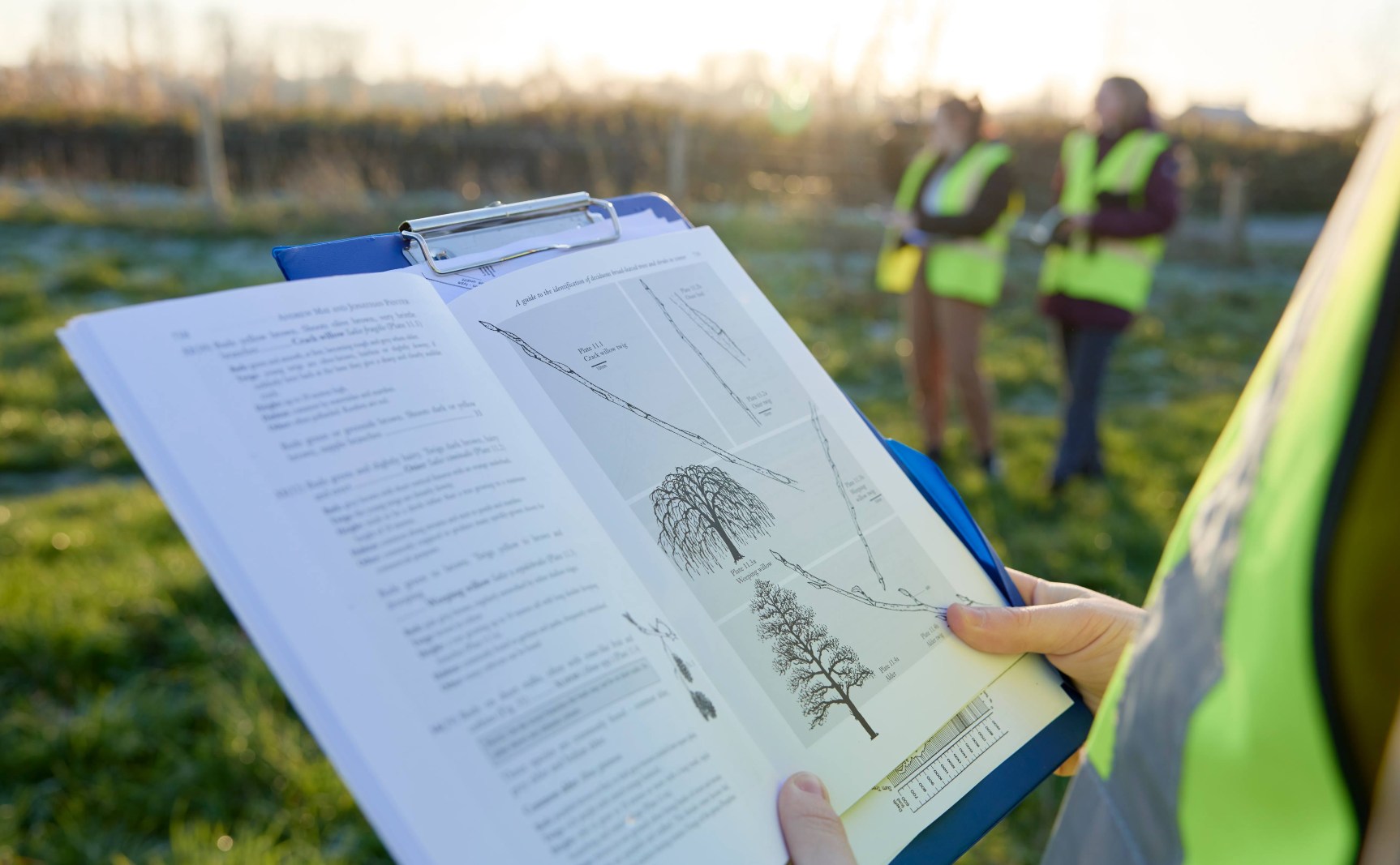

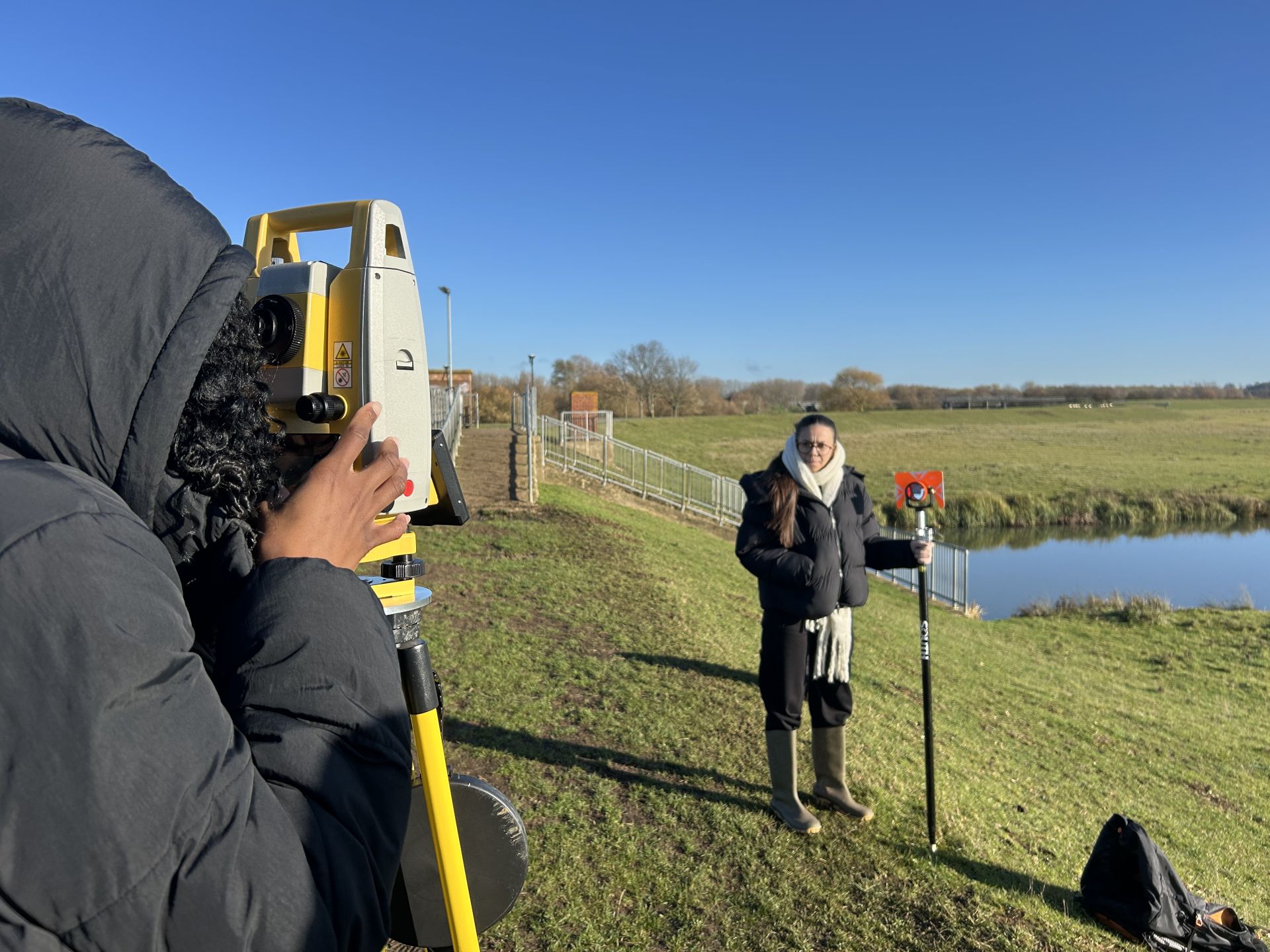
A student looking through a lens during a field trip study session/
A typical offer to study BSc Geography at the University of Northampton would be:
We welcome international applicants and applications from students with a range of non-traditional educational or professional qualifications.
We welcome applications for geography degrees from students with a mix of A levels and BTEC/Cambridge Technical qualifications.
For more information on how to make an application, please visit our How to Apply page.
If you are an International student and would like information on making an application, please see our How to Apply page.
Admission to this geography degree foundation programme is normally:
However, we would also like to hear from you if you have professional or industry experience instead, a range of other qualifications or self-developed subject knowledge that relates to the programme you wish to study.
All International and EU students applying for a course with us must meet the following minimum English language requirements:
For information regarding English language requirements at the University, please see our IELTS page.
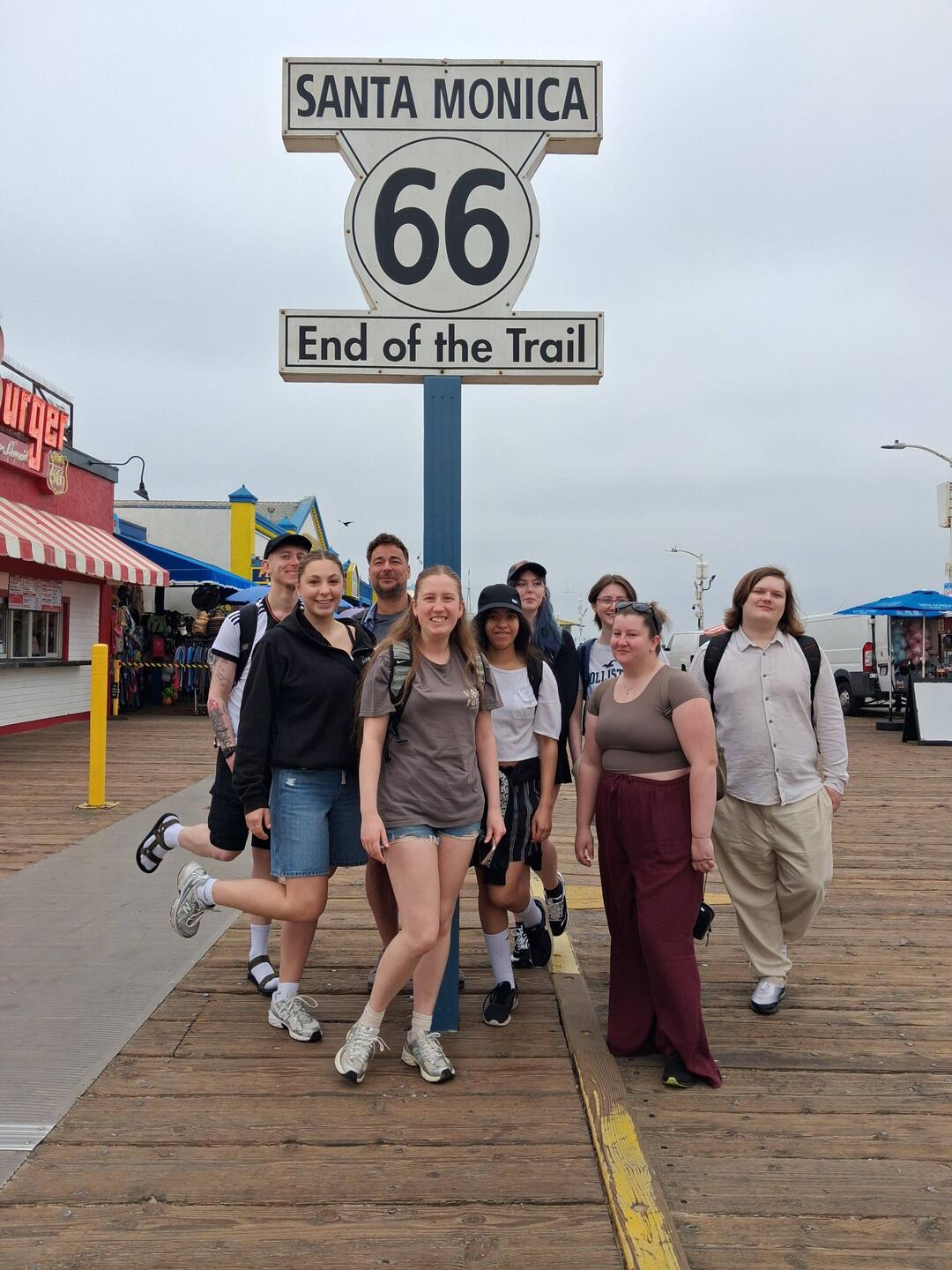
In May 2026, students on our Geography and Environmental Science courses visited various sites including the Grand Canyon, Sunset Crater, and Las Vegas.
The BSc Geography degree at the University of Northampton has been designed to contribute towards achieving the following United Nations Sustainable Development Goals: SDG7: Affordable and Clean Energy and SDG13: Climate Action, SDG11: Sustainable Cities and Communities and SDG15: Life on Land.
Our Geography course includes a mix of human geography and physical geography modules. Topics may include climate change, sustainable development, social and economic inequalities, migration, weather, water resource management, and geographies of sport. There is a choice of modules at Stages 2 and 3, with flexibility to enable you to specialise in human geography or physical geography if you wish to.
Classes, which are supported by online resources, are interactive and include activities and discussion.
During year 1 you will cover six compulsory modules, ensuring you have a solid foundation in key aspects of the subject. These modules cover both human geography and physical geography, as well as exploring key issues such as sustainable development and global inequalities. There are local fieldwork activities too, enabling you to put your learning into practice.
The purpose of this module is to introduce key concepts within human geography – based around the themesof people, place and movement – providing a basis for more specialised modules at levels 5 and 6. In addition it explores how human geography has changed over time and includes fieldwork.
The purpose of this module is to provide an introduction to a range of data collection and analysis methods used in geographical research. Students undertake two projects, enabling them to learn about, use, and evaluate some key research techniques.
The purpose of this module is to introduce students to the study of global economic and social inequalities. Focusing on the UN Sustainable Development Goals, students will gain an understanding of theories of economic development, identify key social inequalities, and explore a range of case studies from the Majority Global South.
The Physical Environment provides an introduction tothe physical environment of Planet Earth. Students will examine processes which operate in the atmosphere, like the development of clouds and tainfall, those that occur at the Earth’s surface, such as weathering and erosion and how, combined with geology and tectonics how these processes interact to produce environments and landscapes.
This module provides an overview of a broad range of geohazards. It introduces the key principles, concepts and terminology associated with the analysis of geohazard.
In this module students develop an understanding of sustainable development, its underpinning values and what it could mean to them. Students will explore local and global dimensions of sustainable development through student-led project work, discussion and critical reflection.
Please note the modules shown here relate to the academic year 26/27. The modules relating to the academic year 27/28 will be available from June 2027.
At the University of Northampton, everything we do, from funded trips to paid internships, is to give you everything you need to make a difference when you leave.
If you join this full-time BSc Geography degree, you will receive a laptop when your course begins*. The laptops are built to a bespoke custom specification ideal for use in the seminar room, collaborative group work or studying at home.
Whatever your ambitions, we’re here to help you to achieve them. We’ll support you to identify the skills you’re learning during your geography degree, find your strengths and secure practical experience so that when it comes to applying for jobs or further study you’ll feel confident in standing out from the crowd. We’ve created the Northampton Employment Promise because we are so confident that if you focus on your studies and complete one of our awards you’ll be highly employable by the time you graduate. Putting you in a great position to secure employment or continue your studies.
To check out the full list of perks, visit our Student Perks page or dedicated International Perks page.
*UK fee payers only (see Terms and Conditions for further details).
The Integrated Foundation Year (IFY) offers a new and exciting route into studying for a degree in geography, attracting ambitious and driven students who are willing to learn and advance.
If you have non-standard qualifications or do not quite meet the admissions requirements for BSc Geography we can offer you a fantastic opportunity to study a four year programme which includes an Integrated Foundation Year. The Integrated Foundation Year will help you develop the theoretical/practical and academic skills you need, in order to successfully progress to the full award.
Featuring a reduced tuition fee in the first year, our four-year courses will enable you to successfully follow the degree pathway of your choice while gaining essential study skills. The foundation year of your chosen degree will be studied on a full-time basis and is aimed at supporting the transition to higher education. Years two, three and four are then studied as a standard degree programme.
The optional placement year enables you to put into practice what you have learned on your degree and gain practical industry experience. ut into practice what you have learned on your degree and gain practical industry experience. Taking this placement year will extend your course to four years, and the placement is undertaken at the end of your penultimate year. This placement program lasts for one year (48 weeks) and is paid.
If you meet the entry criteria, and choose to take up a placement year, you will find it an invaluable experience that helps you to apply your learning in your final year and prepares you for your career. We offer a lot of support in helping you to find a placement, which can be in the UK or overseas.
Face-to-face sessions are organised as interactive classes with discussion and activities. For some modules on BSc Geography, there are workshops in the laboratory or computer room. Classes are supported by online and technology-enhanced learning to ensure you have the best possible study experience to achieve your potential.
How many hours per week of teaching/personal tutoring?You will typically have 12 hours contact time per week, in addition to 20-25 hours per week of independent study. You are encouraged to meet with staff on a one-to-one basis to get additional study support, and also receive timetabled personal tutor meetings each term.
We want you to feel supported throughout your studies and you will have regular meetings with your Personal Tutor. A Personal Tutor is a member of the teaching team who will help you to develop your academic skills and guide you to relevant support services. You will also be able to meet individually with lecturers to ask any questions you have about classes or assignments.
How will I be assessed?Modules on this BSc Geography degree are assessed through coursework and a small number of in-class tests. Coursework assignments are varied – there are written assessments (such as reports and essays), research-based and data-analysis tasks, and some verbal assignments (such as group presentations or debates). There are no formal examinations.
What can I do with a geography degree?A geography degree opens up many exciting and adventurous future career pathways. From working in the public sector in an environmental planning role, to working in the private sector as a planning and data analysis.
You will gain critical thinking, data analysis and problem solving skills that are valuable and transferable to many different careers and fields.
Completing a geography university course also opens up the pathway to further academic study in the field of geography, environmental science and more.
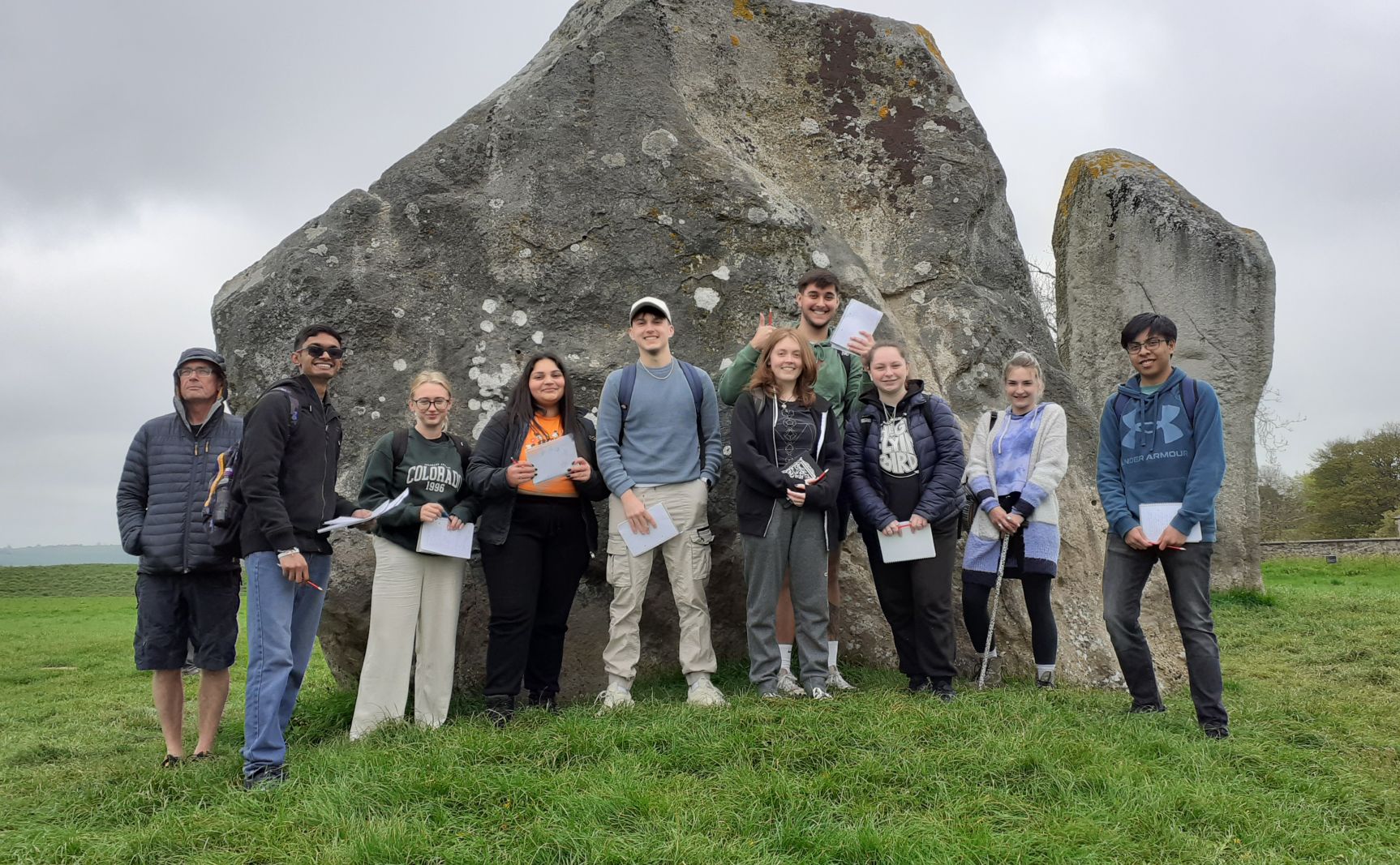
Are there study trips?Fieldwork is key to understanding geographical issues and developing transferable skills. Many of our modules on this Geography university degreeinclude part- or full-day field trips. Typical locations include London and the Midlands. In addition, we often conduct fieldwork on and around campus. There is a UK residential trip at Stage 2, the cost of which is included in your fees. Previous destinations have included London and the south-east, the Jurassic coast, and Devon. There may be optional overseas trips and locations in previous years have included Barcelona, Las Vegas and the Grand Canyon. We fund travel and accommodation costs on compulsory study trips. There are additional fees for optional trips.
Get all the info you need ahead of time, before you can apply for funding in Spring on our fees and funding pages.
UON will adjust fees annually for UK (Home) Students up to the maximum allowable fee cap set by the Secretary of State for Education.
When assessing an applicant’s eligibility to pay home fees, we use the guidance provided by the UK Council for International Student Affairs (UKCISA) which sets out the regulations that have been decided by the UK Government Department of Education.
Tuition fees quoted for International Students apply only to the 2026/27 academic year. These fees may increase in future years in line with Consumer Price Index (CPI) inflation to reflect rising delivery costs. Any annual increase will be capped at a maximum of 5% of the previous year’s tuition fee. Updated tuition fees will be published on the UON website at least three months before the start of the next academic year.
Our Geography BSc degree includes residential and day fieldwork trips within the UK. These opportunities help you to develop your skills and subject knowledge. There is no charge for compulsory field visits within the UK. Students are expected to cover the costs of meals.
There may be opportunities for overseas fieldwork. This will be optional, and students are expected to contribute to the cost. The cost of the trip will vary depending on location. For example, a 5-day trip in Europe might cost around £500. Students will also be expected to pay for any visas required.
For information on the scholarships available to you, please see our scholarships page.
For more information about possible funding options, please visit our Fees and Funding pages.
Fees quoted relate to study in the Academic Year 2025/26 only and may be subject to inflationary increases in future years. UON will adjust UK fees annually in line with Government Policy.

Senior Lecturer in Geography

Senior Lecturer in Geography

Senior Lecturer in Waste Management

Senior Lecturer in Geography
Senior Lecturer in Physical Geography & Env. Science
Career planning workshops take place in all years of study. In addition, there is a career planning module, which focuses on developing your awareness of jobs you can do with a Geography degree, recruitment processes, and your own subject-specific and transferable skills. The module also includes a short work placement. We work closely with careers advisers to ensure students get one-to-one career guidance and support.
You will have opportunities to network with employers and our own graduates through events on campus, online, and through our dedicated social networking site. This provides you with insights into the wide range of careers university Geography graduates enter.
Our geography degree graduates gain employment in a wide range of sectors such as planning, environment, transport, education, energy, insurance, and local government.
Examples of the roles secured by recent graduates include: Flood and Coastal Risk Management Officer; Sustainability Projects Officer; Graduate Transport Planner; Net-Zero Data Analyst; Geography Teacher; Graduate Planning Officer; Trainee Land Surveyor; Graduate Geo-Environmental Engineer; Graduate Project Officer; GIS Technician; Researcher.
You will have access to our Geographical and Environmental Sciences laboratory, allowing you to work on projects alongside our team of active internationally-recognised researchers. Our laboratories are well equipped and include a laser granulometer and gamma-ray spectrometer that you can use for environmental surveys and assessments.
A wide range of industry-standard equipment is available for students on Geography and Environmental Science courses.
View Facility