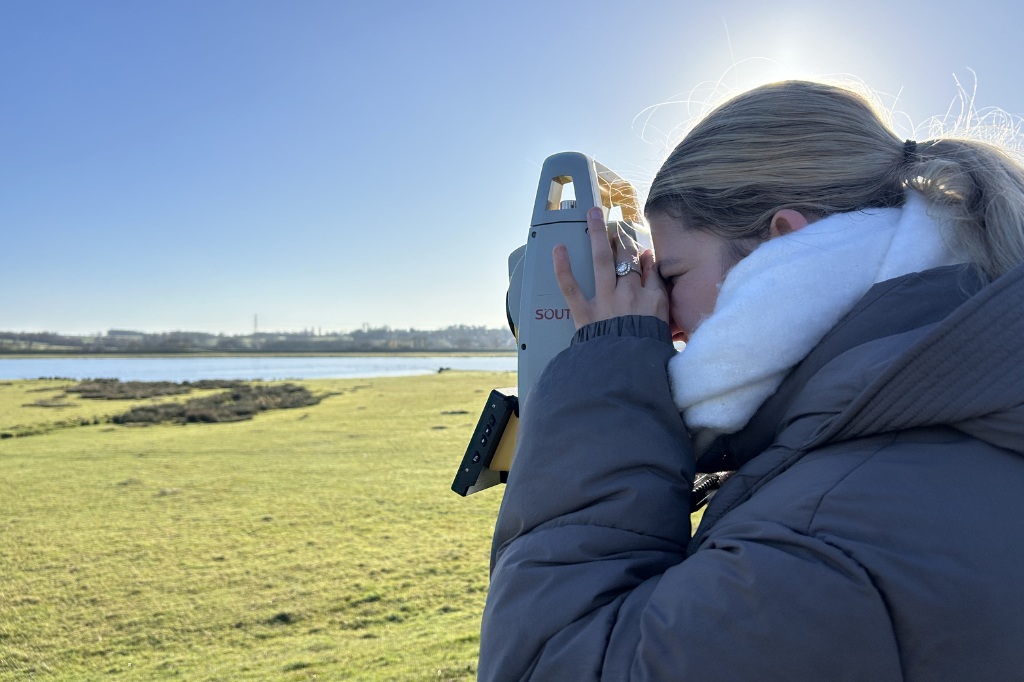
As David Attenborough marks his 100th birthday, the next generation of environmental scientists and biologists are quietly carrying his legacy forward – not in distant rainforests, but in the rivers, coastlines and green spaces of the UK.
At the University of Northampton, students are leading field-based research projects that are revealing how little is known about biodiversity and pollution in their local environment, from undocumented insect populations to microplastics embedded in river ecosystems.
One of the most striking findings so far comes from Northamptonshire itself, where researchers discovered there are virtually no meaningful historical records of beetle populations.
In response to this, third-year Biological Sciences student, Shania Lever has begun building the first systematic surveys of beetles in the area from the ground up, setting traps across Delapré Abbey and the University’s Ecology Zone.
The absence of records is now becoming its own scientific finding, highlighting how large gaps remain in Britain’s ecological monitoring, particularly for invertebrates, which play a critical role in soil health and food webs.
Alongside biodiversity surveys, other students are focusing on the growing issue of plastic pollution in freshwater systems.
Student Lema Asarfe is investigating whether freshwater shrimp in local waterways are ingesting microplastics or instead accumulating them physically in their bodies, while fellow coursemate Lola Mate is examining microplastic contamination in sediments from Dallington Brook, aiming to quantify how much plastic is being stored in riverbeds rather than flowing through systems.
Another strand of research is looking beyond rivers entirely.
Student Ashlynn Havers has been studying rocky shore ecosystems to understand the importance of rockpools as habitats for crabs and other marine species, hoping to highlight how these small, often overlooked environments can act as key indicators of wider coastal biodiversity health.
Taken together, the projects suggest the broader pattern that while global environmental crises dominate headlines, many of the UK’s own ecosystems remain under-recorded and under-understood.
For the students involved, the work is both scientific and driven by passion and curiosity about the landscapes they grew up in, with a belief that environmental monitoring should begin at home.
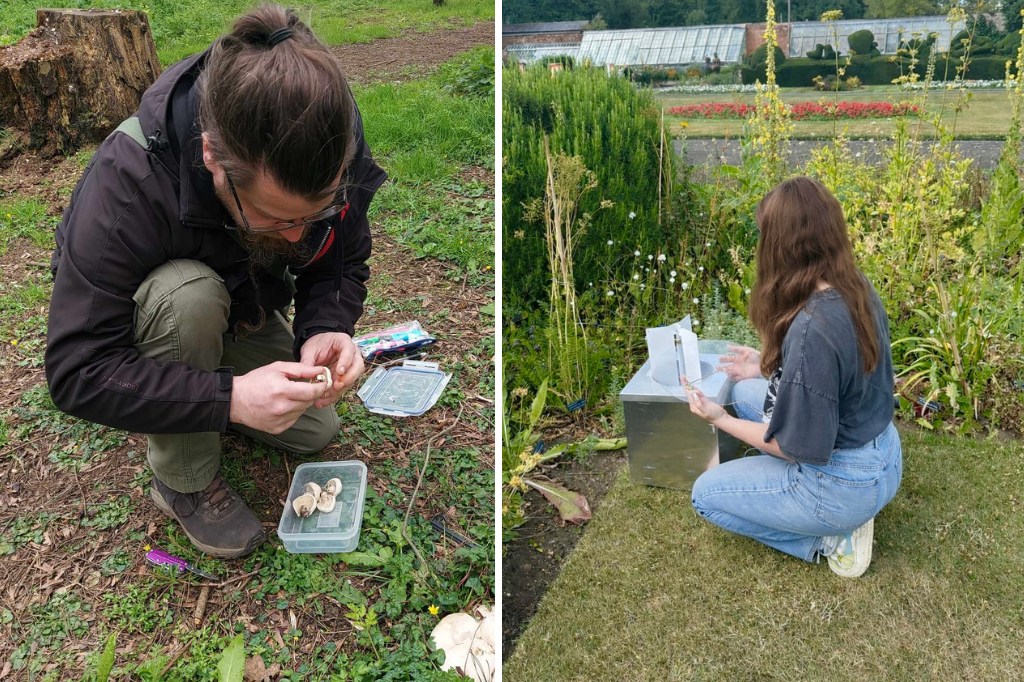
As David Attenborough’s century-long career is celebrated, their research points to what may come next: a generation of scientists applying his spirit of observation not just to the natural world abroad, but to the biodiversity on Britain’s doorstep.
The University of Northampton’s Programme Leader for Biological and Environmental Sciences, Ruth Copeland-Phillips celebrates the real-world impact already being delivered by the student cohort: “Already this year, we’ve seen some fantastic successes achieved by our students – a moth rediscovered in the county after nearly a century, a rare fungus unearthed at a local nature reserve, as well as impactive research into the impact of traffic noise pollution on local birdsong.
“In much the same way as David Attenboroughh, our students are committed to delivering positive environmental impact on the world around them, and casting a spotlight on important ecological issues which need to be addressed.
“While their findings are still emerging, the message highlighted by our students is already clear: even in a densely studied country like the UK, much of the natural world on our doorstep remains surprisingly undocumented.
“But perhaps, thanks to the hard work of our next generation of Biologists and Environmental Scientists, this may not be the case for much longer.”