Loveleen Gaidhu
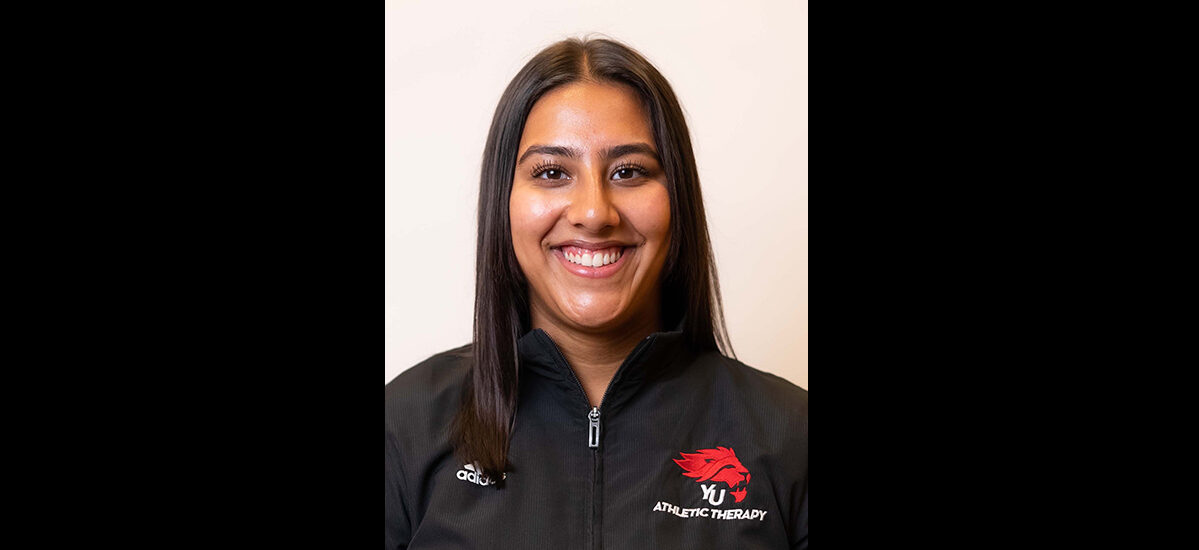
Physiotherapy (pre-registration) MSc
View the course- Year of graduation: 2026
- Current job title: Certified Athletic Therapist CAT(C)
- Current employer: Toronto Jr Argos
I chose the University of Northampton because of its modern facilities, which provided an excellent learning environment, particularly through simulation-based teaching. Throughout the application process, communication was clear and supportive, and the interview panel was professional, knowledgeable, and approachable, which also left a strong impression on me.
I felt that the programme’s two-year route to qualification, combined with its Blended Learning approach, would help me develop as a critical thinker and practical problem-solver using evidence-based practice. I was particularly drawn to the wide range of placement opportunities across sectors such as the NHS, private healthcare, sport, and the voluntary sector, which enhanced my employability and readiness for practice. Also, the University’s location is highly advantageous, situated close to the town centre and approximately one hour from London, offering both a focused academic environment and access to a major international city. Finally, the opportunity to receive a scholarship towards my tuition fees was a significant factor, making the programme both accessible and financially feasible.
My favourite aspect of my university experience was the quality and dedication of the lecturers. They were highly passionate about their respective areas of physiotherapy, including musculoskeletal (MSK), neurological, and cardiorespiratory practice. Each lecturer brought their own unique teaching style and methods, which I found highly beneficial in supporting different ways of learning. I particularly valued the practical learning environment – the lab sessions and the use of specialised equipment greatly enhanced my understanding, especially as a visual and hands-on learner, allowing me to consolidate my knowledge by actively performing tasks. In addition, the lecturers were very approachable and supportive, both during academic teaching and throughout placements which played a key role in my development. My PAT (Personal Academic Tutor) provided consistent support throughout the course, helping me navigate both academic challenges and personal highs and lows by offering academic guidance and emotional support.
My studies have significantly contributed to my professional and personal development. The course material provided a solid academic foundation, which I was able to apply and build upon during my clinical placements, enhancing my practical competence and confidence. My placement experiences were valuable in developing essential clinical and interpersonal skills. During my placement in a dementia care home, I strengthened my communication skills and learned to adapt my approach to meet the needs of patients with cognitive impairments, and at my stroke placement, I developed creativity in designing and adapting rehabilitation strategies to suit individual patient needs, and gained a strong understanding of professional conduct, including bedside manner and patient-centred care. I now feel confident to consider a career in a hospital setting, including working with neurological patients such as those recovering from stroke or living with spinal cord injuries. On a personal level, moving abroad and living independently for the first time was a transformative experience, helping me develop resilience, adaptability, and strong organisational skills. I became more self-reliant, improved my time management, and learned to balance academic responsibilities with daily living. This experience increased my confidence and independence, preparing me for both professional practice and future challenges. Academically, while I was initially more interested in the musculoskeletal field, the breadth of knowledge and exposure to other areas of physiotherapy has broadened my perspective.
The advice I would give to students interested in this course is to fully embrace the academic and practical aspects of the programme, as both are essential for becoming a confident and competent physiotherapist. The theoretical learning provides a strong foundation in evidence-based practice, which is crucial for making informed clinical decisions during placements. I would encourage you to take full advantage of these placement opportunities, as they are extremely valuable for developing clinical skills, communication, and confidence in working with a wide range of patients. Each placement offers a different learning experience, so be open-minded and willing to step outside your comfort zone. Finally, I would recommend staying organised and managing your time effectively, especially when balancing academic work with placements and personal commitments.
To become successful after graduation, be proactive and apply for as many roles as possible, even if you don’t meet every single requirement. Many job descriptions are ideal rather than essential, so it’s important not to be discouraged by gaps in experience. Each application helps you gain confidence, improve your approach, and increase your visibility to potential employers, which can open doors to future opportunities. It’s also important not to underestimate yourself – believe in the skills and knowledge you’ve developed throughout your studies and placements, even if you don’t feel 100% ready. Finally, always be kind, professional, and a supportive colleague – you never know who is observing your work, or who might one day become a reference, or help you progress in your career. Building good relationships and a strong professional reputation is just as important as clinical skills.
Since graduating, I’ve been focused on preparing for my Canadian physiotherapy licensing exam, using course material and an external course to support my studies and actively revising, while also staying in contact with the University to ensure all required paperwork is completed for my application process. Alongside my exam preparation, I completed the Canadian ethics course required for internationally educated applicants, which to strengthen my understanding of professional standards, ethical practice, and healthcare responsibilities within the Canadian healthcare system. In addition, I’ve been gaining practical experience through a variety of field coverage opportunities. I’m also a Certified Athletic Therapist, and this year I’ve supported private high school sports, including basketball, soccer, and hockey, and have assisted at tournaments such as the March Break Youth Cup, Ontario Women’s Hockey Association events, and the First Touch Football vs Toronto Football Club All-Star Showcase.
In my current role as a Certified Athletic Therapist, I provide comprehensive medical coverage for athletes across competitive age groups during training sessions and games. I am responsible for assessing and managing acute injuries on the sideline, including using tools such as SCAT (Sport Concussion Assessment Tool) for concussion screening and ensuring appropriate removal from play and adherence to return-to-play protocols. I work closely with athletic therapists and coaches to develop and communicate safe return-to-play plans and provide regular updates on injury status and recovery progress. I also contribute to injury prevention through prophylactic taping, bracing, dynamic warm-ups, stretching, and wound care. In addition, I manage injury documentation, monitor environmental conditions to ensure safe participation, and maintain supply and equipment inventory to support smooth and effective field coverage.
I found out about the role during one of my clinical placements as an Athletic Therapy student. I stayed in contact with my former mentor after the placement and when I reached out to her, she informed me the team was looking for additional staff, and she was happy for me to join.
I felt happy and grateful when I was offered the job. It was very rewarding to know that my work during my placement had left a positive impression, and that my mentor trusted me to join the team. I also felt excited about the opportunity to continue developing my clinical skills and gain more hands-on experience in a competitive sporting environment.
The knowledge and skills I’ve gained from my degree that have been most useful include my clinical assessment skills, particularly in injury recognition, differential diagnosis, and safe decision-making around return-to-play. My understanding of anatomy, biomechanics, and injury mechanisms has been essential when managing both acute and overuse injuries on the field, and my training in patient-centred care and communication has also been important, especially when working with young athletes, coaches, and parents. It has helped me explain injuries clearly, provide reassurance, and ensure everyone understands rehabilitation and return-to-play plans. In addition, my experience with evidence-based practice has supported my clinical reasoning when making quick decisions in high-pressure environments, while my placement experiences helped me develop confidence, professionalism, and the ability to work effectively within a multidisciplinary team.
I’d say this course can be challenging, but it’s also very rewarding and provides excellent preparation for a career in physiotherapy.