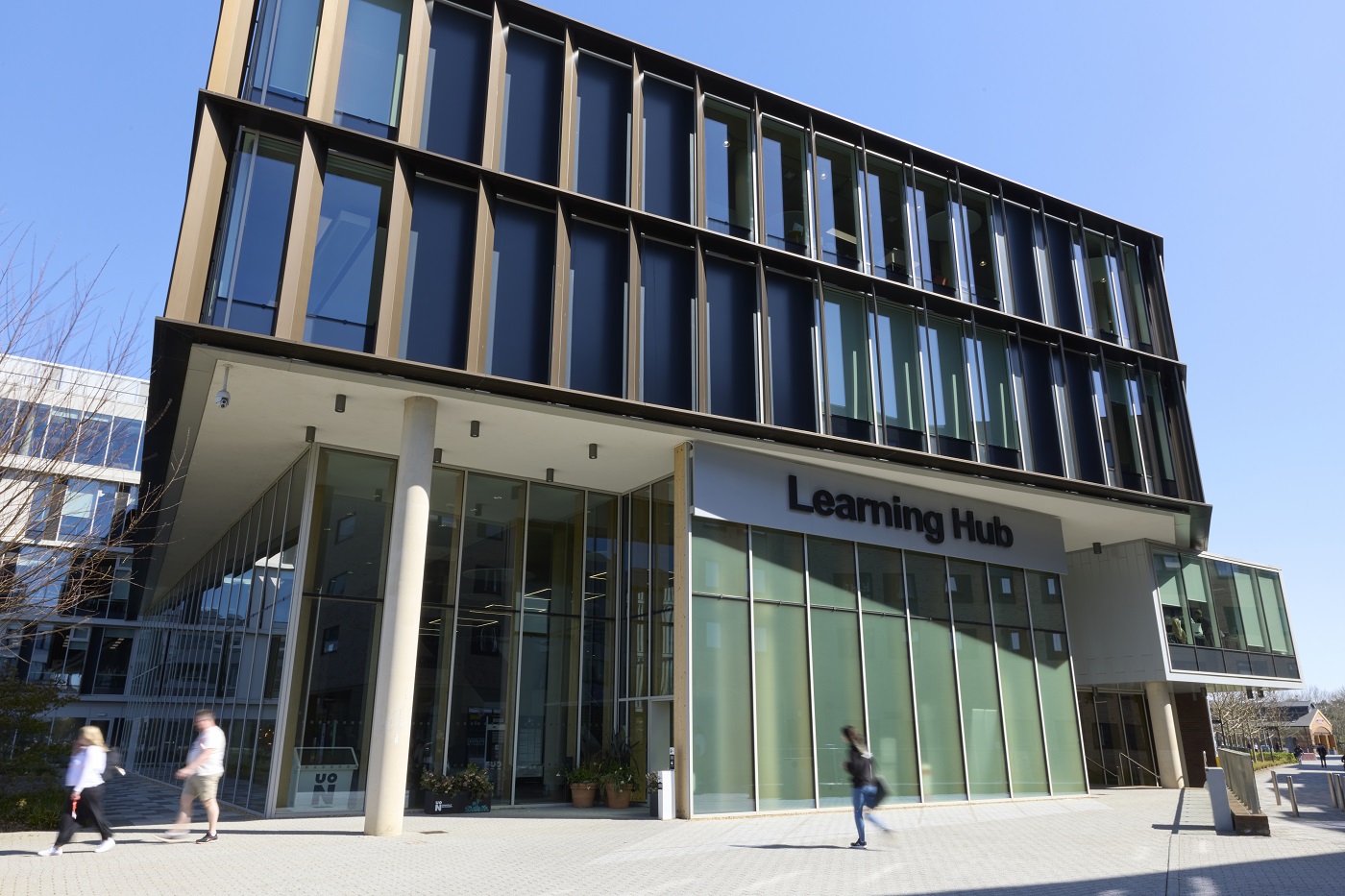
We’re pleased to announce the programme for the Voices of the Marginalised in History conference at the University of Northampton, Waterside campus, taking place on 7-8 July 2025.
If you’d like to attend, you can register for the event:
Programme of Events:
Location: Leatherseller’s Hide, University of Northampton, Waterside Campus.
Day 1: Monday 7 July
9:30 – 10:00: Registration and Tea / Coffee
10:00 -11:15: Keynote Lecture – Liam Liburd: ‘What is “marginal” in modern British history?’
11:30 – 13:00 Panel 1: Marginalisation and Colonial Contexts
- Claudia Tomlinson: ‘Searching for Silenced Voices: Oral History Interviews and Archival Spaces.’
- Tré Ventour-Griffiths: ‘Black British Hauntology: A Northamptonshire Response.’
- Alexandra Ward: ‘“Happy, orderly and contented”: The curation and distortion of ‘liberated African’ identity in British colonial documents, 1840-1872.’
- Jack Cox: ‘Convict Voices: Extracting the Experience of the Marginalised Convict Population from Archival Sources.’
13:00 – 14:00: Lunch
14:00-15:30 Panel 2: Marginalisation, Extremism and Anti-Fascism
- William Hatfield: ‘Teaching Victimization: An exploration of victimhood narratives within far-right youth publications in the latter half of the 20th century.’
- Billy Mann: ‘The Marginality of William Pierce? American fascism in an era of “political correctness”.’
- Daniel Jones: ‘The Voices of Marginalised Campaigns: Antifascist Oral History and its Revelations,’
- Paul Jackson ‘43 Group and On Guard: Assessing the Emotionology of British Antifascism in the Later 1940s.’
15:30-15:45: Coffee and Tea
15:45 – 17:15 Panel 3: Marginalised Identities
- Cheryl Morgan and Margarita Vaysman: ‘The multiple identities of Aleksandr Aleksandrov.’
- Andrew Williams, Fred O’Dell, Ramanathan Natarajan, and Madeleine Mant: ‘Sarah Harris: Marginalised by institution, gender, age and procedure.’
- Emily Bavellas: ‘Taking over the Asylum? Reclaiming mental health heritage within Asylum Museums.’
18:00: Wine Reception and Conference Dinner
Day 2: Tuesday 8 July
9:30 – 10.15: Panel 4: Marginality and Disability
- Caroline Nielsen and Isabelle Lawrence: ‘Challenging Objects: Curating and Representing Disability History in Museums: In Conversation.’
10:30 – 12:00: Panel 5: Margination and Women
- Sha Zhou: ‘Claiming space: Chinese migrant women in ethnic voluntary organisations in post-war Britain.’
- Akansha Singh: ‘Saints of the Margins: Afghan Women’s Spiritual Legacy and Dissenting Narratives.’
- Charlotte Spalding: ‘The Marginalisation of Female Wellbeing during the Eighteenth Century.’
12:00 – 12:30: Marcella Daye and June-Elizabeth White-Smith-Gulley: ‘Walking Windrush: Re-covering and Re-visioning Black Lives in local history through a community heritage trail project.’
12:30 – 13:30: Lunch
13:30 – 14:30: Conference Walk led by Marcella Daye and June-Elizabeth Gulley titled: ‘Before Windrush and Beyond Heritage Walk’
About the Conference
Historians have, as a profession, been quite adept at ignoring certain groups in history, whether this be through intentional or unintentional bias. Until very recently whole swathes of people in history, everyone except the elites, were left out of the stories of their past. Most people were marginalised by historians, just as they were subordinated in their own time. Marginalised peoples have fixed the gaze of historians since the 1960s. Early research focused on the working classes and working-class cultures, as well as more modest middling sorts. This agenda expanded into the period of feminist history in the 1970s and 1980s, when women took centre stage for the first time. Later the voices of colonised people began to be heard, rather than merely those of the colonisers who sought to oppress them. This was part of a wider set of perspectives engaging with the histories of the global ethnic majority, widening the scope of history beyond white European colonisers. The history of disability, so often ignored in the medical history, also grew in significance. More recently sexuality and trans histories have become a new frontier in the development of a more inclusive and therefore rich and textured understanding of the past. New perspectives on non-binary genders are only just beginning, as are histories of neurodivergent people.
This conference engages with these step changes in multiple historiographies and asks some key questions about where historians are, as a profession, in understanding marginality in society and history:
- What does the existing literature tell us about the nature of marginalisation and the impact of it on everyday life, both in history and in the contemporary world?
- How might we best hear the voices of the marginalised in history in methodological terms and be alert to new marginalised groups
- How has the nature of ‘marginal’ changed across time?
- How should we engage with claims to ‘marginality’ from groups such as the far right, many of whom may be considered ‘elite’ in other ways?
- What are the new frontiers in the history of marginalised peoples?