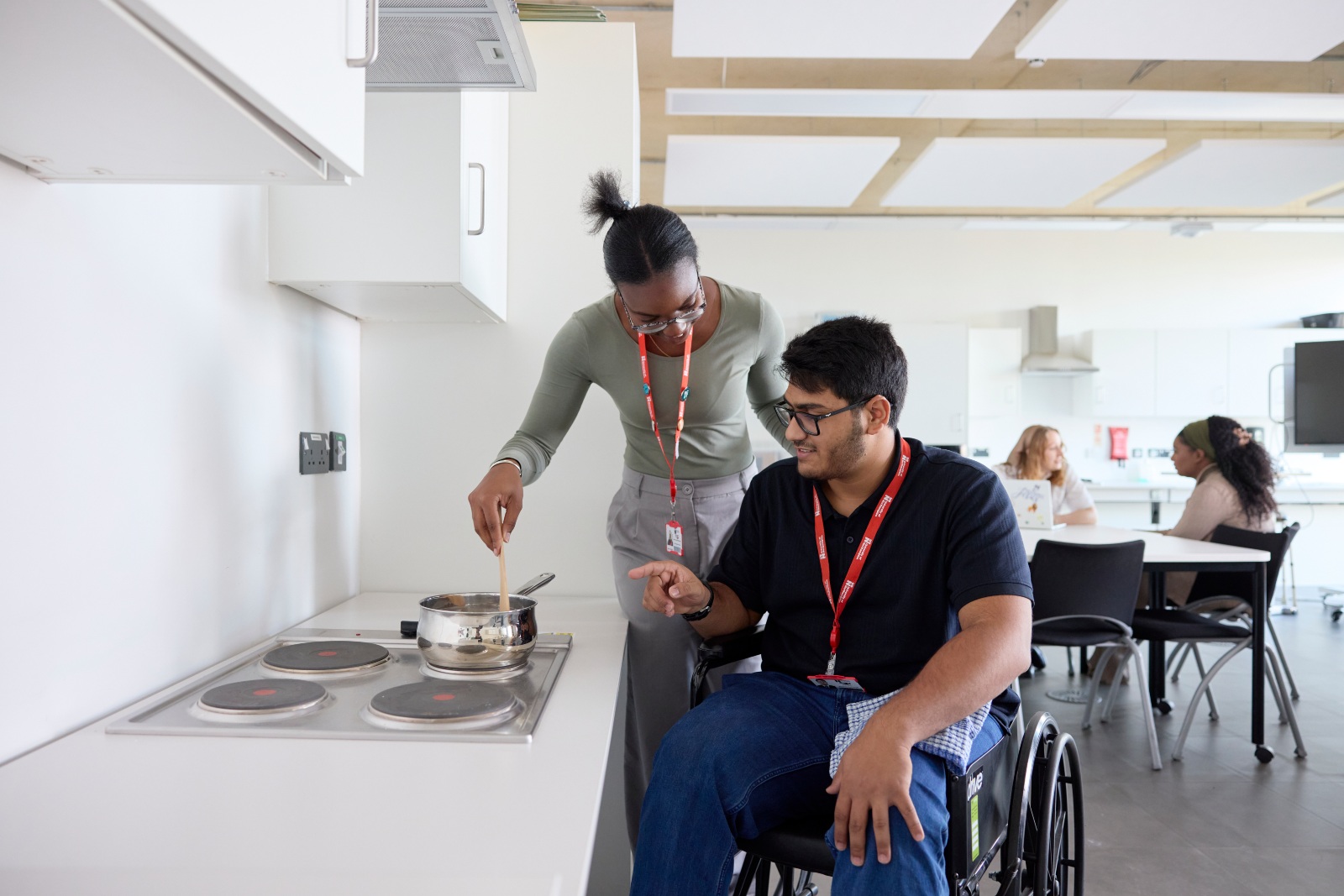
For National OT Week, Nicola Cumbleton, Senior Lecturer in Occupational Therapy, writes about the impact of not being able to participate in meaningful occupations.
Participation is something that a lot of us take for granted, our ability to be able to participate in our own lives and our chosen activities.
But what if that opportunity was taken away by illness, personal circumstances or discrimination? Suddenly our ability and opportunity to participate feels far more valuable.
Here at the University of Northampton, we want our Occupational Therapy students to know that participation in meaningful activities is important to everyone regardless of the challenges they may face in achieving it. The theme for Royal College of Occupational Therapists OT week this year is ‘Participation Changes Everything’ and we can only agree.
For occupational therapists, participation involves us engaging in meaningful occupations or activities, not just completing them. For some, that may be playing sport, working, or caring for their relatives, for others that may be their ability to get dressed in the clothes they choose or to paint. For each and every one of us, meaningful occupations are different but for all of us it gives us a sense of purpose, an individual identity, a sense of belonging and control over our own lives.
Our participation is linked to so many parts of us.
- Our identify is defined by how we express who we are, our values, interests and roles. Being a parent, a musician, a student or a gardener can all be an important part of how we see ourselves.
- Participation gives us purpose and meaning. It provides a goal to work towards and a reason to engage in everyday life. This could be preparing a meal for family which provides a way to contribute to family life. It could be going to work providing a feeling of responsibility, contribution to society and a sense of achievement. Walking your dog may represent daily responsibility and something to look forward to as well as social interaction along the way.
- Occupations can help us to build relationships, maintain friendships and feel part of a community. Something structured like attending a sports club may feel different to meeting friends for coffee but both provide opportunities to build meaningful relationships and fulfil social needs.
- Being able to participate in chosen activities and occupations can support autonomy, choice and independence. This promotes a sense of control over our everyday life. We may not consider the importance of choosing your own breakfast cereal, ordering a coffee you enjoy or choosing how to structure your day as groundbreaking, but how would we feel if that choice were made for us?
Occupational therapists work with people in so many settings to enable people to participate in these everyday tasks, this could include things people want, need or expected to do such as self-care, work, education, leisure, caring for others, play or socialising.
All of these tasks have one thing in common, this participation in everyday tasks can give a person a sense of purpose, identity, belonging and control over their own lives.
Occupational therapy intervention may involve changing the environment to enable rather than inhibit, to address social attitudes that restrict participation, to develop cognitive skills to enable task completion or to address mental health challenges that restrict engagement. Occupational therapists work in all sorts of environments including hospitals, schools, community teams, prisons, charities and many more.
What does participation mean to you and those around you? Take a moment to think about what’s important to you, it may surprise you what you value when you really reflect on it!