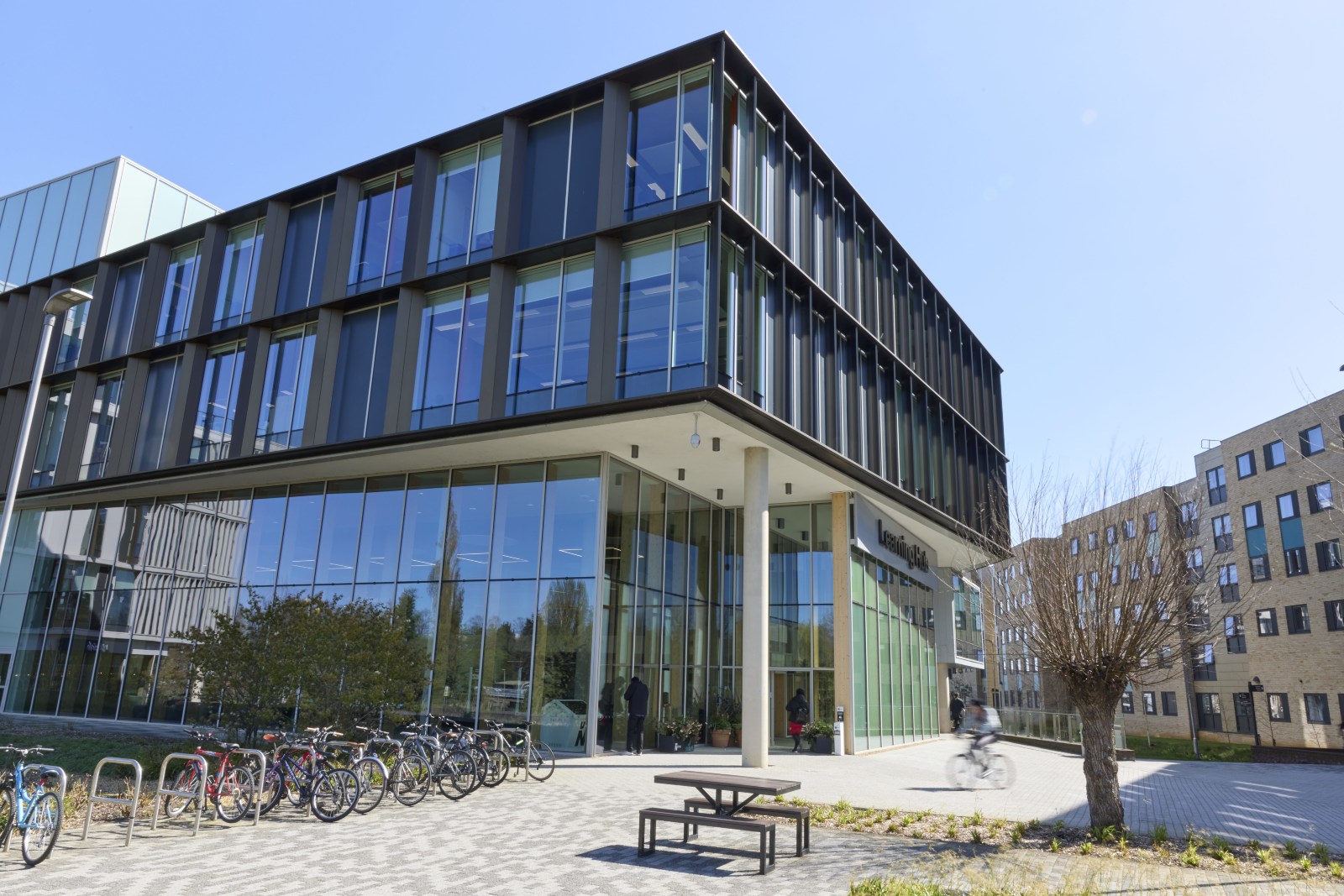

15 – 16 June on campus
Across the two on-campus days, we had 13 excellent speakers, who all unpacked nostalgia and radical politics in their own field of expertise. Day One started with Paula Read, with ‘The State Nostalgia of the New Heritage Americans’. This talk gave a glimpse not just into the past, but into the present and the ways in which people use imagined histories to develop an historic past. Some of this heritage was built on an imagined past that framed an identity which has had radical consequences in politics.
Next to present, was David Anderson with, ‘Memory of an Enslaved Christmas: Radical Black Nostalgia after Emancipation’. This talk unpacked the memory of those enslaved and how Christmas was another tool of control over their lives. This reminded the audience about how memories can be fractured and tools for oppression.
The next talk was by Pedro Martins, entitled, “Nostalgia for the Middle Ages”? Medievalism and Anti-Modern Views during the Portuguese Military Dictatorship and the Early Years of the Estado Novo (1926–1940). I was really looking forward to this talk, as more latterly I have been researching fascist representations of medieval chivalry, so am always keen to hear more. Pedro discussed how there is a masculine ideal of the Middle Ages, with even jousts re-enacted!
We then moved to the 19th century with Aileen Lichtenstein and, ‘Nostalgia in radical German exile politics of the nineteenth century’. German anarchists found themselves idealising after the medieval past too.
The next talk with Mark Hampton, was ‘The Uses of the Past in the Post-War British Fascist Press: History and Political Mission in The European and Combat’. This talk gave us a glimpse into how fascists imagined the future by using the past. The history they presented was a tool for political reconstruction, and it was used to imagine visions of radical transformation.
Moses A Hunsaker then rooted us back into the near past with, ‘Necessary Self-Deception: Historical Comparison in the Rhetoric of January 6th’. This talk discussed the ways in which language was used to validate the dangerous actions of January 6th and that this self-deception was used in a way to encourage the actions.
We continued with this theme into the case study presented by Dan Jones, ‘Nostalgia for pre-Modern White America: The Fiction of Tito Perdue’. This talk gave an insight into Perdue’s life and beliefs and some of the cognitive dissonance of it.
To round off the day, three PhD researchers gave lightening talks on their research. Luke Adams on eco-fascism, Will Hatfield on the Viking Youth, Clive Henry on The Turner Diaries and Jack Cox on imperial nostalgia and the criminal justice system.
On day two, we were luckily able to see a preview of Rachel Moss’ COMFAS talk to be delivered later than week. Then we moved to our final talk by Sari Alfi-Nissan, on ’Nostalgia, Nationalism and Entrepreneurialism in Israeli State Education’. This was an interesting final talk whereby Sari discussed how education is being framed as a way in which to draw out themes of citizenship and belonging.
The second day ended with discussions around the talks and potential networks and conference outputs. In sum, this was a really wide-ranging set of papers, all bringing something intrinsic in value to the title of the conference, nostalgia and radical politics.
Nostalgia and Radical Politics Online Day – 26 June
I offered an online day for our workshop to make it more accessible and was overwhelmed with applicants! I was really happy to include so many scholars from other parts of the world and also offer an accessible option to UK scholars with other commitments. The format of having this day a week after our in-person conference worked well – I think having it immediately after the in-person days would have been too tiring for us to engage fully. As it was, we had good attendance for a very full day of fascinating papers.
Martin Makara began the day by discussing nostalgia for the Communist Party era in Slovakia, followed by Rik Bhattacharya considering the role of left-wing nostalgia in combatting Hindutva. Roza Sarakatsanou considered the politics of solidarity in humanitarian settings. Deepanshu Mahajan analysed the role of radical theatre in the East Punjab in the 50s to 70s. Hicham Diouane assessed how nostalgia worked as a mechanism for political legitimacy in the Syrian conflict, especially in regard to sacred spaces. João Branco considered how the Middle Ages were mobilised in Portugal as a model example of social and political order. Gilad Padva offered a vision of queer nostalgia that engaged with radical politics and the utopian imaginary. Gabriel Leiva Rubio analysed the function of nostalgia in stabilising identity in conditions of fragmentation. Scott Burnett, presenting on behalf of himself and John Richardson, used discourse on X to open up questions around “Old Rhodesian” constructions of masculinity and identity. Luka Pavikjevikj rounded off our conference by considering the radical potential of nostalgia for socialist Yugoslavia.
I am really delighted to have been able to host such a generative event, and grateful to the British Academy for their financial support.
Papers offered
On-campus
- Paula Read: ‘The Stale Nostalgia of the New ‘Heritage Americans”
- David Anderson: ‘Memory of an Enslaved Christmas: Radical Black Nostalgia after Emancipation’
- Pedro Martins: ‘“Nostalgia for the Middle Ages”? Medievalism and Anti-Modern Views during the Portuguese Military Dictatorship and the Early Years of the Estado Novo (1926–1940)’
- Aileen Lichtenstein: ‘Nostalgia in radical German exile politics of the nineteenth century’
- Mark Hampton: ‘The Uses of the Past in the Post-War British Fascist Press: History and Political Mission in The European and Combat’
- Moses A Hunsaker: ‘Necessary Self-Deception: Historical Comparison in the Rhetoric of January 6th’
- Dan Jones: ‘Nostalgia for pre-Modern White America: The Fiction of Tito Perdue’
- Luke Adams: ‘“Our Green and pleasant land bulldozed” (BNP Leaflet) – The British Extreme Right and nostalgia for landscape, nature and countryside’
- William Hatfield: ‘“Keep Troth!”: Viking Youth and the utilisation of radical nostalgia within fascist youth groups’
- Clive Henry: ‘The Turner Diaries and Serpent’s Walk: nostalgia, time, and radicalisation in neo-Nazi future histories’
- Jack Cox: ‘Imperial Nostalgia and the Criminal Justice System: An Exploration of how Radical Politics Echoes Past Penal Policy’
- Sari Alfi-Nissan: ‘Nostalgia, Nationalism and Entrepreneurialism in Israeli State Education’
- Rachel Moss: ‘Medievalism, gender and politicised nostalgia in the British extreme right, 1962 – 1982’
Online
- Martin Makara – ‘“From underneath the town hall’s new facade a red star shines through.” (Anti)nostalgia for the Communist Party Era in Slovak Historical Fiction’
- Rik Bhattacharya – ‘Radical Memory: Cultural Nostalgia and Communist politics in India’
- Roza Sarakatsanou – ‘Nostalgic Orientations: Reconfiguring the present through emotional responses to the past’
- Deepanshu Mahajan – ‘Left Theatre and the Past: Inquiring a “Tradition of the Oppressed”’
- Hicham Diouane – ‘The Architecture of Restoration and Revenge: Radical Nostalgia along with the Contested Sacred Spaces of Syria’
- João Branco – ‘The Middle Ages in Lusitanian Integralism: Rewriting Portugal’s National Past (1910s–1920s)’
- Gilad Padva – ‘Radically Nostalgic Queerness Between Dystopian Present-Day-Centrism and Utopian Quest for a Better Future’
- Gabriel Leiva Rubio – ‘Nostalgia as Ontological Repair: Radical Politics and the Problem of Continuity’
- John Richardson and Scott Burnett – ‘‘Make Rhodesia Great Again!’: White African Retrotopia in Extremist Discourses’
- Luka Pavikjevikj – ‘The Radical Power of Yugo-Nostalgia: Political Imaginaries at the End of History’