Protecting People, Strengthening Places (PPSP) is a regional project helping West and North Northamptonshire prepare for Martyn’s Law (Terrorism (Protection of Premises) Act 2025), working alongside West and North Northamptonshire Councils, Northamptonshire Police, Counterterrorism Units, National Protective Security Authority (NPSA) and a wide network of venues, Business Improvement Districts, and event organisers across the area. UON is part of that network too, since our own campus falls under the Enhanced Tier and carries the same duties as every other qualifying venue in the region.
What makes PPSP distinctive is not just its subject matter but how it has been built. The project is founded on knowledge co-production rather than knowledge transfer. The safety framework at its centre belongs to the region, shaped jointly by the councils, the police, and the venues who will have to use it, not handed down from the university as a finished product. That distinction has shaped every stage of how partners have engaged with the work, and it is what gives the framework its credibility on the ground.
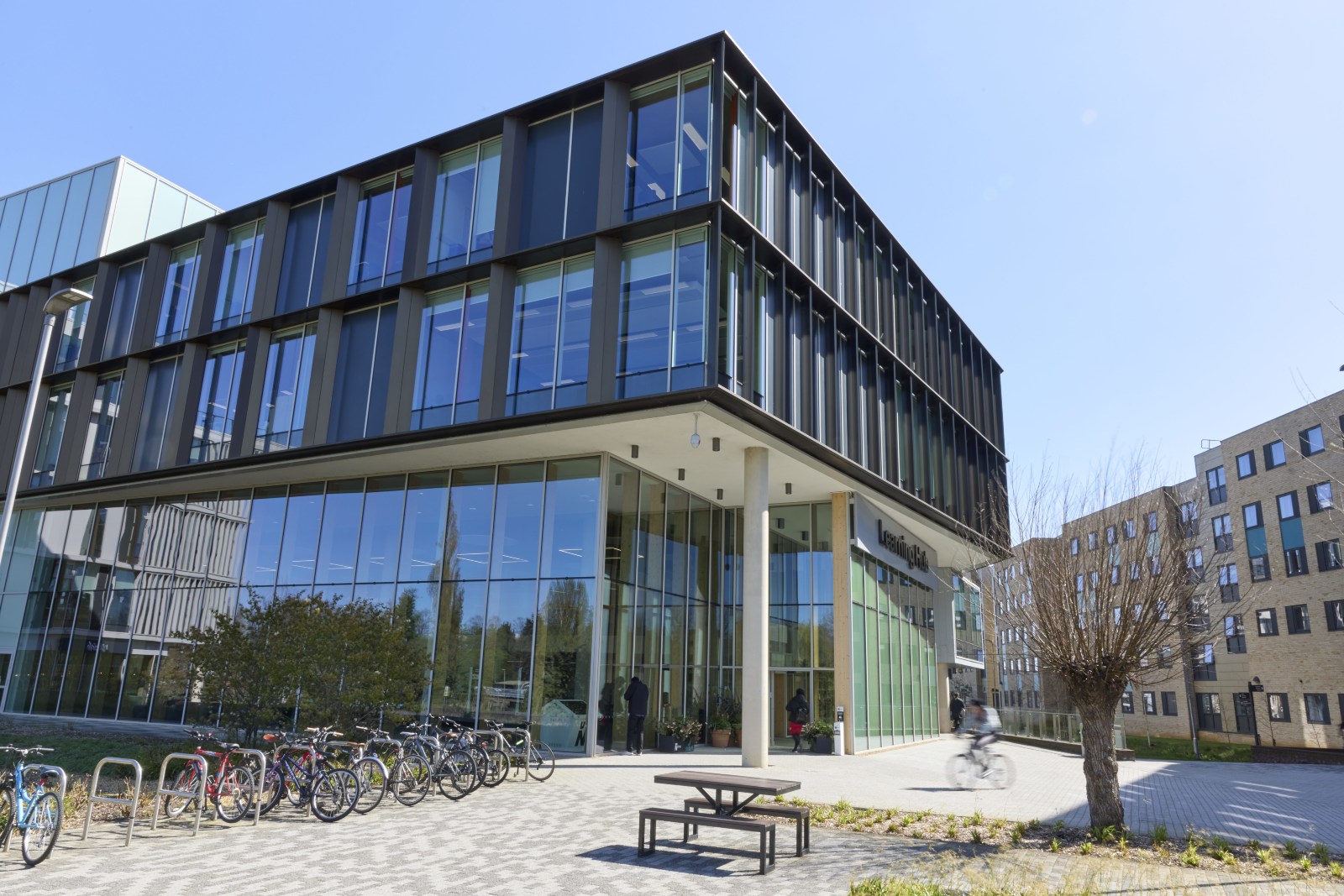
A framework is only as good as its ability to survive contact with a real, pressured situation, so PPSP needed a practical proof point. That proof point was Re-ACT, a live multi-agency simulation run at UON’s Learning Hub in June 2026, testing the regional framework against a marauding threat scenario during a busy public event on campus. UON’s Estates, Events, Security, and Communications teams, together with volunteer stewards, took on real operational roles under an independent exercise controller, with counter-terrorism security advisers and event safety specialists observing throughout. This was a test of the framework and our plans, not of any individual, and it was scoped and delivered accordingly.
Simulation only earns its keep when it builds in a realistic point of failure, escalates the pressure as the scenario unfolds, and closes with a structured debrief that surfaces the gap between what the plan says and what people actually do once the pressure is on. Re-ACT was designed around exactly that architecture, and it delivered. The exercise was judged to be pitched at the right level for UON’s current state of preparedness, realistic and stretching without being disproportionate, and the debrief that followed was honest, constructive, and rich with learning.
That learning is the real value of the exercise. Re-ACT surfaced where our current arrangements, and the PPSP Framework itself, need to be stronger. It tested how quickly a clear command structure could be established and understood. It tested how well information moved between the people managing the incident, the emergency services, and the wider public. It tested how decisions and actions were recorded in real time, how casualty care was resourced under pressure, and how prepared our people were before the first inject ever happened. In every one of these areas, the exercise found things to improve, and that is precisely what a no-fault simulation is for. Finding the gap in a controlled exercise, with a debrief and a plan to act on it, is a far better place to find it than in a live incident.
Those findings are already being put to work. UON now has a dedicated action plan, owned across Estates, Events, Security, and Communications, focusing on the development of a clearer event command structure, a standard pre-event briefing process, mandatory awareness training for event staff, a crisis management resource pack, wider first aid coverage, and a mapped, rehearsed communications plan for future events. In parallel, the PPSP Framework itself is being revised on the strength of what Re-ACT showed, with new practical guidance on command structures, information logging, casualty response, pre-event preparedness, and communications, so that every venue using the framework benefits from what UON learned. A follow-up exercise is already being planned to test the revised structure, and a case study drawn from Re-ACT is being developed for national partners including the Security Industry Authority, so that the learning travels beyond our own campus and region.
That is the return on running a simulation like this. Not a clean result, but a sharper framework, a better prepared university, and a safer campus for everyone who uses it.
Re-ACT is part of a wider simulation pedagogy specialism developing at UON, one that treats live operations, clinical practice, and digital simulation as expressions of the same underlying pedagogic model rather than separate disciplines. If you are working on simulation pedagogy in any discipline and want to compare notes, get in touch about joining SIMPACT, our cross-institutional Community of Practice, now open to external members.