50 Families Project
About the project
The 50 Families Nutrition Project was established to tackle food inequality by supporting families to make healthier food choices and maintain them over time. Together with three Northamptonshire charities the project explored how adults’ decisions about food shape family well-being and highlighted the challenges that can prevent healthier lifestyles. The project evaluation report published in January 2026 showcases insights into families’ awareness, confidence, and skills as well as the value of community support for positive change.
As you navigate this website you will discover a cookbook, images, videos and an outreach toolkit that shares effective approaches for yourself and others to adopt.
Across Northamptonshire, 50 families were encouraged to make healthier food choices, build cooking skills, and strengthen social connections in a range of targeted interventions. Findings from the project collected data from a launch and final survey, in-depth interviews, and a family focus group. The analysis demonstrated that the project showed clear gains in awareness, confidence, skills, and community support. However, barriers, especially food insecurity, cost, and health challenges, remain significant suggesting that a longitudinal and interconnect approach to food and health related interventions is very much needed.
Why it matters?
Diet-related inequality is a recognised public health concern in the UK. Families on low incomes often face barriers to accessing and affording nutritious food, and children in deprived areas are more likely to experience obesity and related health conditions (Public Health England, 2019; Tunney, 2022).
In Northamptonshire, the Hidden Needs report identified that as many as 21% of residents may be at risk of food insecurity, compared with a national average of 7% (Paterson-Young and Hazenberg, 2023). Contributing factors include financial hardship, isolation, digital exclusion, and difficulties in accessing affordable services. While food banks and national programmes such as the Holiday Activities and Food (HAF) scheme have provided essential short-term support, concerns remain about sustainability, food quality, and whether provision sufficiently meets cultural and family needs (Bayes et al., 2022; Chakrabortty, 2018).
In response, the 50 Families Project was established to test how community organisations could engage families more meaningfully in developing healthier practices, and to examine whether hub-based, outreach, and culturally focused models can make a measurable difference to food inequality.
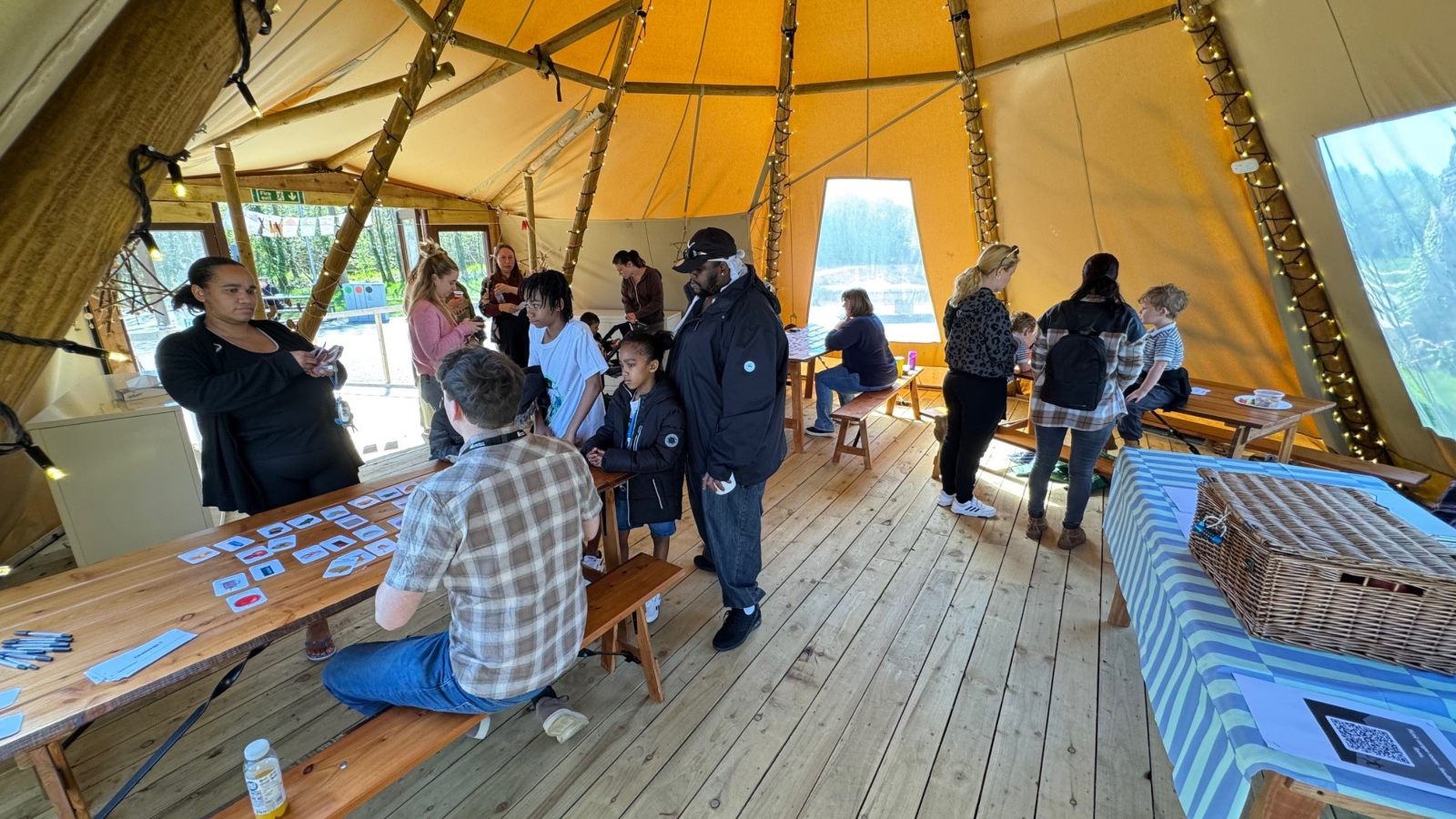
A series of food education sessions taking place inside the UON Tipi
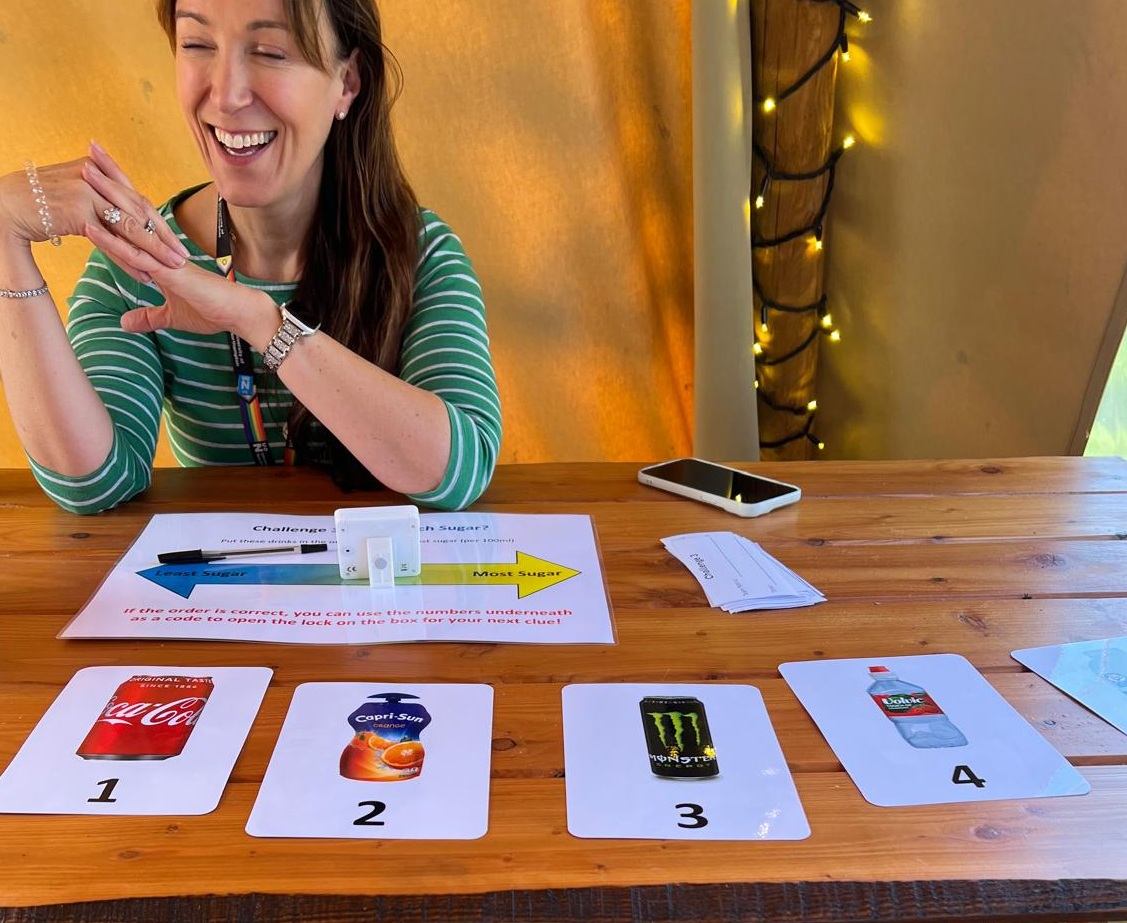
A sugar education challenge regarding several popular drinks.
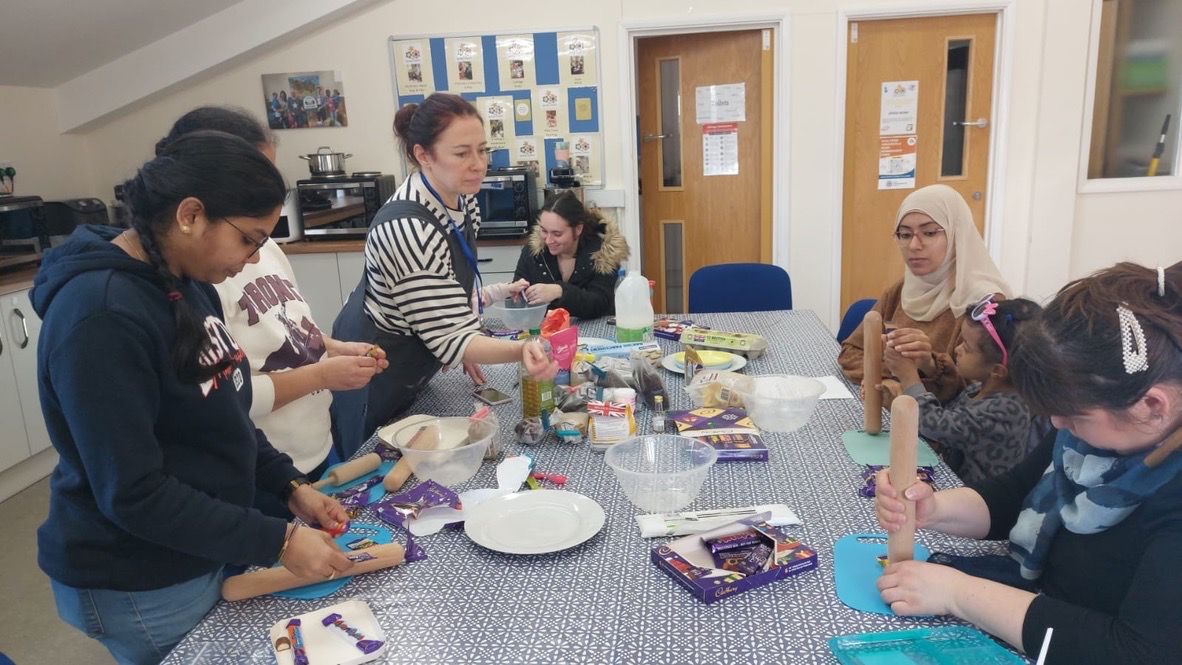
A team of workshop colleagues getting cookery sessions.
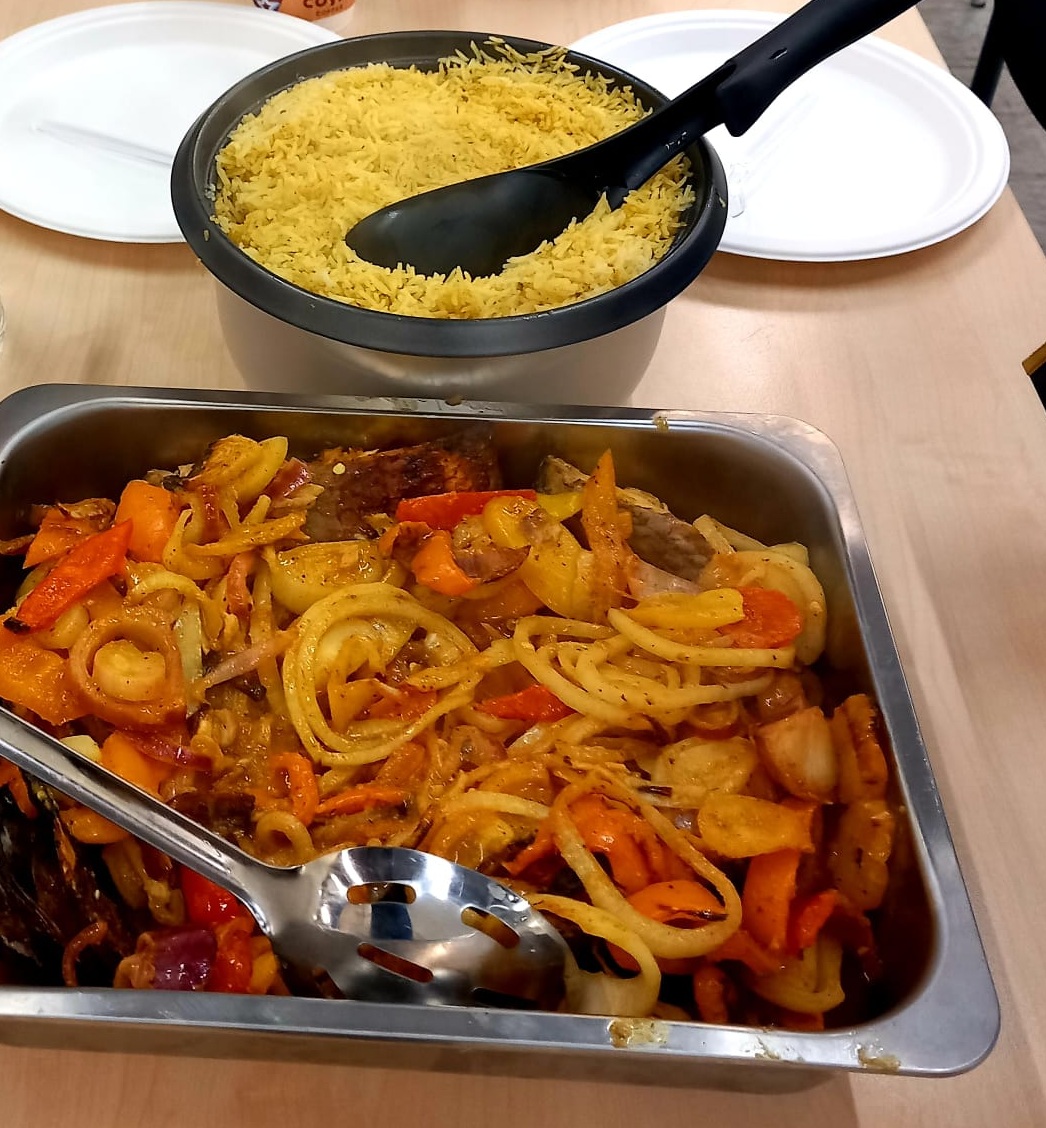
Some of the meals cooked as part of the 50 Families project.
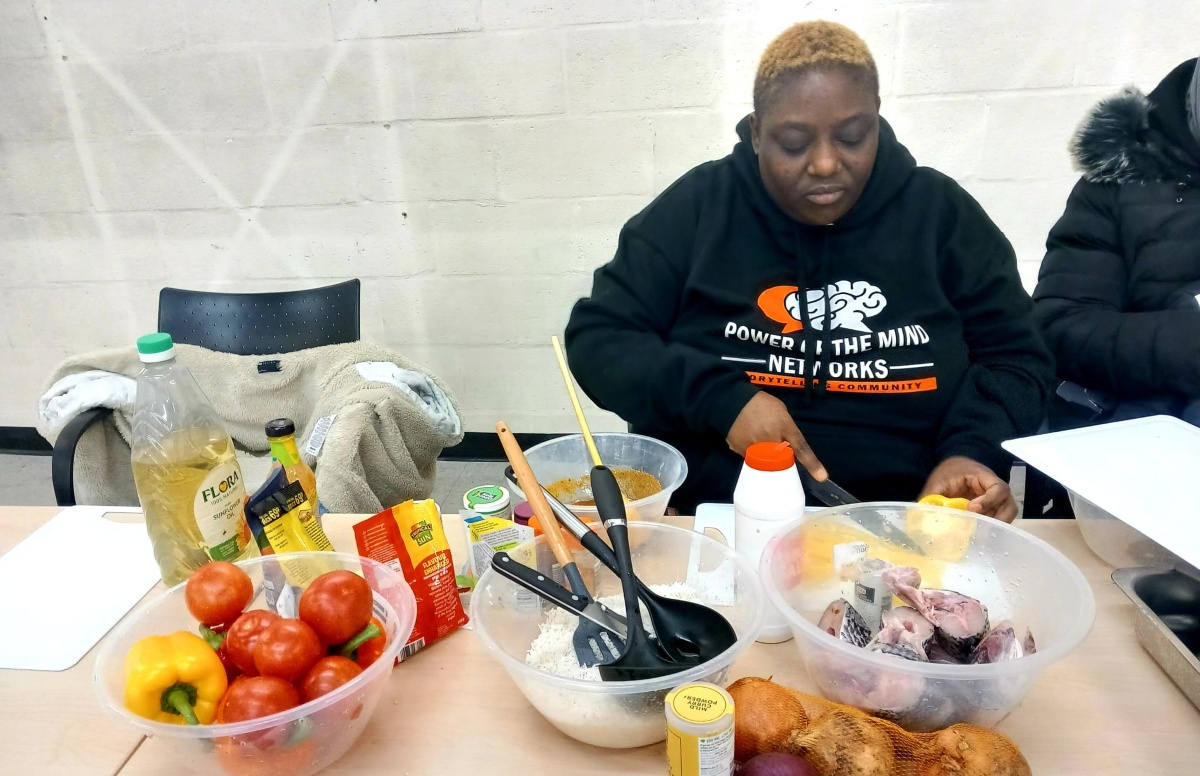
An individual chopping various products and adding them to a mixing bowl
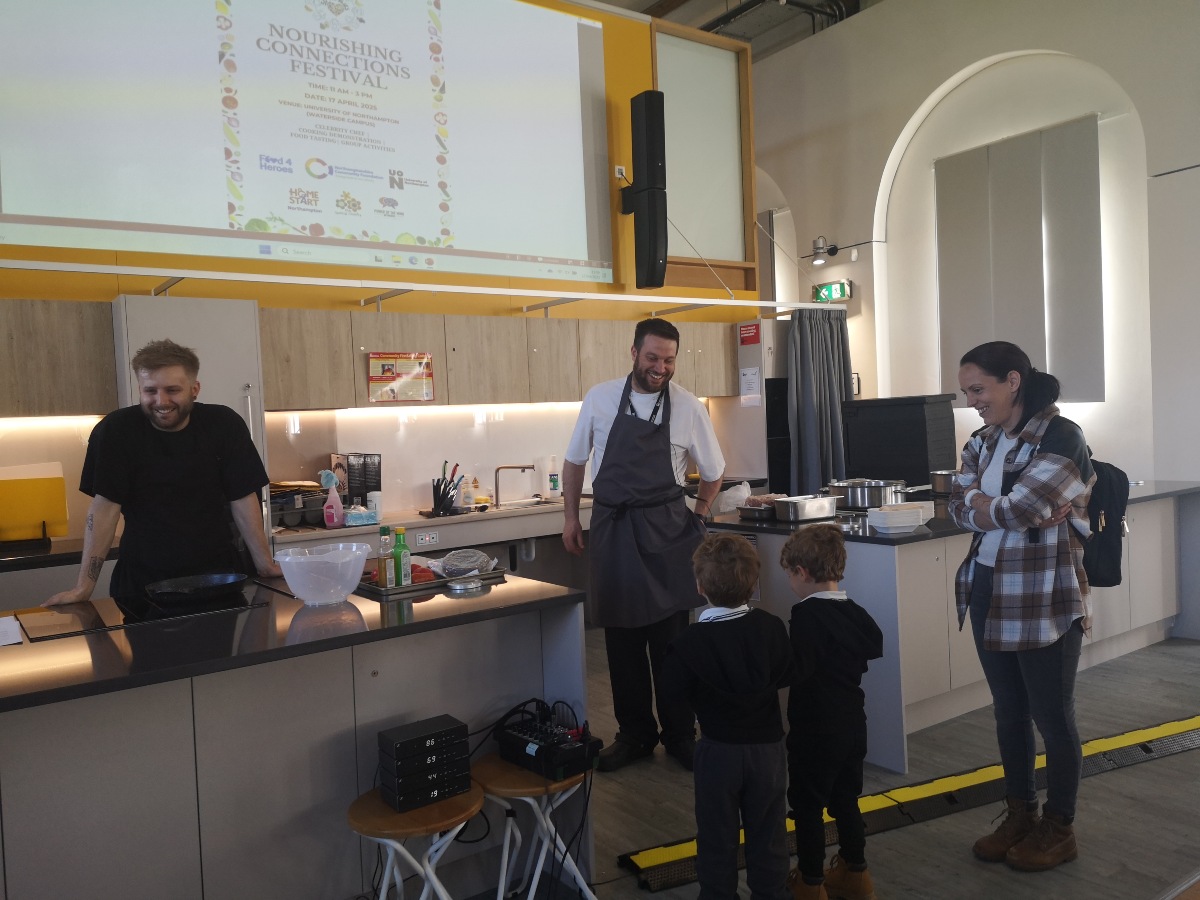
Families arriving at the Community Kitchen at UON
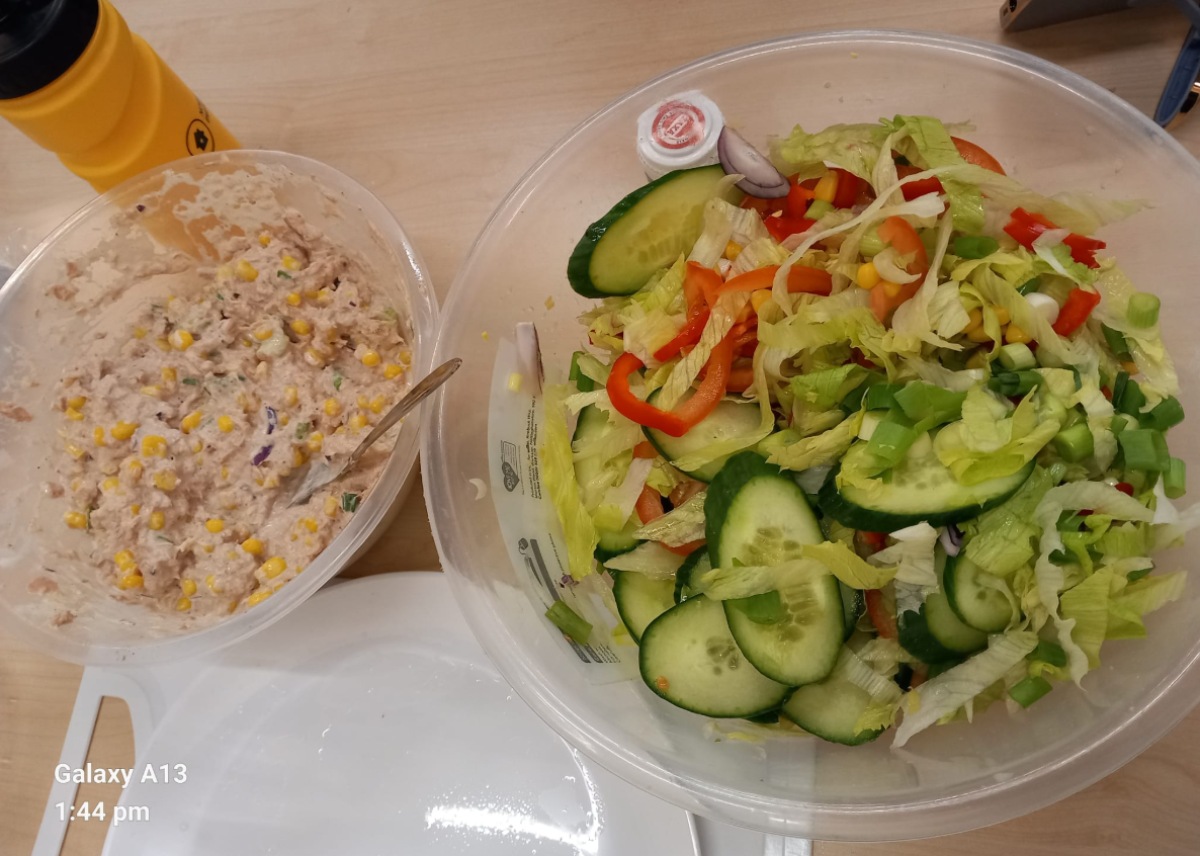
Tuna and Sweetcorn with salad in two mixing bowls.
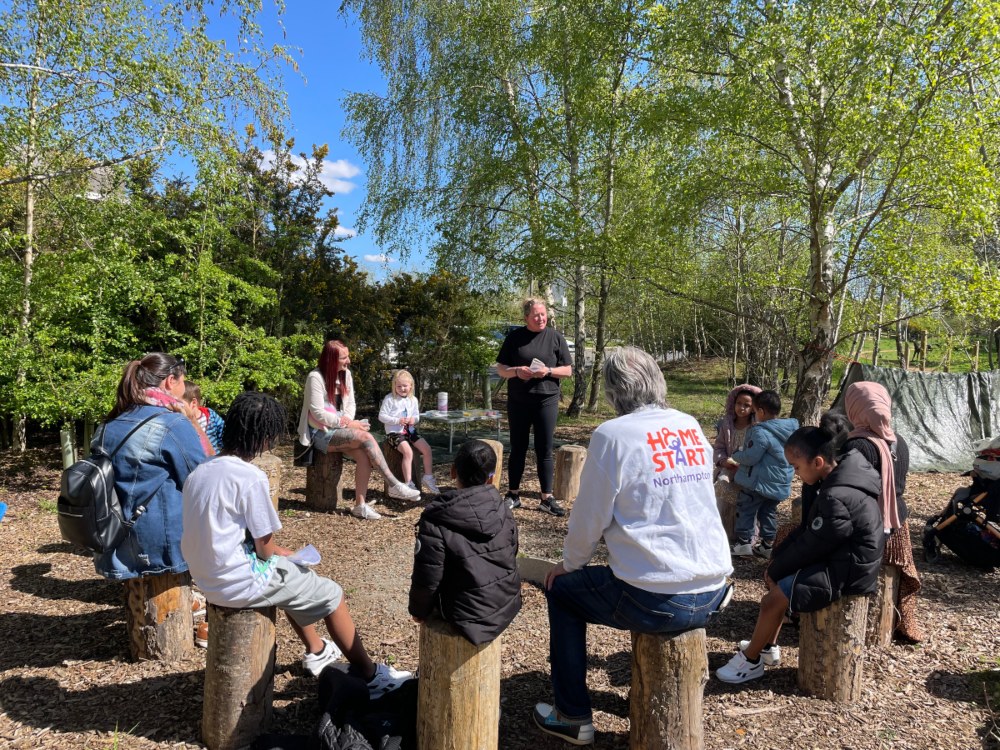
Home Start Northampton leading a workshop outdoors.
Home-Start Northampton
 Home-Start Northampton* is part of the national Home-Start network that offers volunteer, group, virtual and intensive support to families with at least one child under five. Weekly support is offered within the home or community setting, providing practical help, emotional support to create a stable and nurturing home environment and to enable children to thrive. Support aims to strengthen parent’s confidence, reduce isolation and improve family well-being, particularly through challenging times such as bereavement, mental health issues, or financial pressure. Home-Start group support offers a welcoming space for parents and children to connect, share experiences, reduce isolation and receive practical help through themed sessions and peer support.
*In 2026 Home-Start Northampton will become Home-Start West Northamptonshire.
Interventions delivered included:
- Online activities: Weekly challenges, recipe/photo sharing, and educational posts, with daily staff engagement to keep families active.
- Face-to-face delivery: 12 group sessions for parents and children, plus 6 cooking sessions focused on simple, affordable recipes.
- Volunteer support: 12 families received six months of tailored help, including cooking on a budget, managing food aversions, and building healthy routines.
- Shared meals: Families prepared cultural dishes at home, then shared their recipes and photos digitally, fostering pride and cultural exchange.
- Child-focused activities: Play-based interventions (messy play, mystery boxes, simple bread and soup packs) built food familiarity and confidence.
Power of the Mind Networks
 Power of the Mind Networks is a charity that is dedicated to social inclusion, particularly for women at risk of marginalisation, using storytelling and shared experience to build confidence and community. The organisation works to challenge social and cultural stigma through dialogue, creative expression, and oral history, especially within ethnic communities. Alongside this, it offers practical weekly activities that strengthen wellbeing and connection, including Tuesday arts and crafts sessions; Thursday health and wellbeing sessions led by professionals who raise awareness of medical conditions and provide group exercise; and Saturday cookery sessions where participants learn to prepare a variety of African dishes. These activities help women find their voice, develop new skills and build supportive networks.
Interventions delivered included:
- Group cooking and shared meals, with families preparing dishes that reflected their cultures and traditions, including plantain, cassava, chicken breast, sweet potatoes, potato wedges, sausages, fish and wraps.
- Equipment-led learning with air fryers as the central tool, demonstrating how to prepare healthier meals quickly and with less oil in small kitchens. These air fryers were donated to the 50 Families Project.
- Budget-focused cooking: sessions emphasised making healthy meals cheaply while improving knife skills, seasoning, and portioning.
- Cultural inclusivity: families were encouraged to shop at local ethnic grocers, adapt recipes, and share their food stories.
- Child and youth engagement: hands-on preparation and tasting help children build confidence in trying new foods.
- Community support: the sessions created a space where families could share challenges such as housing, finances, or domestic abuse.
- Movement and play: dancing and active games linked food workshops to physical activity and wellbeing.
The Spring Charity
 The Spring Charity is a small, community-based organisation located in the heart of Spring Boroughs Northampton, dedicated to supporting local families—particularly those with young children. The charity works to reduce isolation, improve wellbeing, and provide practical support through a wide range of inclusive and accessible services. These include early years stay and play, music and gardening groups, parenting programmes, family support sessions, mental health, healthy eating and wellbeing workshops, and skills-based courses such as cooking, crafts, and employability training. Everything offered is designed to build confidence, connection, and resilience, helping families to thrive and grow together, especially in areas of high deprivation.
Interventions delivered included:
- Cooking workshops (monthly, term-time): small groups of 10 families at a time with families receiving recipe cards and ingredients to take home.
- Healthy eating embedded in daily life: 240 breakfast club sessions, weekly lunch club, seasonal food boxes, and healthy packed lunches for trips.
- Digital engagement: two WhatsApp groups with weekly recipe sharing, competitions, and discussions (52 activities across the year).
- Practical resources: provision of air fryers, cooking charts, takeaway boxes, and baby air-purifying plants symbolising growth and a fresh start.
- Family wellbeing: the park passport encouraged affordable physical activity; stay-and-play sessions and allotment gardening linked food with play, exploration, and nature.
- Ongoing support: access to family support workers for 1:1 guidance, plus trips and community activities to reduce isolation.
Supporters
The organisations below provided support to the 50 Families project to enhance the lives of local people by finding solutions to long term food-related challenges.
Northamptonshire Community Foundation
 Northamptonshire Community Foundation is an independent grant‑making charity dedicated to promoting and managing local philanthropy. It works with donors to fund community projects that address pressing issues across the county.
Food4Heroes
 Food4Heroes began during the first wave of the COVID‑19 pandemic, when its founders mobilised furloughed catering staff to prepare meals for NHS frontline workers. It now focuses on helping to alleviate food poverty by supporting foodbanks and providing nutritious food to individuals and families in need, as well as offering information on healthy eating.
Below are some suggestions for how to run a similar project focused on healthy food and lifestyle changes. These points worked well for the three charities involved in the 50 Families Project.
- People: kind facilitators; parent champions; safeguarding-ready team.
- Place: small groups; real kitchens; child-friendly corners.
- Practice: quick recipes; take-home kits; monthly cook-together; weekly online challenges.
- Pride: celebrate attempts; share stories; community showcase; mini certificates.
- Pathways: warm referrals at the session; follow-up texts; track outcomes.
-
Safe, welcoming delivery
- Establish a non-judgemental tone from first contact; use plain, friendly language across flyers, online and in-person intros.
- Keep group sizes small; offer creche or play corners and flexible session times (e.g., school hours plus a weekend or evening slot).
- Use icebreakers built around food (e.g., taste tests, mystery box, family recipe share).
2. Hands-on cooking that fits real life
- Teach 30–40-minute, low-cost recipes using common kit (e.g., air fryer, hob) and supermarket basics.
- Provide take-home cards, ingredients, and labelled storage boxes.
- Include child roles in every session (e.g., chop, measure, stir) with child-safe knives.
3. Equip homes to reduce barriers
- Starter kits: air fryer or slow cooker (one per family where feasible), measuring cups, chopping boards, containers, thermometer, child-safe knife.
- ‘Cook once, eat twice’ templates; freezer labels; portion visuals.
4. Digital peer support that actually runs
- Set up moderated onlinegroups per site; post 3–4 times weekly (e.g., recipes, supermarket deals, polls.
- Run light-touch challenges with small prizes (e.g., lunch boxes, hand blenders).
- Agree simple group rules (kindness, safeguard concerns).
5. Culture and inclusion
- Invite families to choose recipes; adapt for faith, allergies, sensory needs; map local ethnic heritage grocers.
- Celebrate cultural dishes; spotlight healthy swaps without losing identity or flavour.
6. Food as an opening for wider help
- Co-locate 10-minute drop-ins (e.g., debt advice, English language support, NHS and wellbeing support).
- Use ‘warm referrals’ from trusted staff after sessions.
7. Movement add-ons
- Build 10–15-minute movement blocks (e.g., chair dance, family games) into food sessions.
- Partner with leisure trusts for £1 passes or family tasters.
8. Continuity
- Monthly cook-togethers with full kitchen access (book community kitchens/college kitchens).
- Termly celebrations (cookbook pages, certificates, showcase meal).
- 50 Families: Nourishing Connections – A community-university partnership for healthy eating and lifestyle transformation.
- From our family to yours – Recipes and healthy living tips.
Contact us
Research Principal Investigators:
- Dr Helen Caldwell – Associate Professor in Education: helen.caldwell@northampton.ac.uk
- Dr Emel Thomas – Senior Lecturer in Education: emel.thomas@northampton.ac.uk
Partner Organisations
- Home-Start
- Power of Mind Networks
- The Spring Charity
- Northamptonshire Community Foundation
- Food4Heroes
News coverage