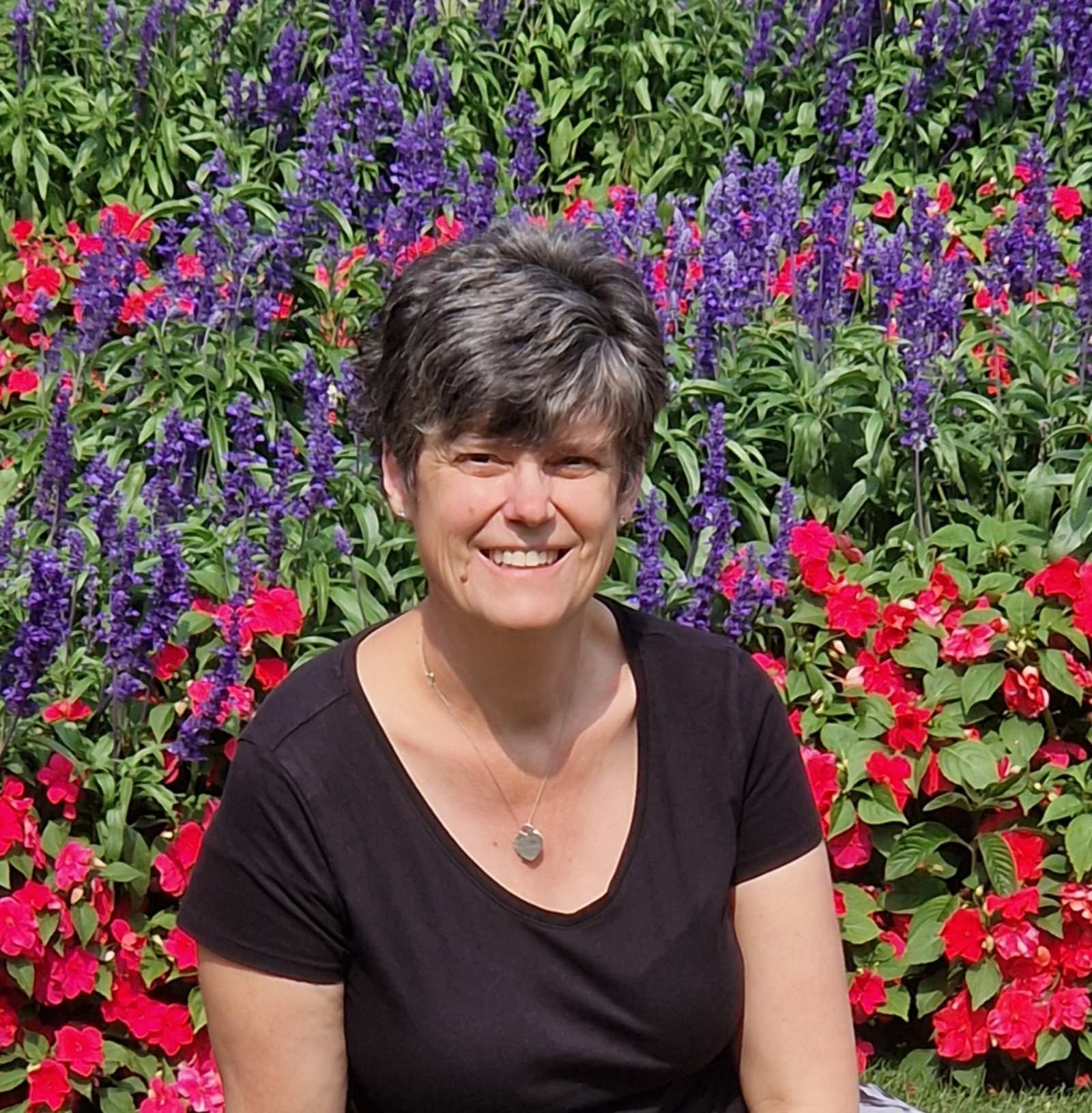
A University of Northampton (UON) academic is preparing to roll-out a way to help young children communicate better by using the nursery environment to maximise their development.
Dr Tanya Richardson’s doctoral research has found that in nursery environments, children’s communication and language development can be enhanced through effective use of the environment.
A child-led, sensory-rich approach fosters a greater sense of freedom and excitement, significantly improving communication skills and vocabulary.
Dr Richardson has taken these findings and created a toolkit (‘EASAL’) for early years practitioners to use to ensure their care and learning activities are enriching and impactful.
Dr Richardson recruited UON MSc Psychology student Brogan Read as a research assistant to interview staff and gauge how useful EASAL is for younger children and babies.
Brogan found that, with a few minor edits to the text to ensure it properly reflects the wider age group, the toolkit still works for ‘atypical’ (i.e. non-special education needs or non-neurodivergent) babies and young children.
Brogan also found that the toolkit helps to encourage staff to reflect on how they have set up their play and learning spaces and why they do this to maintain the high-quality provision at Childbase.
Tanya said: “The findings Brogan has helped reveal are essential because now we have the evidence that shows that the EASAL toolkit works up until children are five years old. This means that, for many more ‘atypical’ children, the toolkit is ready to be used to help them and other early years practitioners.
“Perhaps the most important takeaway from this work is also the simplest. Strong communication development does not depend solely on carefully designed environments, nor does it require expensive resources or perfect conditions. Instead, it is built through relationships and the EASAL tool supports this at the same time it helps babies and young children find and explore their ‘voice’.
“The next stage is to see if that works with children with special educational needs, or children with English as an additional language, or non-nursery settings – the applications for EASAL are vast.”
Find out more about Tanya’s research.
Notes to editors
Tanya’s research was originally supported by a Knowledge Transfer Partnership with Childbase. This latest phase was made possible thanks to investment and support through an ‘Internal Funding call’ at the University.