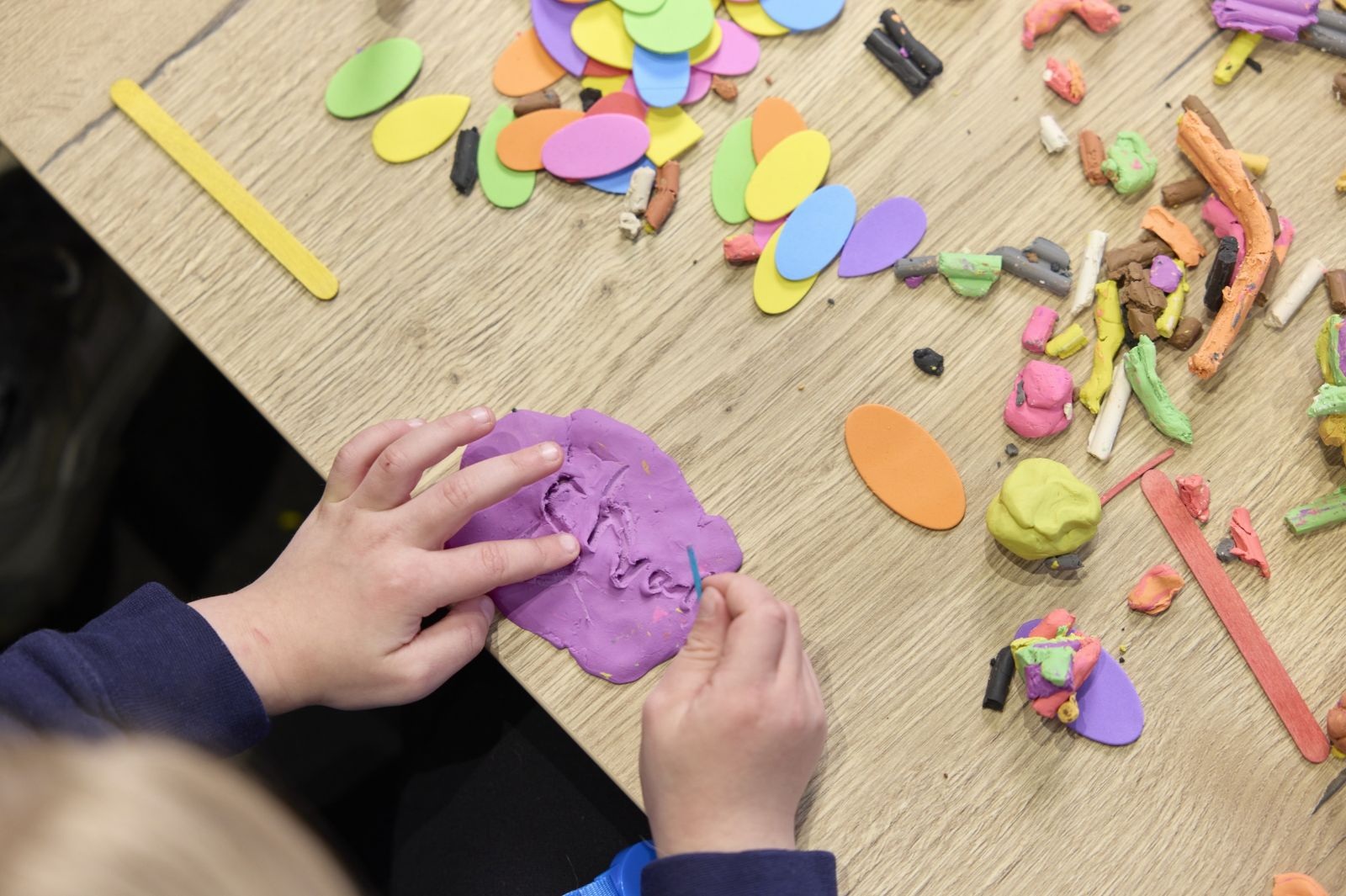
Research from University of Northampton finds that professionals working with children have a strong and consistent understanding of the importance of play.
The research – in collaboration with Nottingham Trent University – also finds that these professionals face significant challenges in putting that knowledge into practice.
The study captured the experiences of professionals who work with children from birth to eight, including nursery leaders, headteachers and playworkers.
The findings reveal striking agreement about why play matters. Ninety-nine per cent of respondents agreed that play develops children’s social and emotional skills.
The research also found that 98% of respondents said observing children at play shaped their professional understanding, compared with 83% for professional training and 61% for the curriculum within which they worked.
While 81% of respondents rated an adult’s understanding and valuing of play as one of the most important conditions for successful play, adult involvement and facilitation was rated as most important by just 25%.
The researchers identified a significant gap between professional understanding of play and the conditions in which professionals are expected to put that knowledge into practice:
- Curriculum pressure emerged as a dominant barrier
- Concerns about workforce knowledge and stability, resources and funding, and wider misunderstanding of play
- The role of the adult remained more contested, particularly around the balance between supporting children’s play and knowing when to step back.
The report sets out three recommendations:
- Investment in professional knowledge and culture, including addressing pay and contractual stability, strengthening continuing professional development and developing professional learning communities.
- Structural conditions and assessment measures which reduce play to a compliance activity to be removed or substantially revised and extending play entitlement beyond into Key Stage One and ensuring that inspection recognises child-led practice and practitioners’ depth of knowledge as evidence of quality.
- Greater shared understanding of play beyond early childhood and play work professions, strengthening the evidence base for play within education and developing accessible resources for families in partnership with settings.
David Meechan, Senior Lecturer in Education, said: “This research shows that the challenge is not convincing professionals that play is important. They already know that it is. The real challenge is ensuring that professionals have the time, resources and policy environment needed to support play. This must become a priority if we want children, and those that work with them, to thrive.”