A University of Northampton student is using his final-year film project to raise awareness of life-saving CPR skills, inspired by a deeply personal family experience.
Mackenzie Pengelly, who studies Creative Film, Television and Digital Media Production at the University, has produced a dissertation film focused on cardiac arrest response and public understanding of CPR.
Cardiopulmonary Resuscitation (CPR) is a life-saving emergency procedure performed when someone’s heart stops beating, combining rescue breaths and chest compressions to maintain blood flow to vital organs. CPR is a critical life-saving procedure that can double or triple a cardiac arrest victim’s chance of survival.
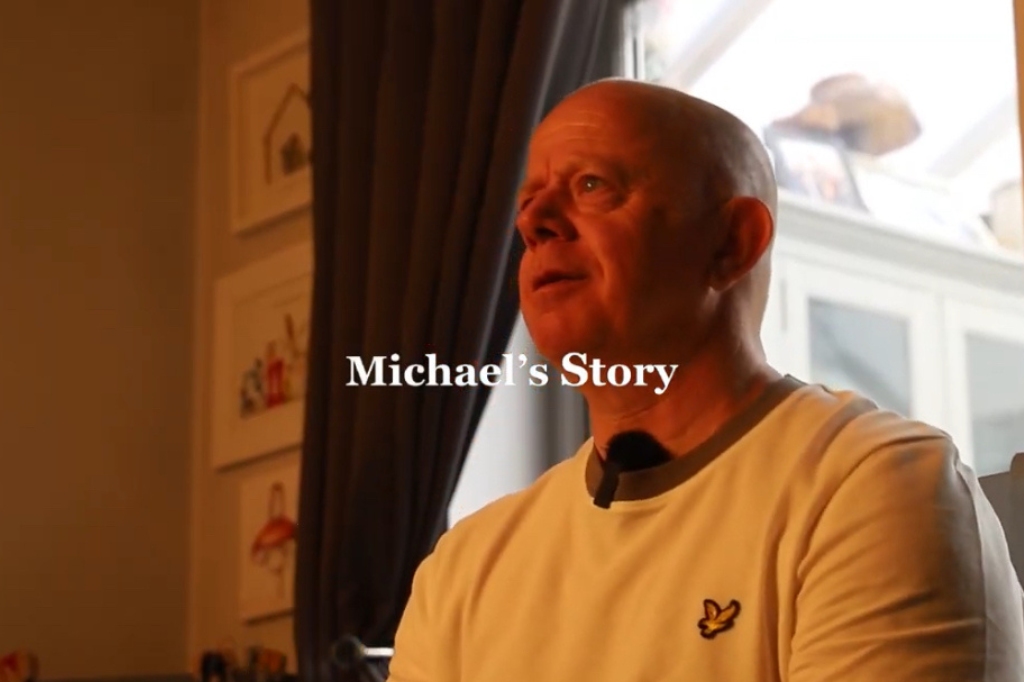
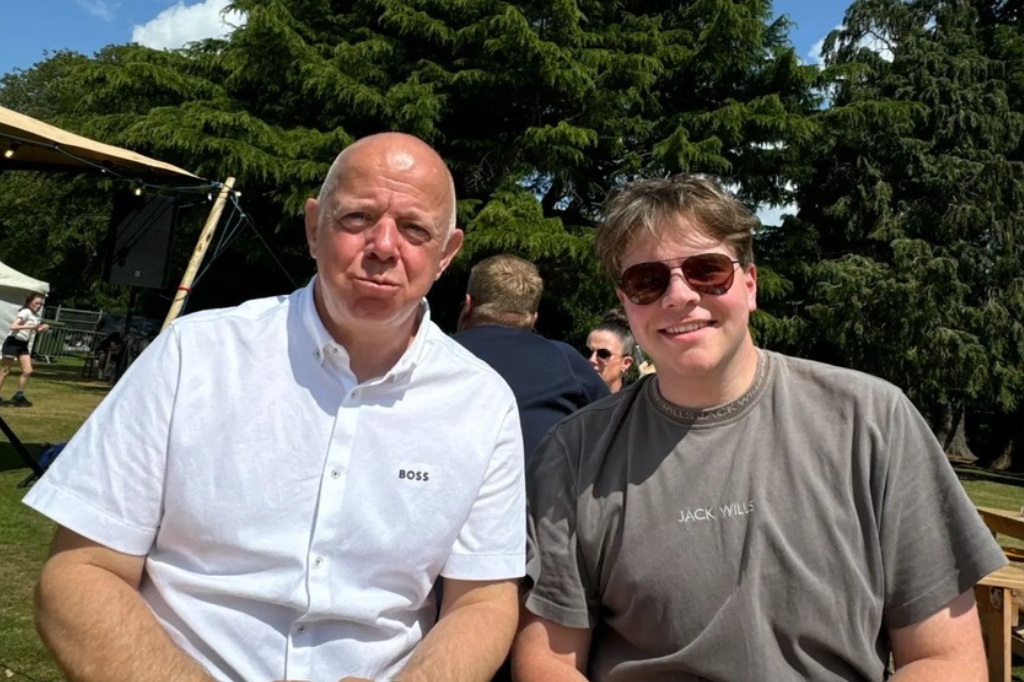
Mackenzie’s project was motivated by a life-changing moment when his father survived a cardiac arrest thanks to the quick actions of bystanders.
“A few years ago, my dad had a heart attack, suffering a cardiac arrest in nearby Sharnbrook,” Mackenzie explained. “Luckily, the people that were there did CPR and used a defibrillator – which resulted in my dad surviving, and still being here today to tell the tale.”
The experience shaped both the emotional core and purpose of his film, transforming it from a standard academic project into a campaign for greater public awareness.
As part of his research, Mackenzie conducted a survey of around 100 participants, revealing a concerning gap in public knowledge. While many respondents expressed willingness to help in an emergency, few felt confident in their ability to perform CPR.
“I wanted to create a film on a topic that means a huge amount to me,” he explains. “To discover in my research there’s very few people who have had experience of performing CPR – and even fewer who actually knew exactly what to do – was a real eye-opener.”
The film also examines how CPR is portrayed in popular media, where unrealistic depictions can lead to misunderstandings.
“Most TV shows give one thump on the chest and everyone’s okay, which isn’t accurate,” he added. “If the people who acted fast to help my dad had simply recreated what they had seen on television, my dad wouldn’t be here today.”
Through interviews with his father, the individuals who helped save his life, and others with real-world experience, Mackenzie aims to present a more honest and impactful portrayal of emergency response.
Importantly, the film is not intended to criticise those who lack training, but instead to encourage people to take action.
“If you don’t know how to do it, it’s totally fine – but learn,” he encourages. “People say they would do anything to save someone, but would you take time out of your day to learn how to save them?”
Mackenzie is also hoping to collaborate with the British Heart Foundation to strengthen the film’s message and ensure medical accuracy, with support from University of Northampton lecturers helping to facilitate connections.
This final-year project reflects the University’s emphasis on combining creative practice with real-world impact. Mackenzie, who chose to study in Northampton to stay close to home and expand his career opportunities in film, says the course has allowed him to explore meaningful storytelling.
Deputy Head of the School of Culture and the Creative Industries, Dr Anthony Stepniak, said: “Mackenzie’s final major project is a shining example of how innovative our students are here at the University of Northampton.
“Most importantly, his film demonstrates the vital transferable skills we equip our students with to make an impact on the world around them, with the potential to change – or even save – lives.”
With a final-year film screening taking place tomorrow (Friday 29 May 2026) at Northampton Filmhouse, Mackenzie hopes his film will inspire audiences not just to watch, but to have the confidence to act.
His message is clear – learning CPR takes minutes, but it could save a lifetime. And for Mackenzie, that’s more than a statistic. It’s proof that anyone, at the right moment, has the power to save a life.