level:PG;top_up:false;international:true;foundation:false;clearing:false;full_time:true;part_time:true;start_month:September, February;location:Waterside
Computing (Software Engineering) MSc
Key Facts
-
Duration
Full Time: 1 year
Part Time: 2 years -
Level
Master'sPG MSc
-
Full Time: £8,700
Part Time: £967 per 20 credits -
Full Time: £19,000
Get in touch
UK STUDENTS ENQUIRIES
study@northampton.ac.uk
0300 303 2772
INTERNATIONAL STUDENTS ENQUIRIES
Updated 18/03/2026
Overview
Study the design of software systems at a greater depth with the University of Northampton’s Computing (Software Engineering) MSc course. Alongside exploring areas of computer software engineering, you will also have the opportunity to develop your analytics and research skills during this Computing master’s degree. Students will complete an individual thesis which will investigate an area they find of particular interest.
Highlights
- The Computing (Software Engineering) MSc degree involves object-oriented design and development..
- Practical real-world projects.
- Agile software methodology.
- Core computing fundamentals.
- Flexible part time study option on the computing software engineering degree.
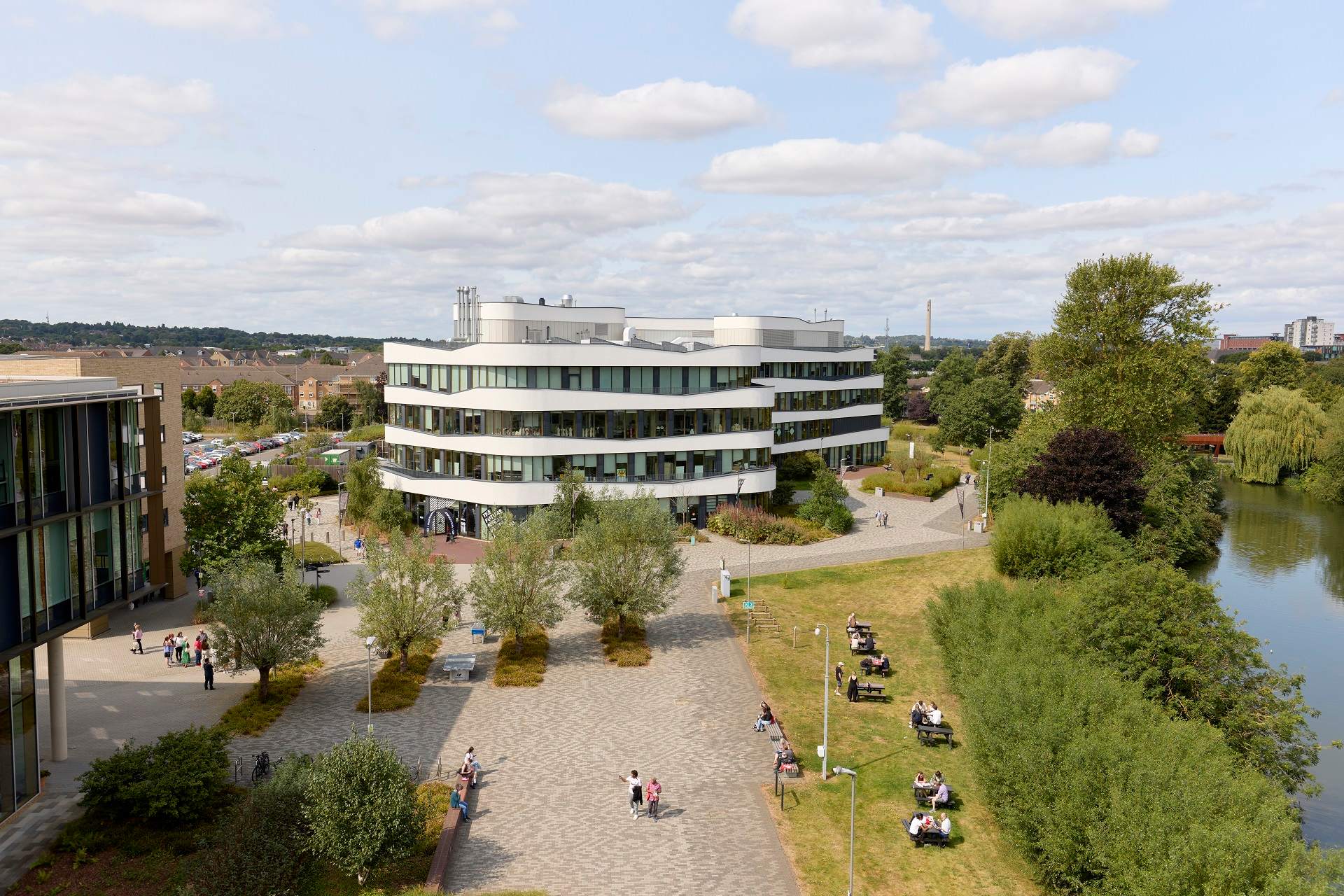
Image shows aerial view of the Creative Hub; a modern, curved building surrounded by greenery, paths, and people sitting or walking near a river on a partly cloudy day.
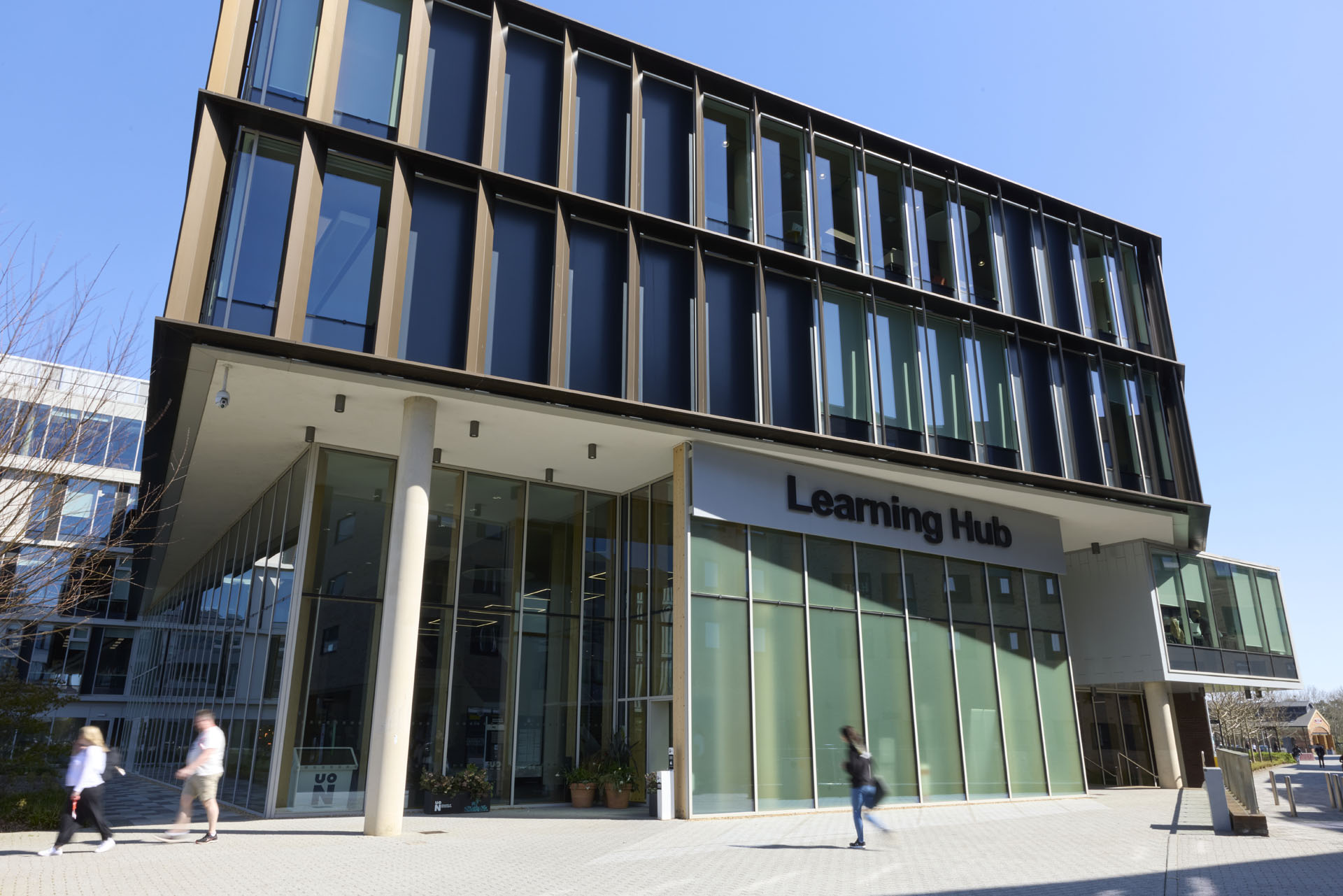
Image shows the main entrance to the Learning Hub, which is a large, multi-storied building with many large windows, with ‘Learning Hub’ in large letters on the front. It is a sunny day, and several blurred people are walking outside.
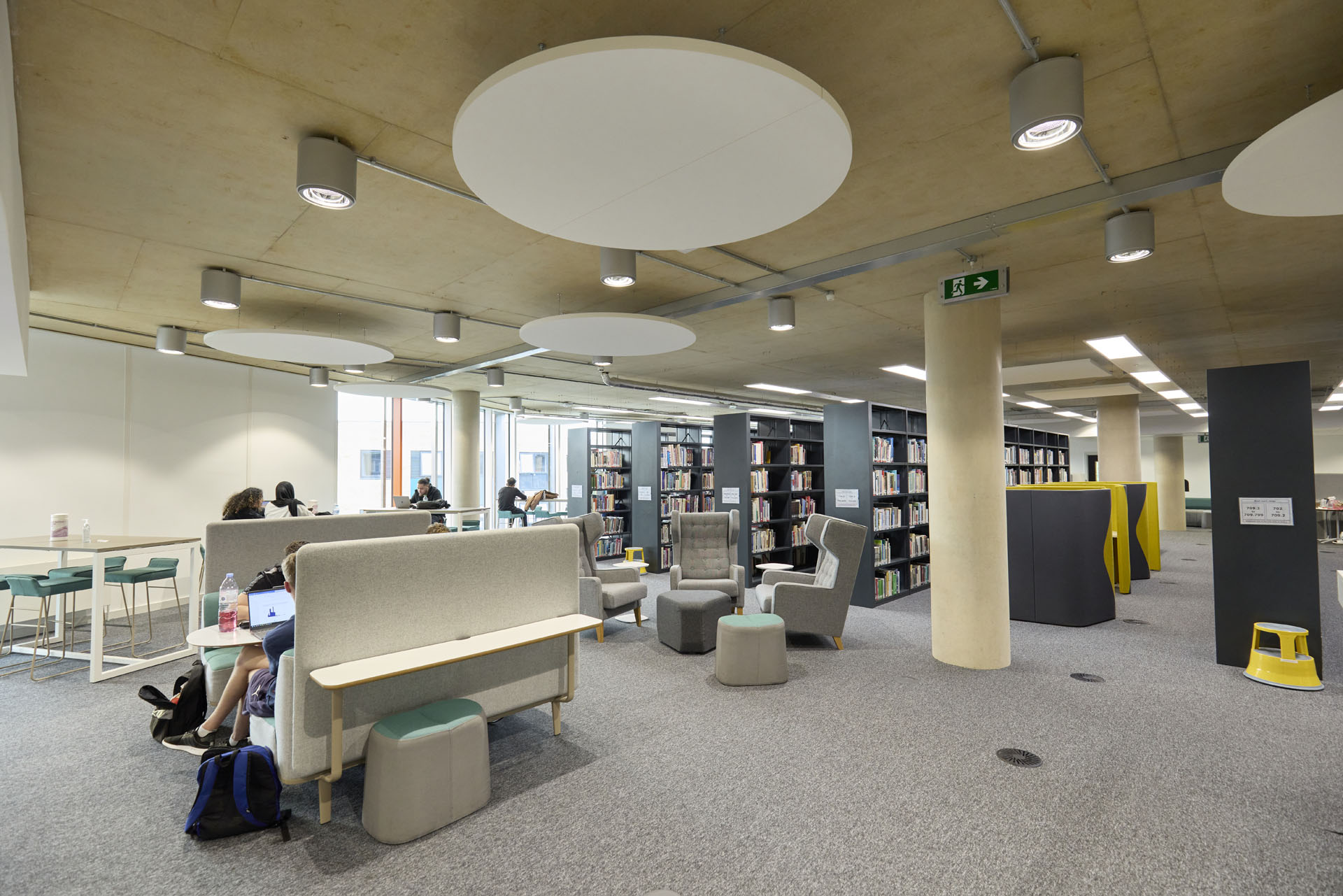
Image shows a modern library interior with people reading at tables and seated on cushioned chairs in the Learning hub. Shelves filled with books are visible in the background under circular ceiling lights.
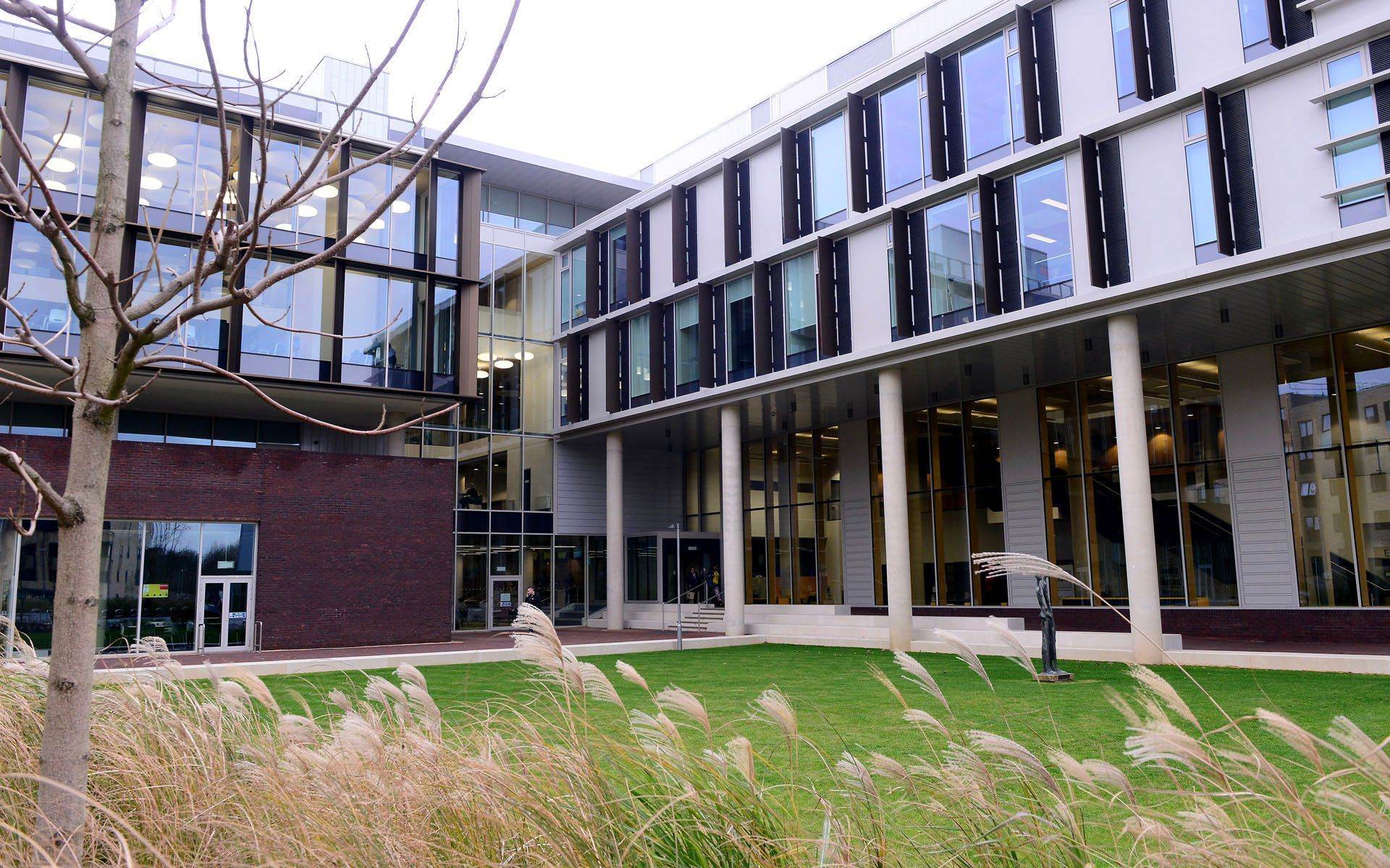
Image shows view of the lawn and courtyard outside the Learning Hub, featuring a bare tree, ornamental grasses, and an abstract sculpture. The building has several stories and features large windows.

Image shows the ground floor of the Learning Hub; it is a large, modern atrium with high ceilings, a large clock on the wall, turnstile gates, and an angular black staircase. A student carrying a backpack is walking through the space.

Image shows a large, modern lobby with high ceilings, circular light fixtures, and an upper floor visible. People are sitting on yellow seats and moving around. Stairs and a black staircase are also present.
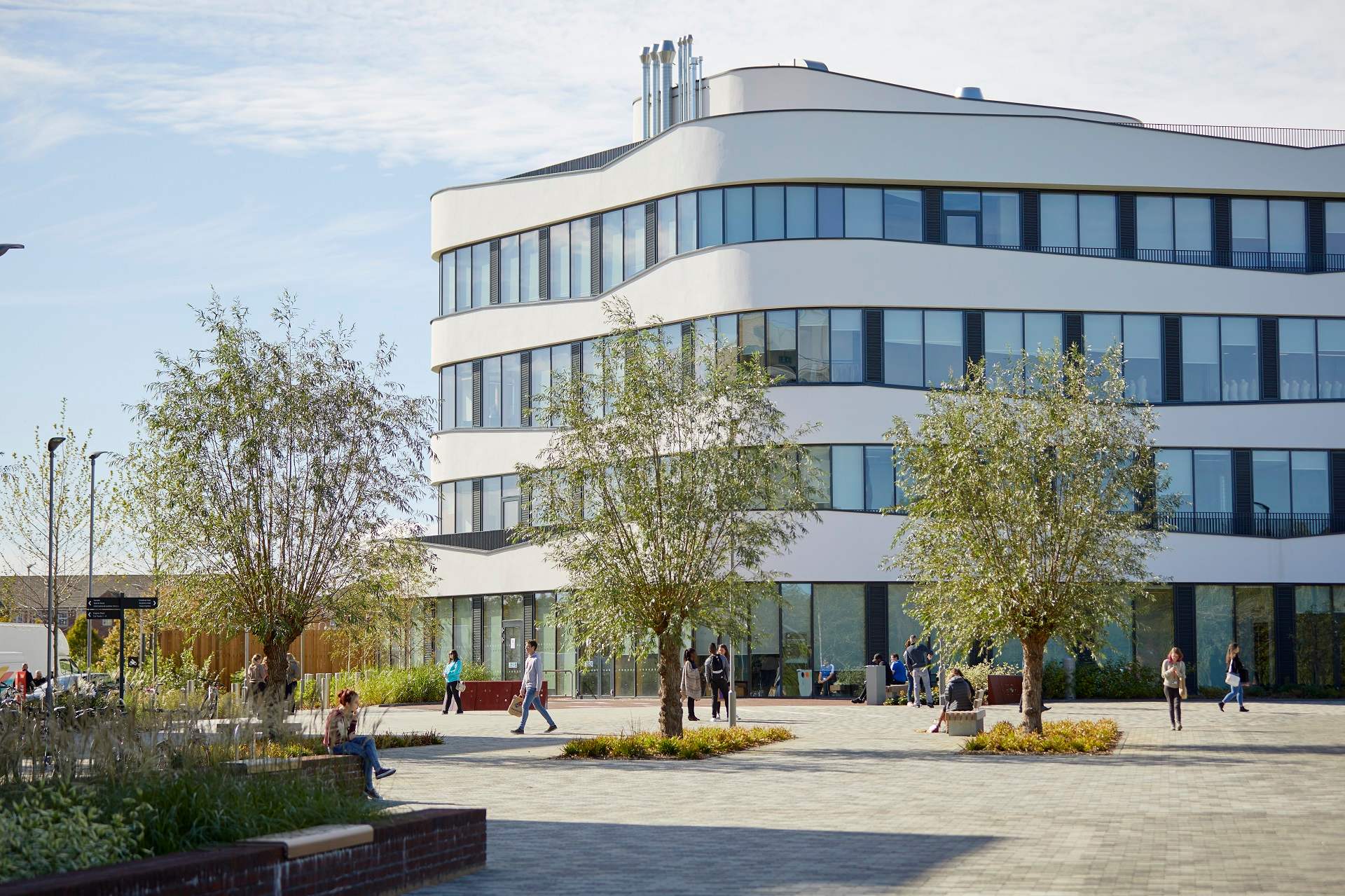
Image shows external view of the Creative Hub, which is a large modern multi-story building with curved design, large windows, and white façade. In front of the building, people walk and sit on a landscaped plaza with trees and benches.
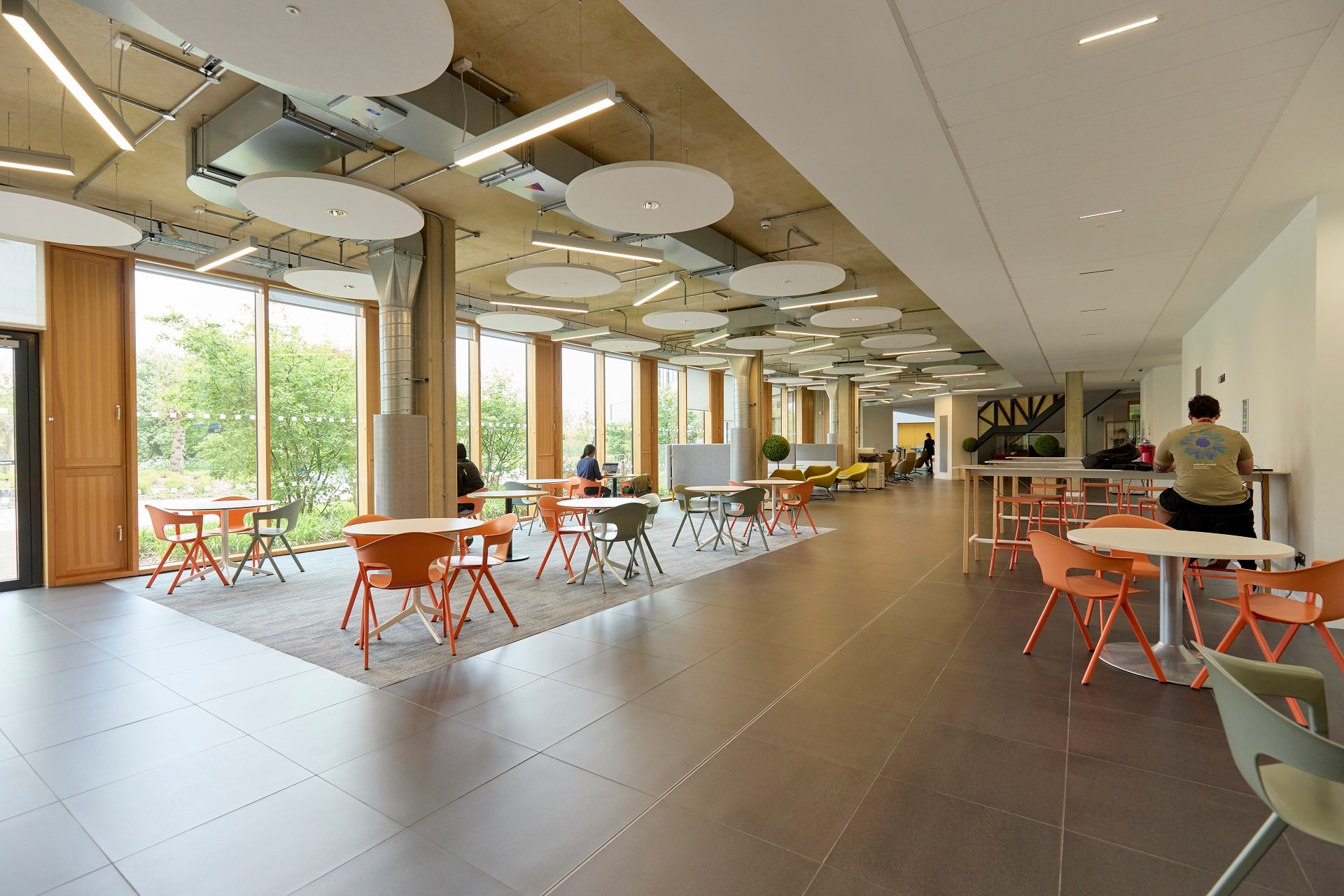
Image shows a study area on the ground floor of the Creative Hub; it has bright and modern with large windows, light fixtures on the ceiling, colourful chairs, and students seated at tables.
Entry Requirements
Applicants for the master’s in Computing (Software Engineering) will normally hold a recognised first or second class honours degree from a UK university or international equivalent in a relevant subject. We expect that you will have a working knowledge of computers and networks and it is essential that you have practical hands-on experience of at least one programming language.
For information on how to apply to study with us, please see our How to Apply page.
All International and EU students applying for a course with us must meet the following minimum English language requirements:
- Minimum standard – IELTS 6.5 (or equivalent)
for study at master’s level.
For information regarding English language requirements at the University, please see our IELTS page.
Upcoming Open Days
Open Days give you the best experience and insight to courses, people and facilities that interest you. Make your choice easier and come meet us.
Book Now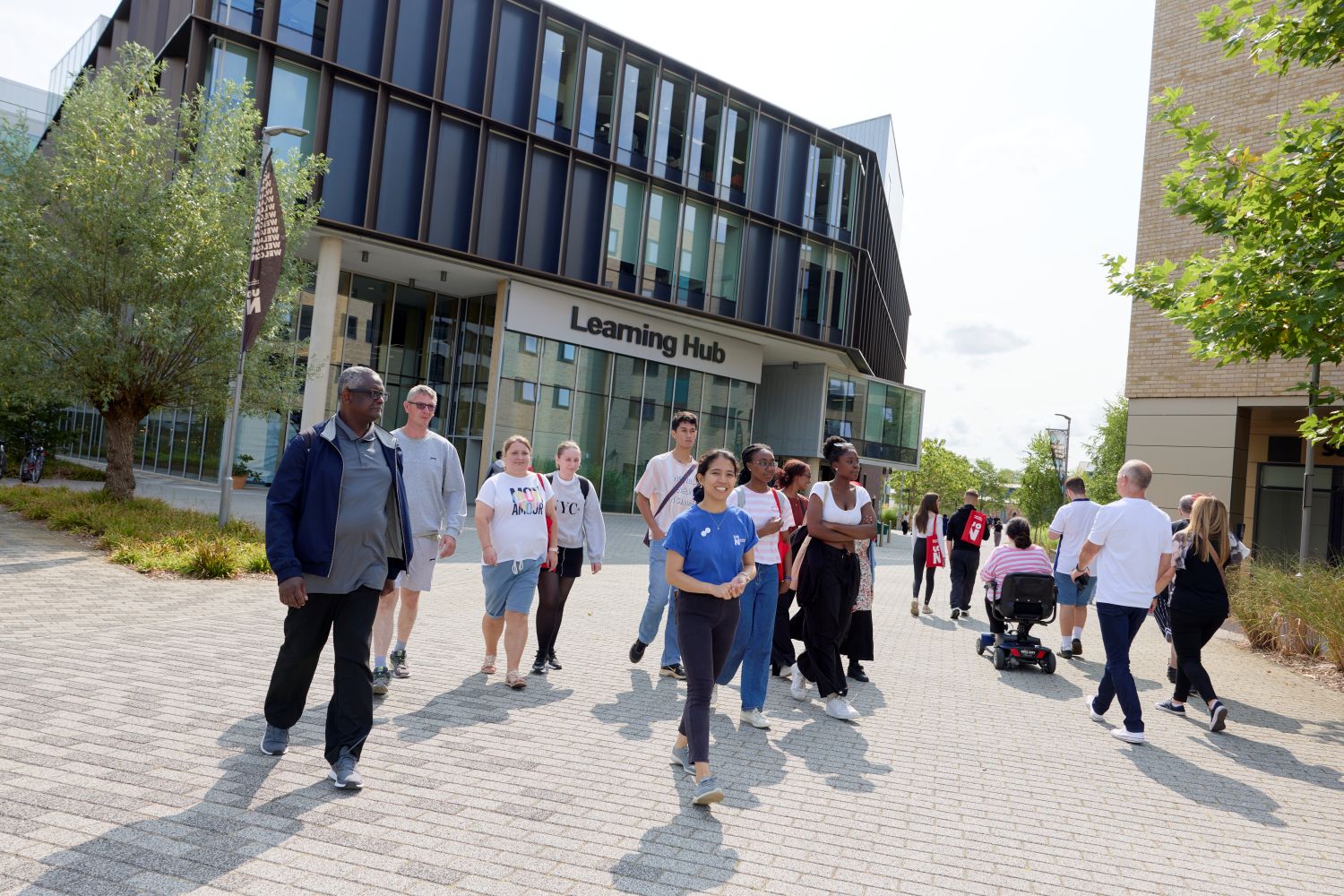
What You'll Learn
There is a huge demand for software that communicates effectively with a number of devices. As a result, there is a need for qualified and skilled professionals who can design, develop and analyse software to improve our current provision. The University of Northampton’s Computing (Software Engineering) MSc will equip you with this expertise. Although this software computing master’s degree does have a technical focus, students will also develop their interpersonal skills and understanding of business context: both of which are vital to being able to problem solve in business.
On the software engineering masters, you will study six modules and complete a dissertation. Some of the optional modules are only offered according to staff availability and student numbers.
Compulsory Modules
Optional Modules
This module emphasises the importance of sound design using appropriate data modelling techniques (e.g. relational modelling, entity-relationship modelling).
This module provides the student with the opportunity to learn appropriate research techniques in order to carry out independent, relevant and in-depth research in a topic of specific interest.
This module concentrates on creating object-based solutions to software problems within a contemporary integrated development environment. It focuses on the concepts of object technology and the syntax and semantics of the underlying model while promoting good practice in software construction and testing.
This module will provide consolidation and an extension of the skills, understanding and knowledge derived from an earlier module. More advanced topics will be studied in pursuit of robust re-usable and sophisticated design mechanisms. The main aim of the module will be to study in depth some of the major aspects of the various Design issues which impact on the building of the software systems.
This purpose of this module is to consider the structure and behaviour of the various functional modules of the computer and how they interact to provide the processing needs of the user. This module covers systems ranging from PCs through multiprocessors with respect to hardware design and instruction set architecture.
To teach students the fundamental theory and practical applications of search methods and agents.The underpinning concepts will be introduced, followed by examples of how intelligent systems are used in applications on the Internet.
This module gives students a deeper understanding of the software, programming, design, specification, architecture, implementation and applications of distributed computer systems.
This module describes the way in which each media is stored and manipulated within a computer system. The module guides the student through the techniques used which are all demonstrated by practical examples.
This module focuses on creating client and server side software as well as web applications for the World Wide Web us. It concentrates on the technologies used to allow such software to be designed, implemented and deployed.
The module introduces the key concepts of Computer and Internet Security. The module is designed to provide the student with the necessary theoretical and practical understanding of the technology available to manage and implement secure computer applications in an Internet environment.
This module is designed to give the student an awareness of programming using a commercially available portable language. Experience will be gained to understand and implement graphic applications, consisting of two-dimensional graphics, three-dimensional graphics and animation.
The module aims to: Provide the student with a comprehensive appreciation of the importance and process mechanics of requirements engineering and system specification. Present the student with an assortment of methodologies and techniques that will allow system analysis and development of sound system designs for a variety of applications.
The module aims to equip students with the concepts and techniques so they can begin as practitioners in formal methods software engineering.
Computer Networks module focuses on developing practical networking skills alongside deeper understanding of network principles and protocols (wired and wireless). Although the necessary background is introduced as appropriate, the course on the whole deals with problem-solving using current and emergent network hardware and protocols along with the development of applications to exploit these technologies
This module focuses on creating software for mobile computing devices. It concentrates on the necessary technologies used to allow such devices to communicate and how to develop software to allow them to do so.
Immersive Technologies
Code: CSYM031
Modelling for Serious Games
Code: CSYM032
Please note the modules shown here relate to the academic year 26/27. The modules relating to the academic year 27/28 will be available from June 2027.
How will I be taught on Computing (Software Engineering) MSc?
Alongside learning through theoretical lectures and seminars, this computing software masters degree course takes a hands-on approach. You will be able to utilise laboratory facilities and computer simulation tools to further your knowledge and reinforce it through case studies and practical examples.
What is the schedule?We have developed this software engineering msc course to be studied around other commitments and you may only need to attend the university for two days per week.
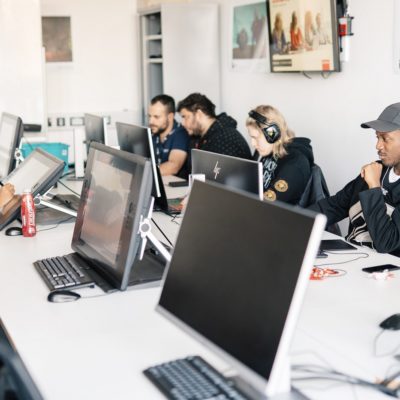
Are there any specialist facilities?Students on this software engineering masters course will be able to access around 150 Linux and PC workstation computers, along with digital projection facilities. These are housed across six bespoke computer laboratories which are maintained by two technicians.
To ensure our students receive personalised support, we only enrol a small cohort of students. This way, we can ensure you develop your skills and knowledge to your full potential.
Anas' story
“My study at UON really helped me to start a good career in the field of computer science.”

Fees and Funding
2026/27 Tuition Fees
- Full Time: £8,700
- Part Time: £967 per 20 credits
Fees quoted relate to study in the Academic Year 26/27 only and may be subject to inflationary increases in future years.
When assessing an applicant’s eligibility to pay home fees, we use the guidance provided by the UK Council for International Student Affairs (UKCISA) which sets out the regulations that have been decided by the UK Government Department of Education.
- Full Time: £19,000
Tuition fees quoted for International Students apply only to the 2026/27 academic year. These fees may increase in future years in line with Consumer Price Index (CPI) inflation to reflect rising delivery costs. Any annual increase will be capped at a maximum of 5% of the previous year’s tuition fee. Updated tuition fees will be published on the UON website at least three months before the start of the next academic year.
Additional Information
There are currently no additional costs anticipated for the Computing (Software Engineering) MSc course for 2026 entry.
If you are starting a master’s course in 2026/27 either full-time or part-time* you may be able to apply for a master’s loan through Student Finance England
*Please note that the maximum period of study allowed for part-time courses is two years.
For information on the scholarships available to you, please see our scholarships page.
For more information about possible funding options, please visit our Fees and Funding pages.
Fees quoted relate to study in the Academic Year 25/26 only and may be subject to inflationary increases in future years.
- UK – Full Time: £8,500
- UK – Part Time: £945 per 20 credits
- International – Full Time: £17,495
Careers and Employability
There is a high demand for well-trained individuals within the computing and broad IT industries. Graduates from our Software Engineering Computing master’s pathway will be able to pursue a range of careers, including the following roles:
- Information Technology Manager
- Chief Technology Officer
- Chief Information Officer
- Lead Information Architect
- Chief Information Security Officer/Analyst
- Information Security Risk Officer
- Project Manager
- Lead Web Programmer/Developer/Designer
- Lead Software Developer
- Information Security Consultant
- Cyber Security Manager
- Source Code Auditor
- IT Security Operations Specialist