Wastes Management

Course image

MSc

MSc Wastes Management and associated interim awards have been specifically designed to meet the needs and demands of the modern wastes management industry.

Course level

Postgraduate

Modes of study

Part time, Full time, Distance learning

Attendance

The minimum time to gain the Masters degree is one year full-time, but an individual can take up to five years to complete the course. The year is divided into three semesters (October-January; February-June and July-September). Modules are started and finished within a semester, irrespective of the mode of delivery.

Unlike traditional degree level courses, it is possible to enrol on the distance learning mode of delivery on three occasions during a calendar year.

Location

Avenue Campus

Entry requirements

Applicants should usually possess a first or second class honours degree from a UK institution or the Council for National Academic Awards (CNAA), or equivalent. That degree will normally be in a recognised environmental science discipline such as physical geography, biology, environmental chemistry, geology or a related area (including engineering). Those with degrees in other social science subjects including law will also be considered, according to the interests and background of the candidate.

Application deadline dates:

  • 5 September 2011
  • 4 January 2012
  • 4 May 2012

UKPASS code

037479 - view details at UKPASS

School

School of Science and Technology

Course content

MSc Wastes Management and associated interim awards have been specifically designed to meet the needs and demands of the modern wastes management industry. Delivered in a range of formats (part-time, full-time and distance learning) it aims to provide students from a diversity of backgrounds with the opportunity to develop the skills and knowledge at postgraduate level that will enable them to become an effective waste manager.

The aim is for students to develop the critical, analytical skills associated with postgraduate training as well as acquiring a comprehensive knowledge and understanding of the principles of wastes management, and be trained to undertake the research required to tackle environmental issues.

In addition to the acquisition of subject-specific skills and knowledge, the programmes of study will equip its graduates with a range of transferable skills.

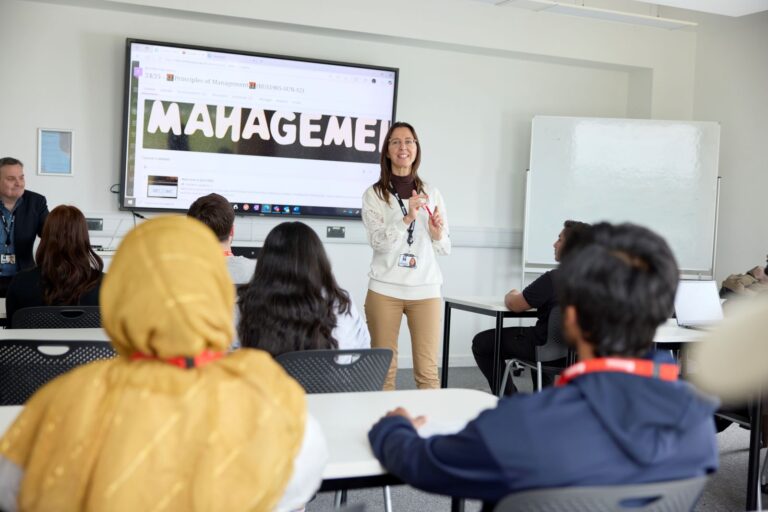
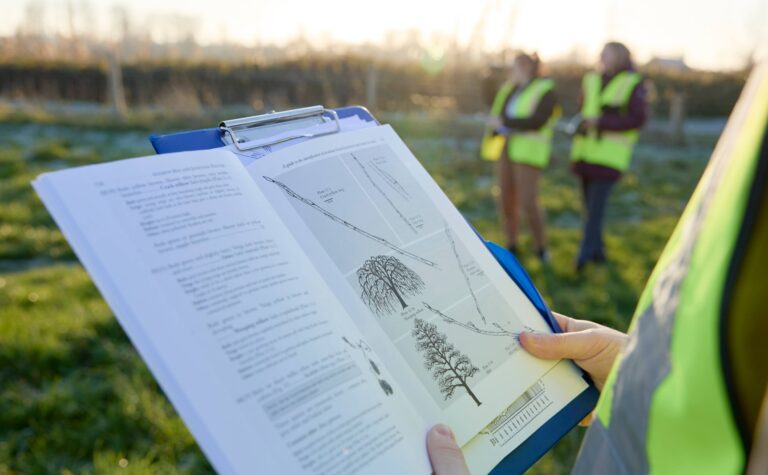
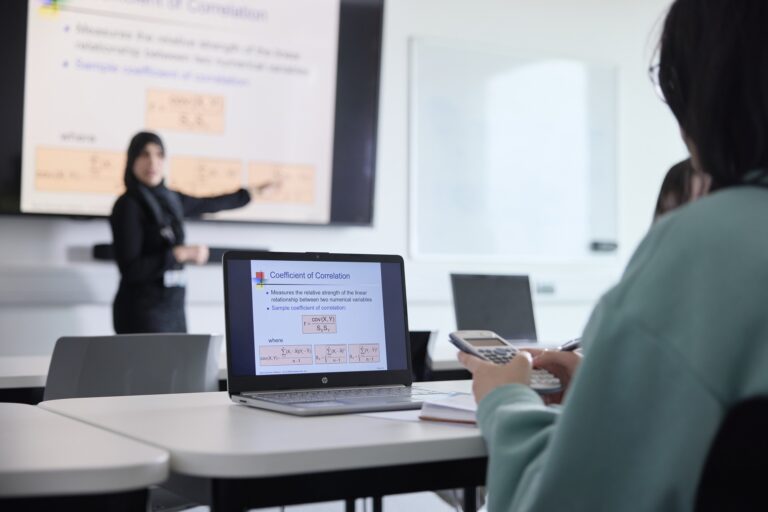
The mode of delivery dictates the range of teaching and learning strategies adopted, but could typically include lectures, seminars, fieldwork and supported by independent study. On-campus students attend weekly lectures. The basis for distance learning study is Module Learning Packs, which contain essential study material covering all learning outcomes. Where appropriate the Module Learning Packs also include a variety of journal articles as well as other reference materials and further reading lists. The University of Northampton virtual learning environment (NILE) facilitates communication and discussion with both fellow students and course tutors, as well as serving as a notice board and repository for posting news and developments in wastes management.

Special course features

  • All modules can be studied in a range of formats i.e. traditionally taught, intensive residential (subject to recruitment), e- and distance learning
  • They can be studied individually as part of a CPD programme, or can lead to a named award

Typical modules

All modules are 20 credits except the research thesis which is 60 credits. Students undertake the three compulsory modules and three designated modules, plus the research thesis (total of 180 credits). Modules available for study include:

  • Wastes Management (compulsory)
  • Research and Analytical Methods (compulsory)
  • Environmental and Wastes Management Legislation (compulsory)
  • The Politics of Waste (designated)
  • Wastes Minimisation (MSW) (designated)
  • Wastes Minimisation (Commercial and Industrial) (designated)
  • Advanced Thermal Wastes Management Technologies (designated)
  • Advanced Biological Wastes Management Technologies (designated)
  • Land Contamination and Disposal (designated)
  • Local Authority Wastes Management (designated)
  • Research thesis (MSc only)

A range of other postgraduate Wastes Management courses are also available. Please check the University course pages for details:

Students wishing to undertake the Postgraduate Diploma (PgDip) would undertake the three compulsory modules and three designated modules (120 credits), but not the research thesis module.

Postgraduate Certificates (PgCert) are normally delivered via distance learning. Students must take three modules (60 credits). Please check the University course pages for details.

Reading list

Williams, P.T (2005), Waste Treatment & Disposal, 2nd Edition, Wiley, London

DEFRA (2007), National Waste Strategy for England 2007. London, HMSO

Assessment

Coursework only.

Career opportunities

Graduates from The University of Northampton are highly sought after by the wastes and allied industries. Examples include Recycling Officers for Local Authorities, Landfill Site Managers and Environmental Consultants.

Application notes

Fees quoted are for home and EU students commencing their course in the academic year 2013/14. Tuition fees are payable for each year of the course. The fees are subject to annual increases in subsequent academic years.

Full time fees

£5350

Part-time fees

Year 1: £2010

Year 2: £2010

Year 3: £2010

Distance learning fees

Year 1: £2010

Year 2: £2010

Year 3: £2010


Funding information

Funding your study

Scholarships and bursaries

The following scholarships may be applicable:

This course is available to international students.

Full-time international tuition fees

For information on our international tuition fees, please see our Tuition fees for international students page.

How to apply as an international student

For information on how to apply to study with us, please see our How to apply page.

Scholarships available to international students

For information on the scholarships available to you as an international student, please see our International scholarships page.

Further details

For further help for international students please see our international students pages.

Download our course factsheet [PDF]

Share this page

Find a Course

Find a course
Enquiries
Open Days Come and see what we have to offer