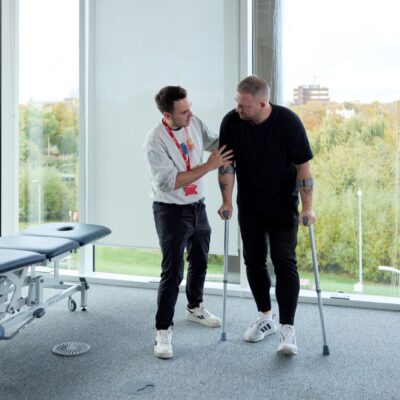

Puremeluan Major
Senior Lecturer in Public Health
To ensure we guide you through the correct application process, we just need you to answer a few quick questions.
Already applied?
Log in to view updates.
This course offers two separate application routes, depending on whether the application is submitted by the student or an international agent.
Please select your desired length of study from the available options.
This course includes a placement option. Please indicate whether you’d like to apply with or without a placement.
Please select where you would like to study.
All the available academic years are displayed below.
All the available start months for the selected academic year are listed below.
Please review the information below carefully before continuing.
If you need to make any changes, click the < Back button to return to the previous step.

Duration
1 year Full-time
2-5 years Part-time
Level
PostgraduatePG MSc
Full Time: £8,700
Part Time: £967 per 20 credit module
Full Time: £19,000
study@northampton.ac.uk
0300 303 2772
Updated 01/04/2026
This Masters in Public Health course has been designed to provide you with an integrated, coherent and multidisciplinary approach to public health activity.
Our MSc Public Health places particular emphasis on advancing your critical awareness and problem solving skills in order to develop innovative, reflective and pro-active approaches to meeting challenging and complex health needs. Examples of our pro-active approach to teaching and learning include; the analysis of contemporary non-communicable health issues such as obesity, diabetes and mental health, as well as those linked with public protection such as infectious disease surveillance and control.
For more information about the public health course, please contact our MSc Public Health teaching team by email: publichealth@northampton.ac.uk
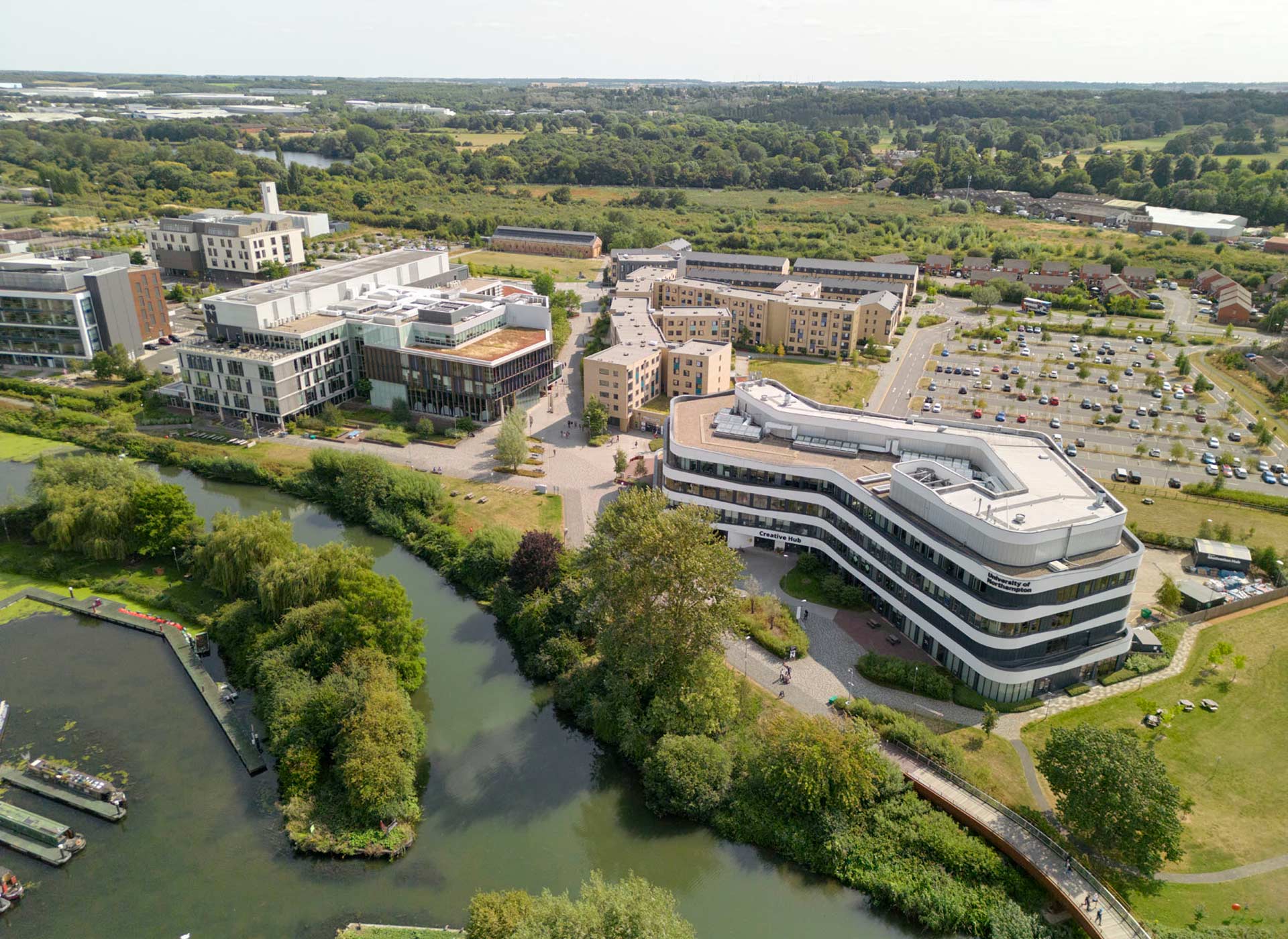
Waterside campus has everything students needs from: Learning Hub featuring 24/7 library, Creative Hub, on-site shop, restaurant, cafes and food outlets, multi-faith chaplaincy, student village hall, Students' Union and more. With only a short walk over the bridge into the town centre.

The Learning Hub and Student Information Desk would be a student's first point of call when needing support.

Our library covers three floors of the Learning Hub, with IT rich learning environments, including silent and group study spaces, physical books. Don't forget there are plenty more resources available online!

The Student Information Desk is the first place a student should go if they need any help. Here the team can direct you to academic support, mental health support, financial support, IT support, and more.

The Learning Hub is where every student will go for library support and classes, as well as food outlets and social events.
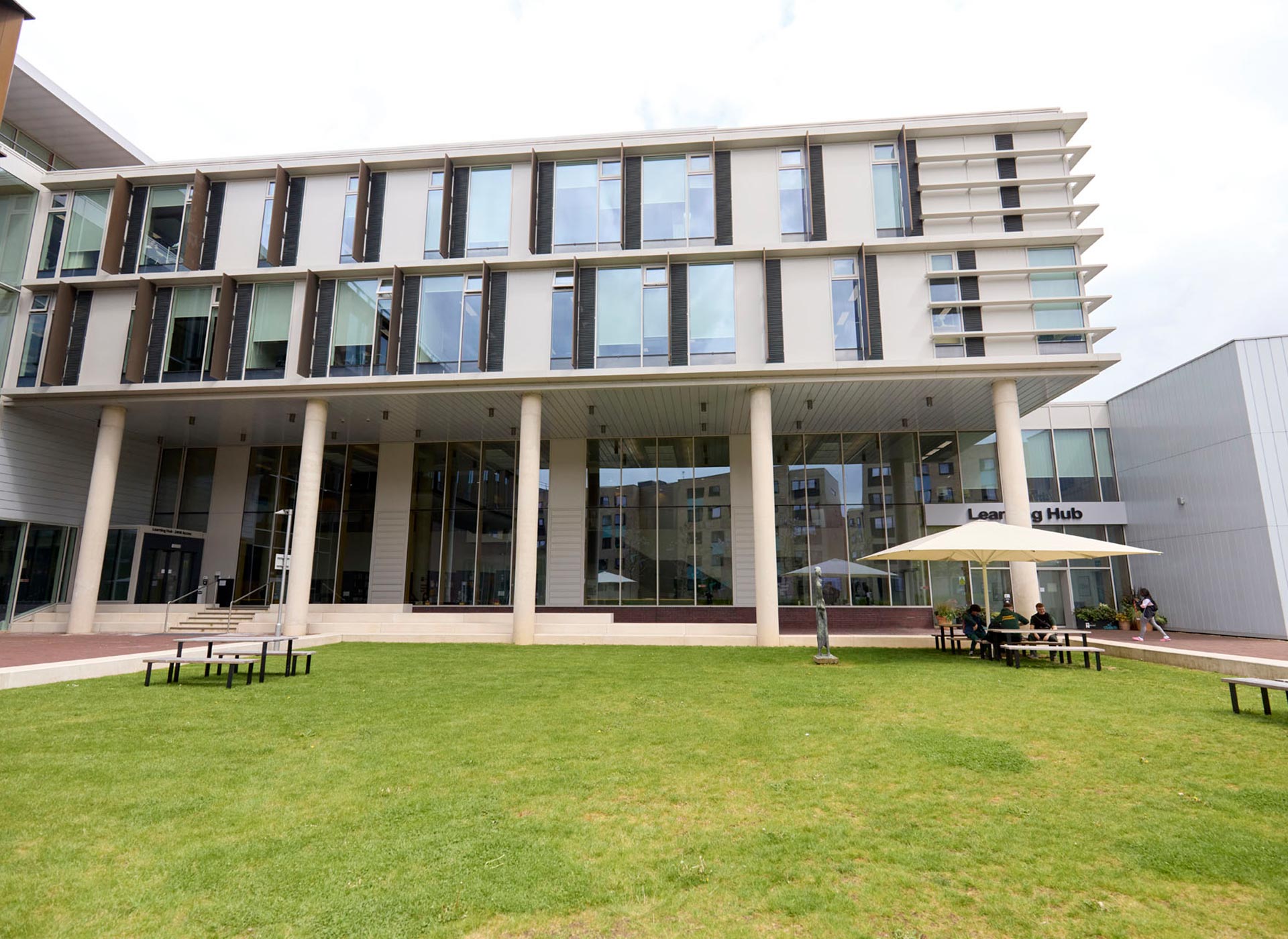
The Learning Hub also has lots of outdoor space for meeting with friends or finding some silent time between classes.
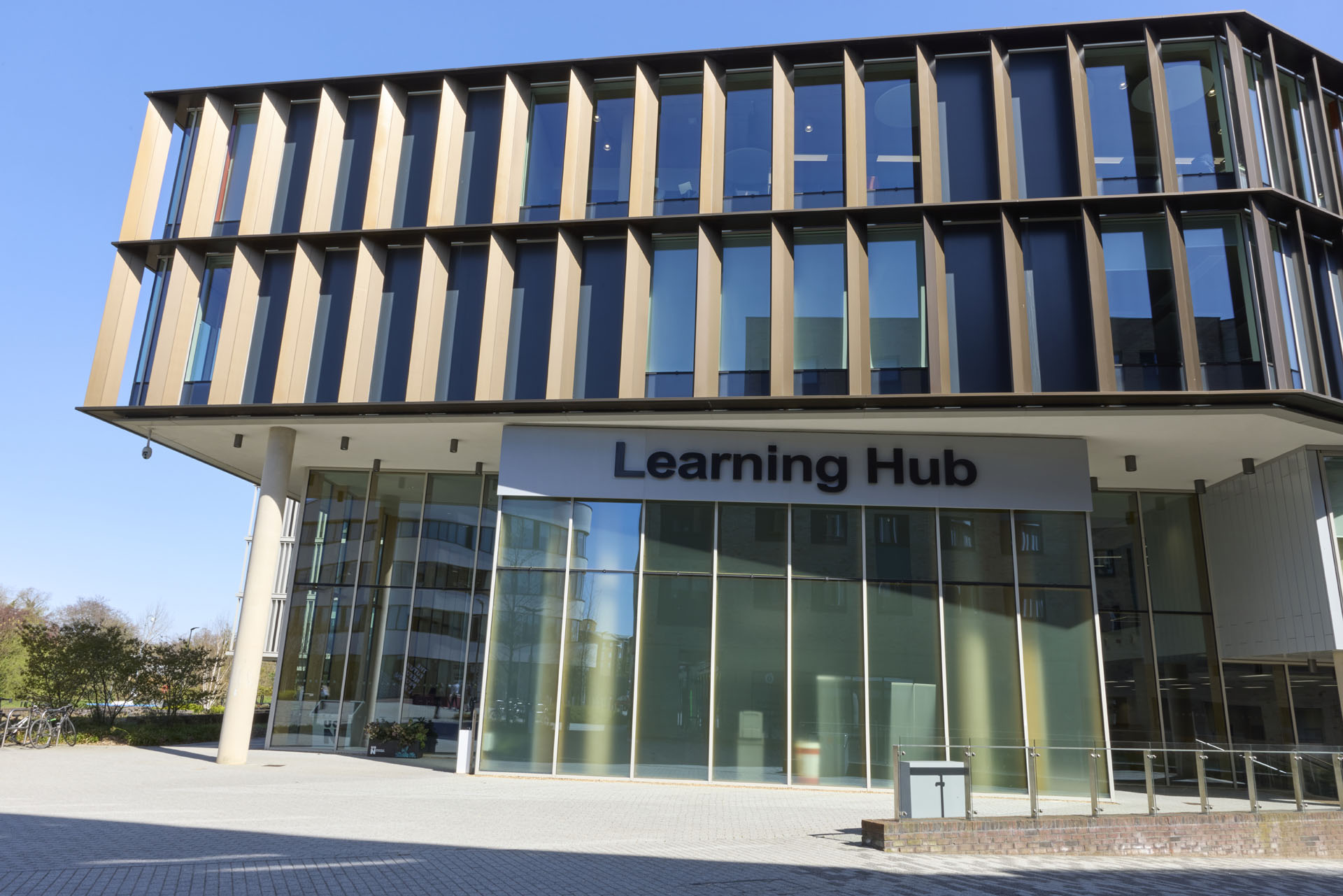
The Learning Hub is the biggest building on campus, home to our Student Information Desk, 24/7 library, teaching spaces, cafes, and more.

The big and spacious modern Senate building has various types of learning spaces, teaching rooms, our Bloomberg suite, Morley Room lecture hall, and cafes.
Applicants will normally hold a recognised First- or Second-class Honours degree in a subject area that demonstrates applicability to public health practice including:
Applications listing degrees not shown above may be referred to the course tutor to assess suitability for the programme. We will need to see:
All applicants for whom English is not their first language will need to demonstrate that they meet the minimum English language requirement of
For information regarding English language requirements at the University, please see our IELTS page.
You will have the opportunity to undertake a designated Voluntary Placement module and engage in a minimum of 50 hours of volunteering in a placement relevant to Public Health.
Our MSc Public Health will be delivered by a range of teaching methods such as core lectures, group work, online activities, use of case studies and directed learning approaches, preparing you for a career in Public Health at both strategic and operational levels.
Shared learning with other professionals will be a focus of this course and you will be encouraged to develop a critical, evaluative approach to the knowledge which underpins present-day public health practice.
All modules of the course (except the Professional Project) incorporate 200 hours of learning, including taught sessions, self-directed independent study, and assignment preparation. Furthermore, (included in the 200 hours) are six study days, in which you are expected to attend lectures or work online on electronic activities via the online learning environment, NILE.
The teaching team have created a flexible and challenging Public Health masters programme, which incorporates face-to-face teaching, workshops and tutorials, as well as three of the core modules having an extensive self-directed online component. Opportunities exist to undertake a volunteering post within a Public Health environment and to gain experience of working within a non-Governmental organisation whilst ‘giving back’ to the vulnerable in society.
Through autonomous learning, students on this module will build critical analysis skills to synthesise research philosophy and methods to design a research project that addresses the needs of current or emerging Health and Social care populations.
This module examines the history and scope of epidemiology as the ‘basic science of public health’. Underpinning principles such as making judgements about causality, exploring disease frequency, relative risk, odds ratios, bias and confounding are introduced. Consideration is given to epidemiological methods, such as describing and analysing data, critically appraising study designs, and reflecting on different public health issues in society.
The purpose of this module is to prepare students for working within public health settings, with the knowledge required for effective health protection, through developing critical awareness and problem solving skills in health surveillance, social behaviour and primary prevention.
The purpose of this module is to develop students¿ knowledge and understanding of a range of concepts and theories which underpin health promotion and behaviour change, in order to facilitate acquisition of skills needed to design, implement and evaluate effective health promotion strategies fit for the real world.
The purpose of this module is to prepare practitioners for working within public health settings, through developing critical awareness and problem solving skills, to facilitate apprasial of a target populations health needs, and design and project manage an intervention to build community capacity and empower the population to improve their health and wellbeing.
The purpose of this module is to provide students with the opportunity to complete a rigorous and evidence-based research project focused on a contemporary Public Health topic, in other to develop competence as independent researchers.
The purpose of this module is for students to critically explore a range of global healthcare systems and the factors impacting on healthcare need and provision across populations. Examination of the similarities and differences in healthcare systems is seen as important for the understanding of common healthcare problems and appreciation of the opportunities and strategies available to address global health issues.
The purpose of this module is to provide post-graduate students with an opportunity to gain experience of working with bona-fide public health voluntary organisations at local, national or international level. This will facilitate networking opportunities and exposure to a range of experiences which support acquisition of practical skills for promoting public health.
The purpose of this module is to prepare students for leadership roles, with knowledge and skills required for motivating self and others to be creative, innovative and effective in influencing change and enhancing professional practice in public health.
Please note the modules shown here relate to the academic year 25/26. The modules relating to the academic year 26/27 will be available from July 2026.
A masters in Public Health is a postgraduate level degree that equip students with the knowledge and skills required to protect and improve the health of the population through research, policy and practice.
Public health plays a crucial role in the prevention of diseases and promotion of health, as well as empowering individuals and communities to manage chronic illnesses and disabilities. Public health engages people from across disciplines and backgrounds to uncover the root causes of health problems and develop long-lasting, innovative, cost-effective solutions that improve everyone’s quality of life.
While medicine helps to treat people one-on-one when they are sick, in contrast, public health proactively prevents illnesses/injuries across large numbers of people through interventions. A career in public health will enable you to collaborate with others to develop and implement innovative solutions/interventions that will improve health and prolong lives of people both locally and around the world.
Our MSc in Public Health has a duration of 1 year full-time and 2-5 years part-time study.
Public Health is a broad field with a range of career opportunities in the following sectors: public policy, epidemiology, global health, public health education, lifestyle programmes, immunisation and screening programmes. Other career opportunities include public health analyst and public health programme manager.
The course can also act as a platform for graduates to progress on to a postgraduate research (MPhil/PhD) study in public health and to pursue a career in academia and research.
For more information please contact the MSc Public Health teaching team by email: publichealth@northampton.ac.uk
“What really helped me was taking advantage of the support offered by the University – the academics and professional services staff are always ready to assist and put you through, all you need to do is ask.”
Fees quoted relate to study in the Academic Year 26/27 only and may be subject to inflationary increases in future years.
When assessing an applicant’s eligibility to pay home fees, we use the guidance provided by the UK Council for International Student Affairs (UKCISA) which sets out the regulations that have been decided by the UK Government Department of Education.
Tuition fees quoted for International Students apply only to the 2026/27 academic year. These fees may increase in future years in line with Consumer Price Index (CPI) inflation to reflect rising delivery costs. Any annual increase will be capped at a maximum of 5% of the previous year’s tuition fee. Updated tuition fees will be published on the UON website at least three months before the start of the next academic year.
If you are starting a postgraduate Master’s course in 26/27, you may be able to apply for a Master’s loan from Student Finance England.
There are no additional costs for this course for students beginning their studies in September 2026. Should this change, applicants and students will be contacted by the university with details of the costs.
For information on the scholarships available to you, please see our scholarships page.
For more information about possible funding options, please visit our Fees and Funding pages.
Fees quoted for the masters degree in public health relate to study in the Academic Year 25/26 only and may be subject to inflationary increases in future years.

Senior Lecturer in Public Health

Senior Lecturer in Public Health

Senior Lecturer in Public Health
Senior Lecturer in Public Health

Lecturer in Public Health
Lecturer in Public Health

Senior Lecturer in Midwifery

Lecturer in Public Health
Public Health is a growing field of study, therefore there is an abundance of job opportunities to suit a variety of interests and skills. A Master’s degree in Public Health will help your career advancement within a variety of organisations and professions such as health and social care, local authority, and voluntary organisations.
Our Public Health students develop excellent communication and analytical skills and have entered a diverse range of jobs, such as working as Vaccine Logistic Experts for UNICEF, Medical Consultants with the WHO, Governmental Public Health Researchers and Infection Control Practitioners.
Public Health is a broad field with a range of career opportunities in the following sectors: public policy, epidemiology, global health, public health education, lifestyle programmes, immunisation and screening programmes. Other career opportunities include public health analyst and public health programme manager.
Graduates can also enter further study and progress on to a postgraduate research (MPhil/PhD) study in public health and to pursue a career in academia and research.
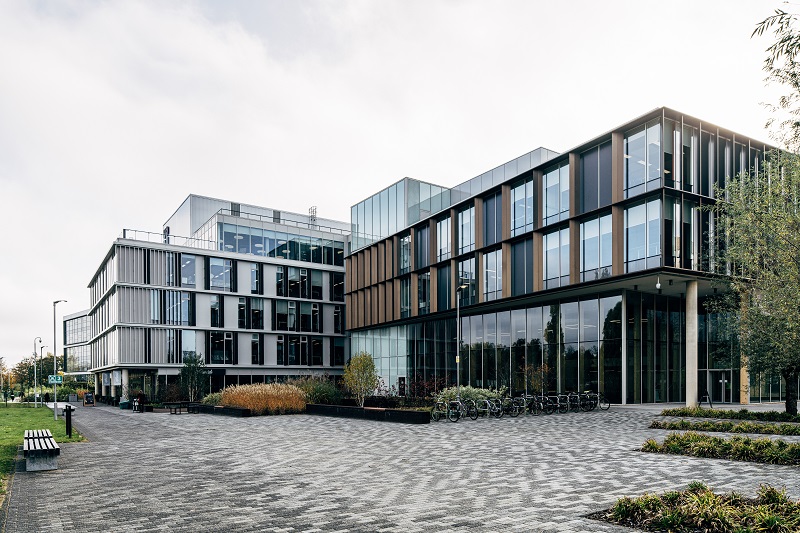
The Learning Hub is at the heart of the campus and home to the student information desk.
View Facility