
Helen Caldwell
Associate Professor in Education
To ensure we guide you through the correct application process, we just need you to answer a few quick questions.
Already applied?
Log in to view updates.
This course offers two separate application routes, depending on whether the application is submitted by the student or an international agent.
Please select your desired length of study from the available options.
This course includes a placement option. Please indicate whether you’d like to apply with or without a placement.
Please select where you would like to study.
All the available academic years are displayed below.
All the available start months for the selected academic year are listed below.
Please review the information below carefully before continuing.
If you need to make any changes, click the < Back button to return to the previous step.

Duration
1 year full time
2-5 years part time
1-3 years online
Level
Master'sPG MA
Full Time: £8,700
Part Time: £1,450.50 per 30 credits
Distance Learning: £1,305 per 30 credits
Full time: £19,000
Distance Learning: £1,305 per 30 credits
study@northampton.ac.uk
0300 303 2772
Updated 05/06/2026
Our Education MA program is designed to deepen your understanding of educational issues, policy, and practice whilst empowering you with the skills and confidence to lead evidence-based change in your own context. We encourage you to think critically and draw from your own experience to explore a range of themes, such as international perspectives, learning cultures and spaces, digital innovations, leadership, and health and wellbeing. You will discover the potential of education to enact positive change in both individuals and societies.
You can choose to study part-time or full-time for your MA Education on our Waterside Campus or 100% online from anywhere in the world. The MA Education degree online teaching option is designed for UK-based or international education professionals looking for the flexibility to fit the timing of their studies around life and work commitments.
However, if committing to a full Master’s course doesn’t suit your busy schedule right now, there are options to study standalone modules.
Join us in shaping a brighter future through informed and impactful education.
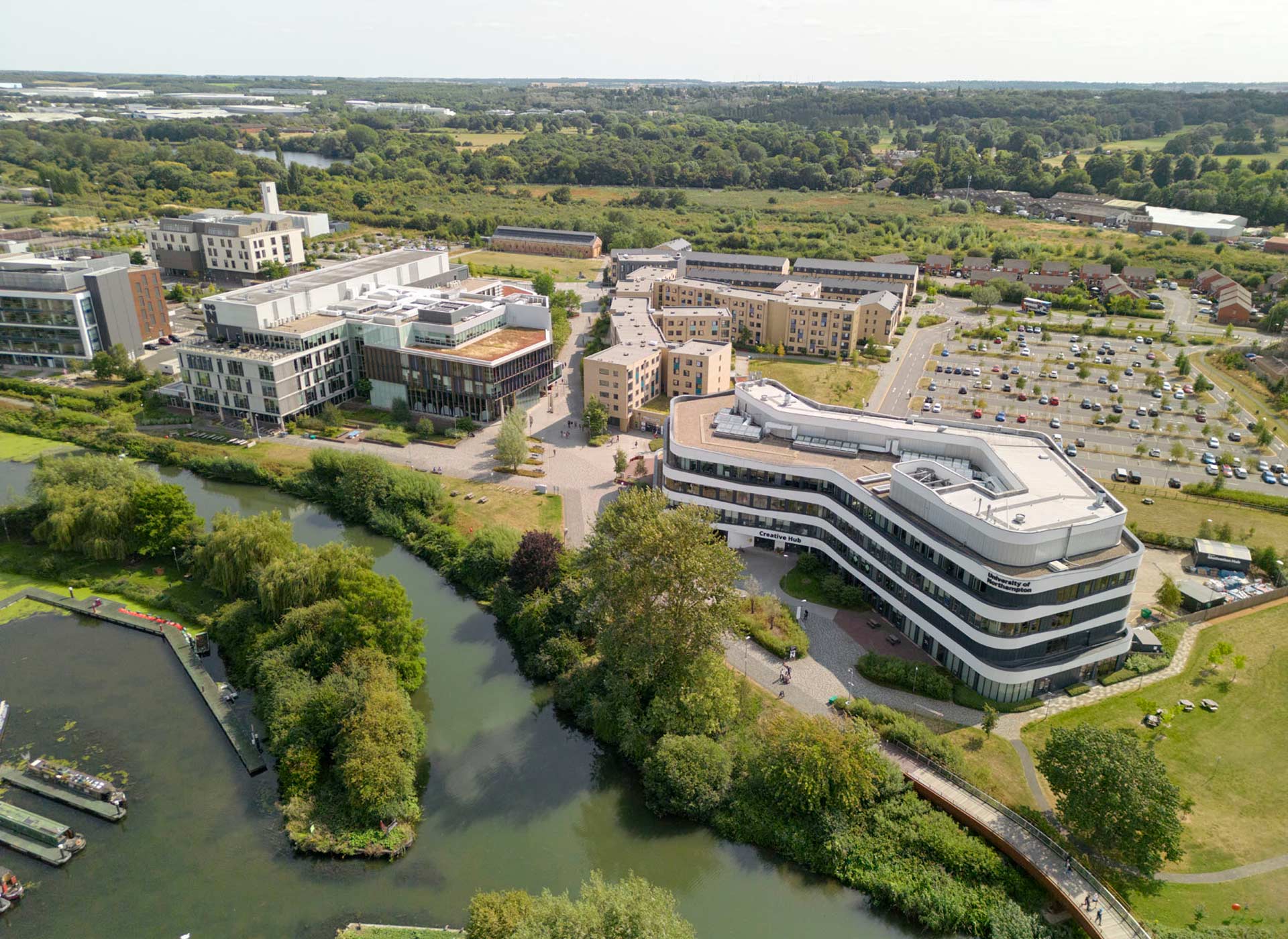
Waterside campus has everything students needs from: Learning Hub featuring 24/7 library, Creative Hub, on-site shop, restaurant, cafes and food outlets, multi-faith chaplaincy, student village hall, Students' Union and more. With only a short walk over the bridge into the town centre.
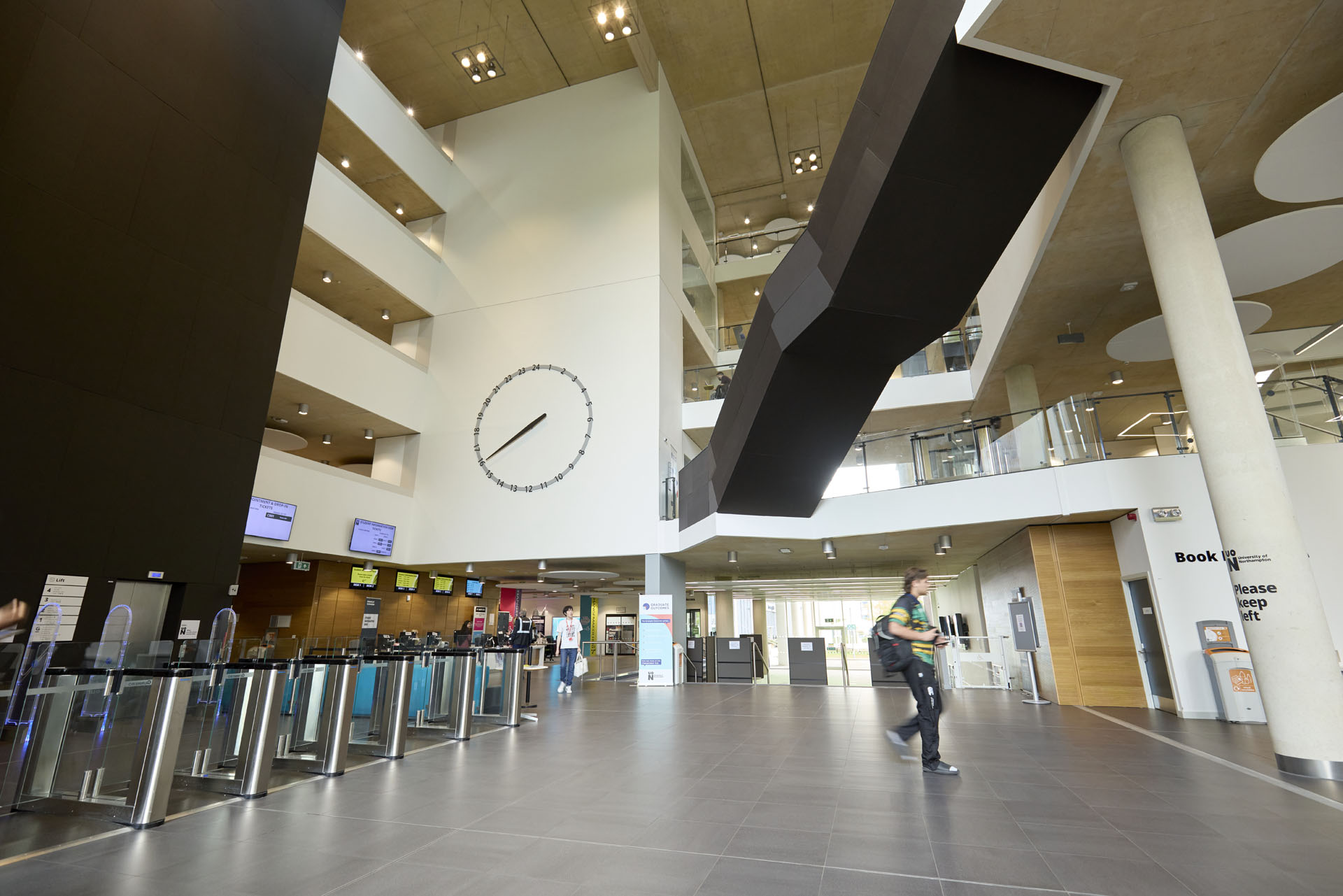
The Learning Hub and Student Information Desk would be a student's first point of call when needing support.
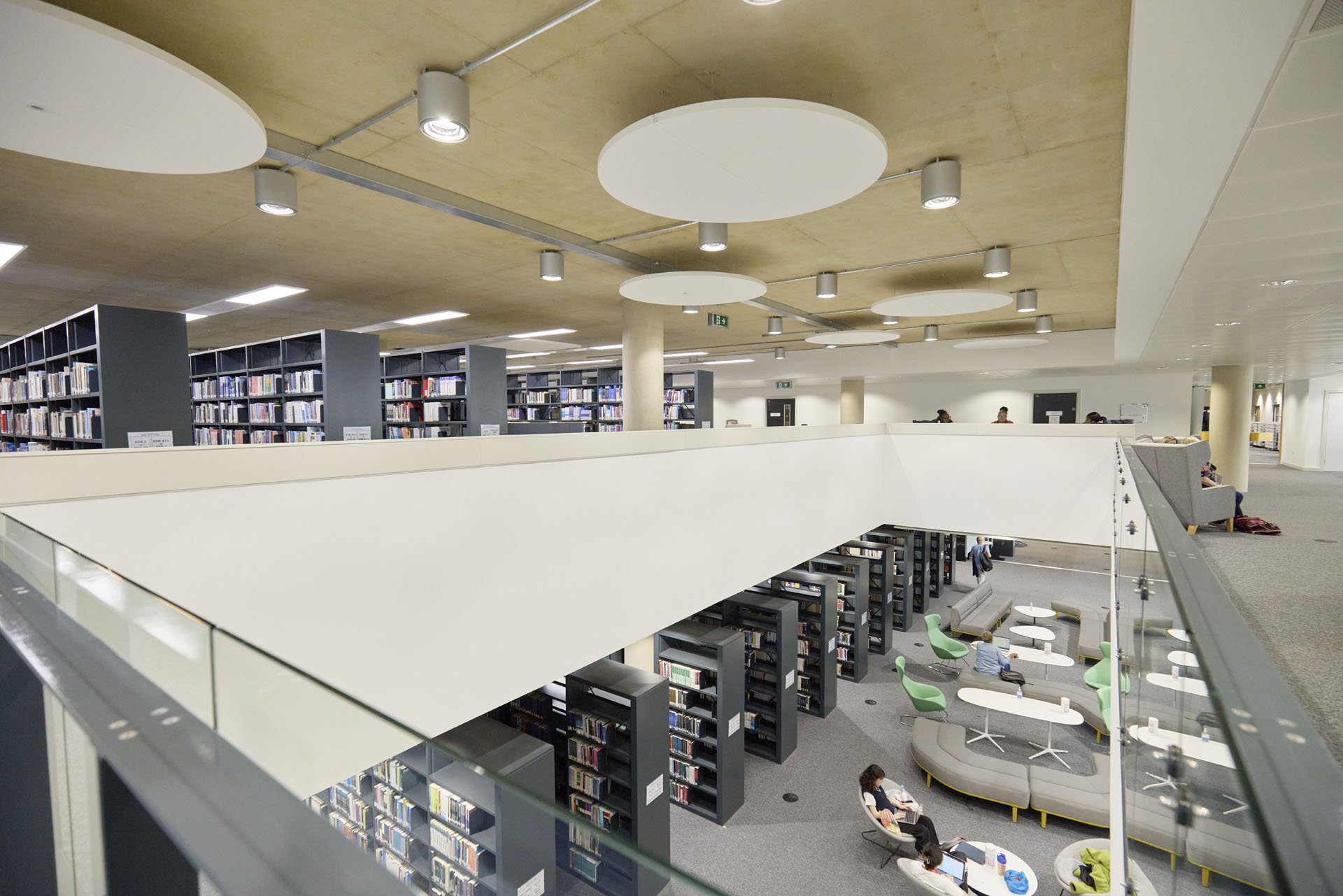
Our library covers three floors of the Learning Hub, with IT rich learning environments, including silent and group study spaces, physical books. Don't forget there are plenty more resources available online!
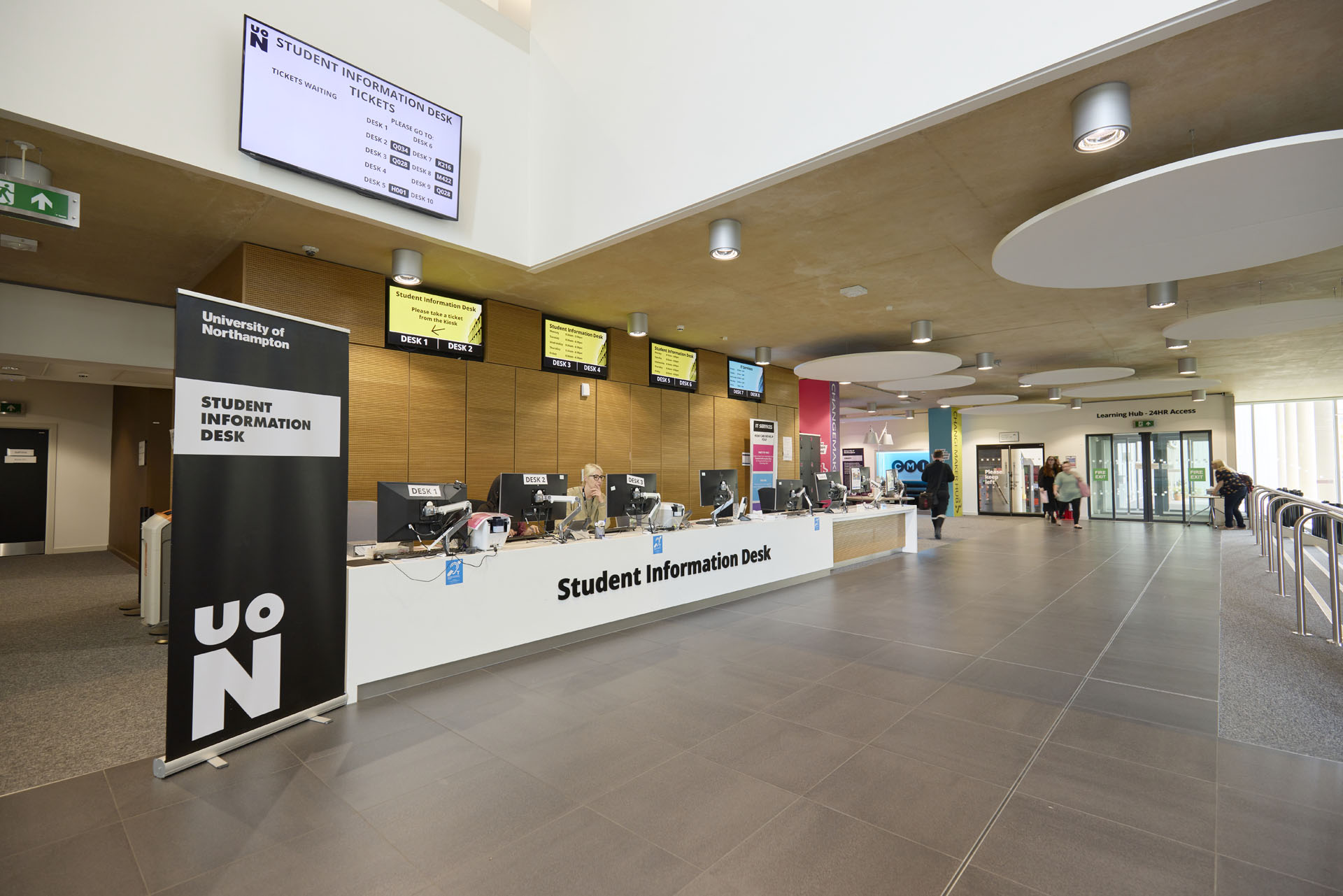
The Student Information Desk is the first place a student should go if they need any help. Here the team can direct you to academic support, mental health support, financial support, IT support, and more.
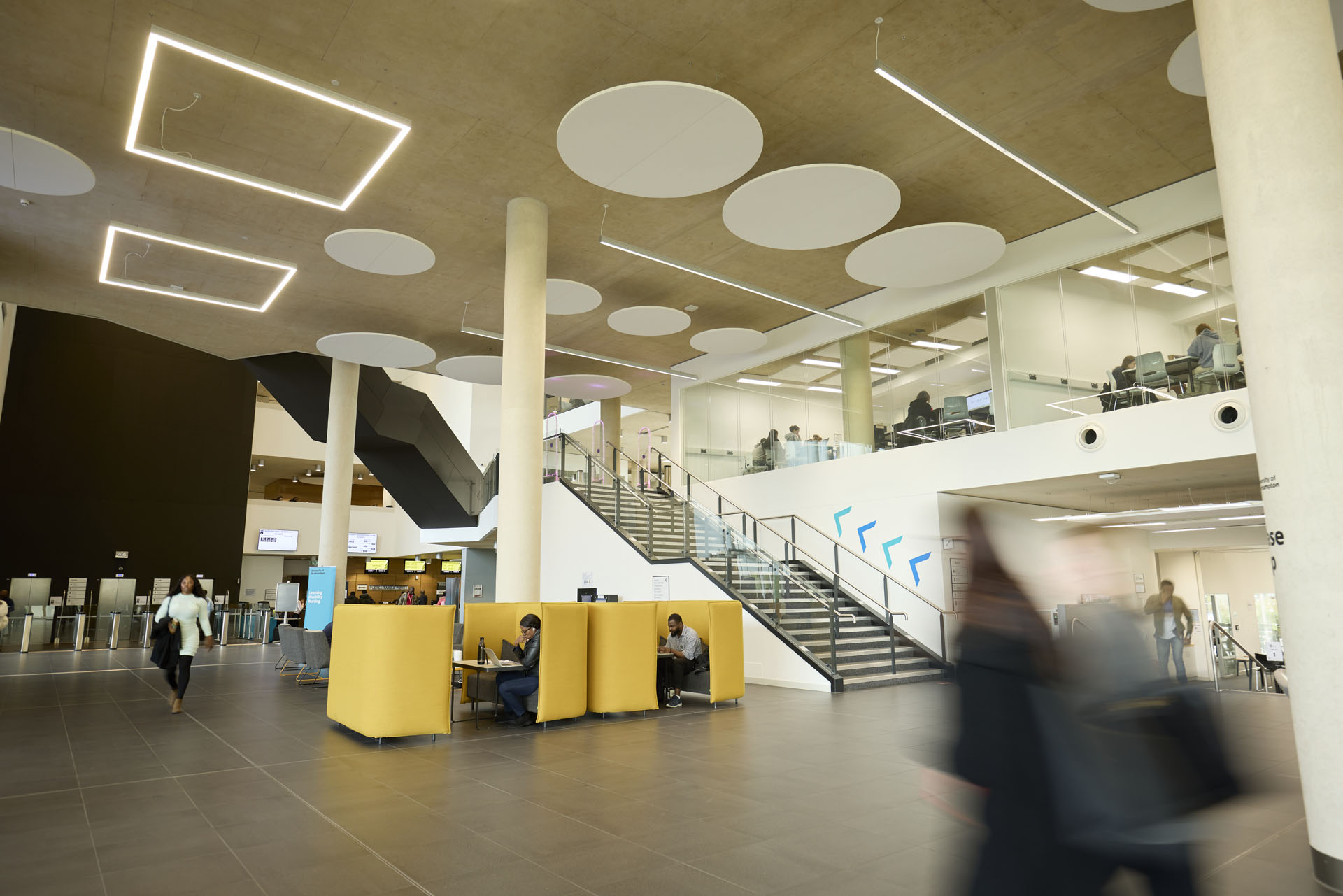
The Learning Hub is where every student will go for library support and classes, as well as food outlets and social events.
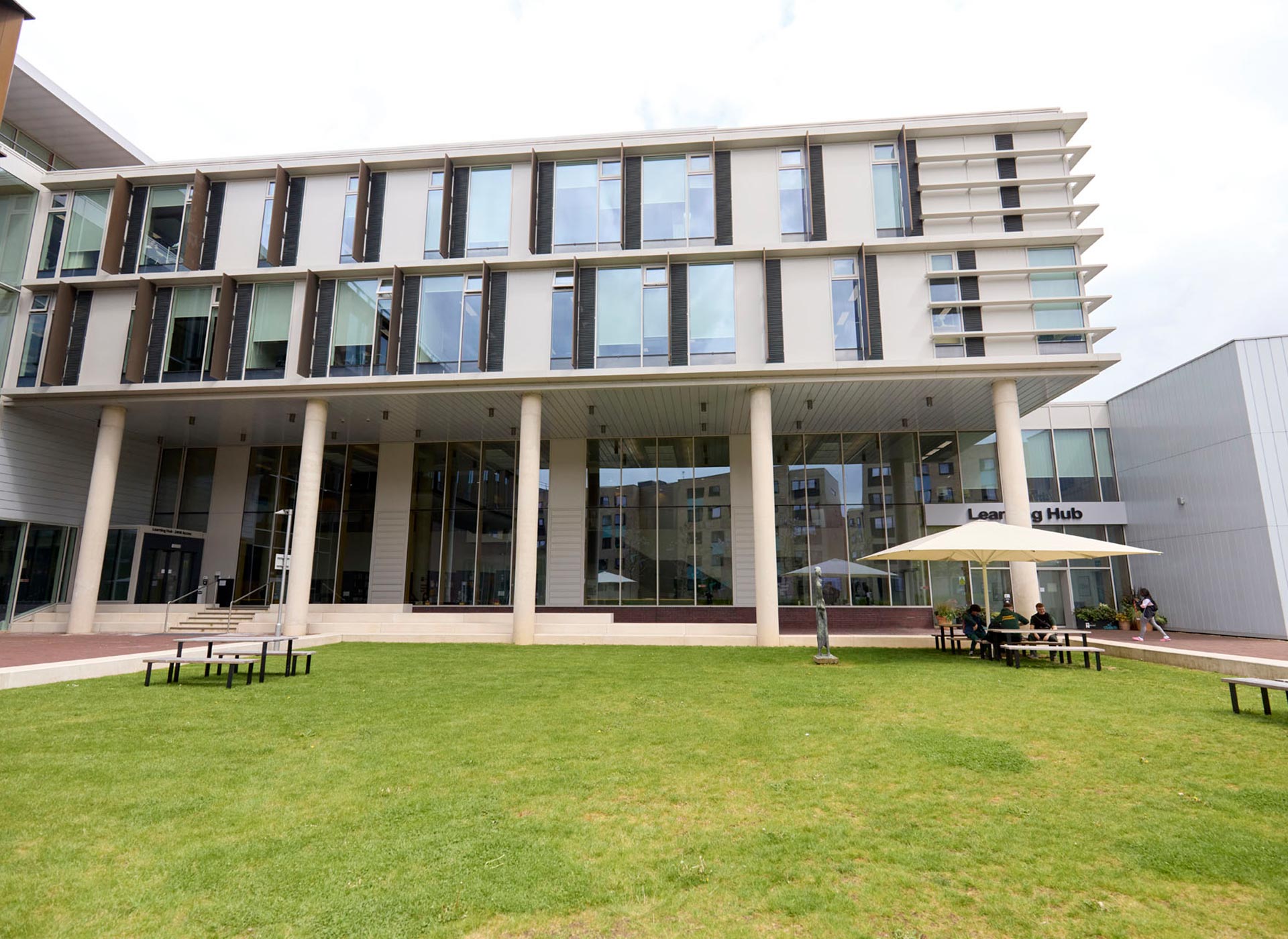
The Learning Hub also has lots of outdoor space for meeting with friends or finding some silent time between classes.
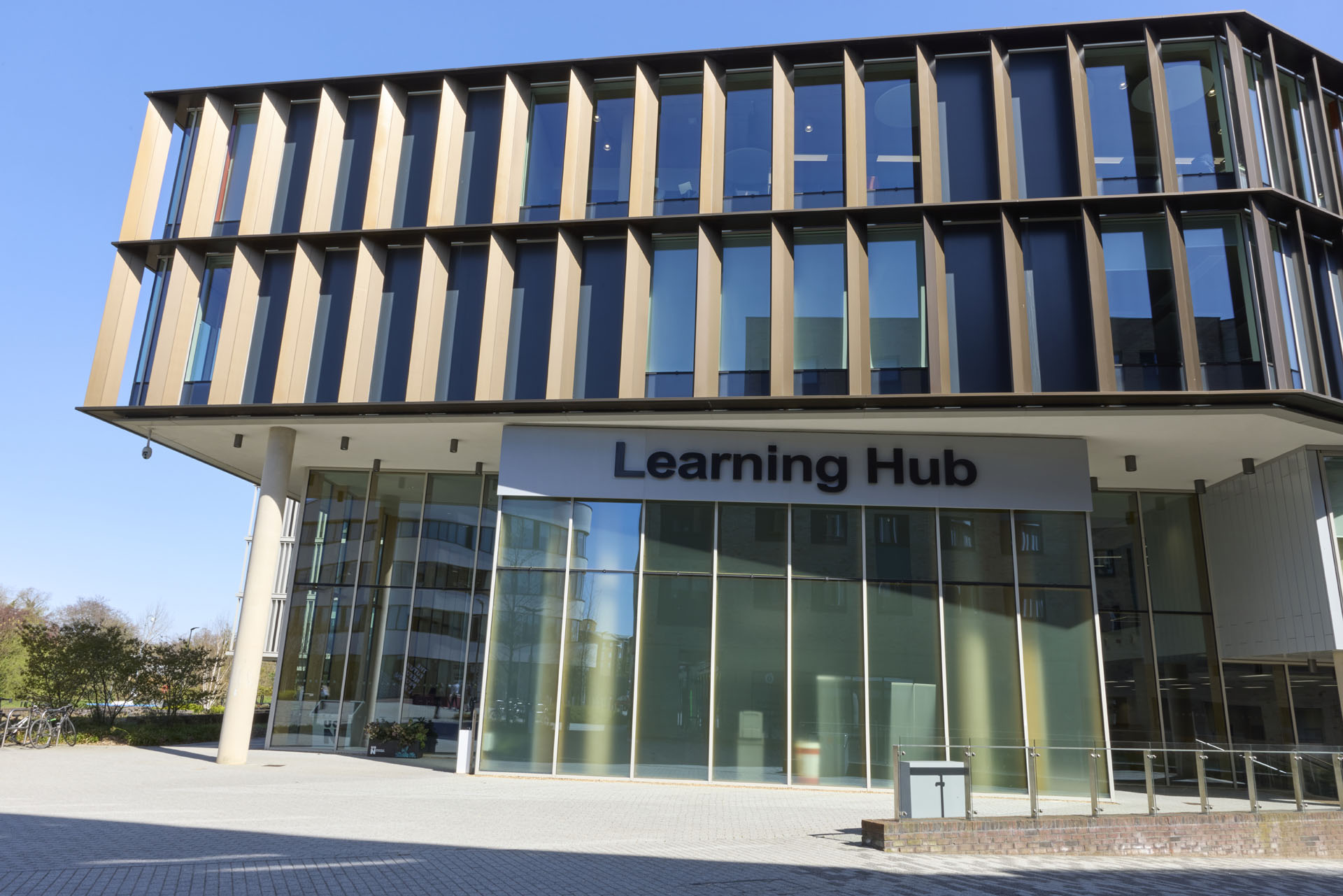
The Learning Hub is the biggest building on campus, home to our Student Information Desk, 24/7 library, teaching spaces, cafes, and more.
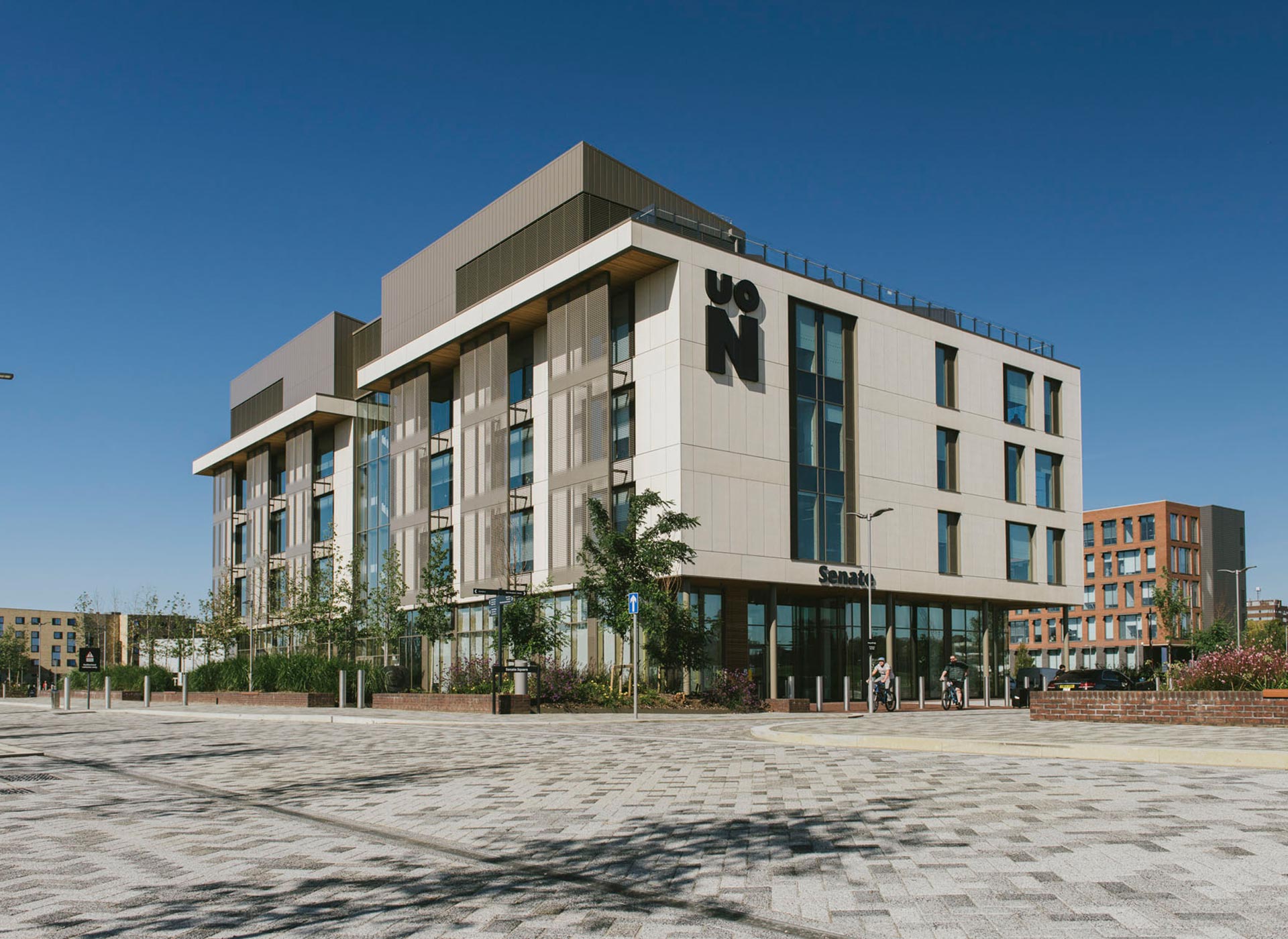
The big and spacious modern Senate building has various types of learning spaces, teaching rooms, our Bloomberg suite, Morley Room lecture hall, and cafes.
To study our Masters in Education course, you will need an honours degree, usually at 2:2 or above, from a UK institution or equivalent.
If you have other qualifications and have recent professional experience of three years or more, you will also be considered. In this case you will be interviewed and asked to demonstrate that you have engaged with the broad field of education at graduate level or equivalent.
If you have master’s (level 7) credits from another course, including the PGCE, NPQH, or programmes run by University of Northampton, then it may be possible to credit these towards this degree.
For information on how to apply to study the MA Education degree with us, please see our How to Apply page.
All International and EU students applying for a course with us must meet the following minimum English language requirements for study at postgraduate level:
For information regarding English language requirements at the University, please see our IELTS page.
Sustainability and the natural world must be at the heart of children’s learning and we are excited about the opportunities this programme will bring to the health, education and wellbeing of our community.
The MA Education Degree comprises seven modules and a dissertation. The dissertation is an original piece of research which may be presented in a choice of formats. You will be supported to share your research in journals, online or at conferences.
There is a range of assignment formats across the modules, with an emphasis on application to practice. Assignments include individual and group work and might involve essays, presentations, videos or portfolios. You can tailor assignment titles to your personal interests and explore aspects of education that are relevant to your own professional context. A key element across the course is a culture of knowledge-sharing which enables you to engage with fellow MA students and professional colleagues from around the world.
The purpose of this module is for students to explore comparative theories of education considering national and international policies, practices and issues. Students will engage with established and contemporary international research to evaluate socio-economic, political and cultural influences on education.
This module enables students to explore and critically reflect on what is meant by school culture and classroom culture in a historical, contemporary and international context. They develop a critical understanding of classroom cultures informed by educational values, beliefs, and personal experience linked to theory and research.
This module reconceptualises learning theories and pedagogical models into contemporary practice. Students will be challenged to apply innovative approaches to create relevant and real-world learning.
The purpose of this module is to explore the new horizons and the concept of digital transformation in education, focusing on themes such as active learning, technology integration frameworks, artificial intelligence, extended realities, and data ethics. It critically examines theories, models, and practices shaping contemporary educational settings, emphasising inclusive, ethical, and innovative technology application.
This module explores the significant role that health and wellbeing plays in educational settings, including local and global contexts, empowering students to develop strategies for promoting a holistic approach to health and wellbeing in learning communities, for self and others.
This module provides students with an opportunity to apply their research skills to complete an original research project under the guidance of a supervisor. Students will develop and implement a research idea to make an original contribution to the field of Education.
This module supports students in formulating research questions, designing and analysing research inline with contemporary research principles within education. Emphasis is placed on critical evaluation, ethical considerations, and project planning. Students will develop transferable and analytical skills enhancing their employability and aligning academic learning with real-world impact.
The purpose of this module is to provide opportunities to explore key issues related to the leadership and change management within educational settings. Students will explore these ideas within the context of their own and others professional and cultural backgrounds and in the context of differing educational settings.
Please note the modules shown here relate to the academic year 25/26. The modules relating to the academic year 26/27 will be available from July 2026.
How will I learn on the MA Education?
You can study either MA in Education face-to-face on campus or 100% online.
Online and on-campus teaching is in small group format, such as seminars and workshops, enabling you to engage in active engagement, discussion and debate. You will be invited to join special interest groups and research centres. Depending on which modules you choose, study trips or experiential learning opportunities may be included, and we often bring in guest speakers from around the world.
Teaching is underpinned by the linking of theory and practice, allowing you to critically reflect on work-based issues and innovations.
There are structured links to course materials and resources that are designed to enable you to learn in different ways and through different media. Our online library gives you access to a vast collection of electronic books and journals to support your independent study.
In addition, there are many support systems available, including personal academic tutors, academic advisors, thesis supervisors and career services.
What do our MA Education Degree students say?
“It’s such a cool experience being able to share and learn about different learning cultures from all over the world. The discussions we have are so interesting, especially with classmates bringing in their unique perspectives. It’s like taking a journey through education globally, and I’m really enjoying every bit of it.”
How much time will I need to commit?
As a full-time student, you will typically have 6 hours of classes per week and be expected to undertake a further 20-24 hours of self-directed study and research. If you are studying part-time, you will typically have 2 to 4 hours of classes per week and should undertake 8-12 hours of self-directed study per week. However, the workload varies across the year.
You will study for 1 year if you are full-time usually 2 years for part-time students – This can be adjusted to your needs.
How will I be assessed?
The way we assess is flexible and sensitive to your existing professional workloads. This enables you to link your studies to aspects of work in your own school or setting, or if you are a full-time student to your personal interests.
There are no exams for this Master of Education course. Instead, assessment is in the form of essays, portfolios, presentations and small-scale research projects. There is a combination of formative and summative assessments. You will complete the MA with a final project or dissertation that is presented in a negotiated format.
Who can I contact for more information about the MA in Education?
For more information on the MA Education please contact Dr Helen Caldwell.
The following Educations MA program modules are available to study as standalone, with or without credits. For more information and to apply, click on the links below:
“The knowledge and skills I gained during my MA have been incredibly helpful in my career.”
Fees quoted relate to study in the Academic Year 26/27 only and may be subject to inflationary increases in future years.
When assessing an applicant’s eligibility to pay home fees, we use the guidance provided by the UK Council for International Student Affairs (UKCISA) which sets out the regulations that have been decided by the UK Government Department of Education.
Tuition fees quoted for International Students apply only to the 2026/27 academic year. These fees may increase in future years in line with Consumer Price Index (CPI) inflation to reflect rising delivery costs. Any annual increase will be capped at a maximum of 5% of the previous year’s tuition fee. Updated tuition fees will be published on the UON website at least three months before the start of the next academic year.
There are no additional costs for Education MA students beginning their studies in September 2026. Should this change, applicants and students will be contacted by the university with details of the costs.
If you are starting a postgraduate Master’s course in 2026/27 either full-time or part-time* you may be able to apply for a Master’s loan through Student Finance England**.
*Please note that the maximum period of study allowed for part-time courses is two years.
**If you have exemptions from studying a PGCE you will not be eligible for Postgraduate funding as you must be studying the full 180 Credits.
For information on the scholarships available to you, please see our scholarships page.
For more information about possible funding options, please visit our Fees and Funding pages.
Fees quoted relate to study in the Academic Year 25/26 only and may be subject to inflationary increases in future years.

Associate Professor in Education

Senior Lecturer in Education (CYF)

Senior Lecturer in Education (CYF)

Senior Lecturer in Education (CYF)

Senior Lecturer in Education (CYF)

Senior Lecturer in Education (CYF)

Senior Lecturer in Education (CYF)
Master’s qualifications can give you the opportunity for higher level responsibility and senior posts within education, children’s services and further education.
This Master’s in education course addresses the needs of local authorities in the East Midlands as well as the government agenda for continuing professional development and the development of teaching as a research based profession.
An MA in education is a versatile degree for students in search of career paths beyond teaching. Although this Master’s programme equips you with skills and knowledge specifically within the field of education, it is not limiting but rather accommodates to other niche roles.
Some examples of the kind of work students can do following graduation include: