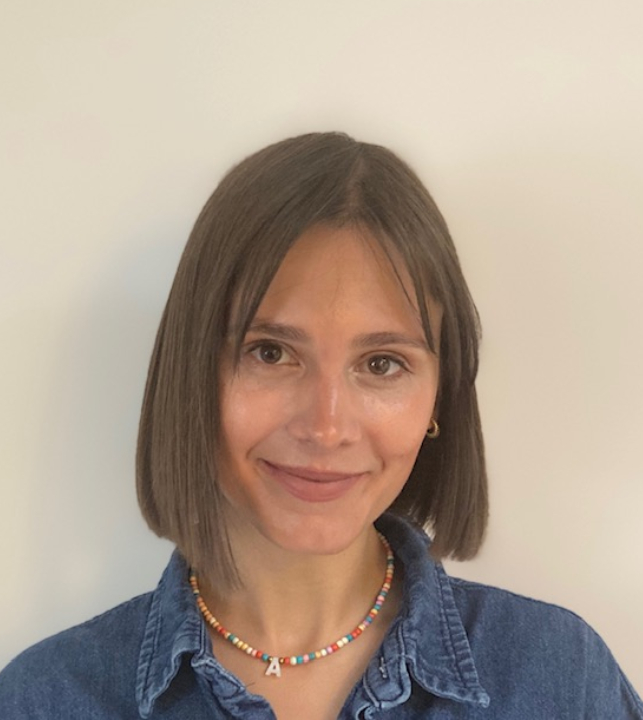
Hilary Scott
Senior Lecturer in Journalism and Broadcast Journalism
To ensure we guide you through the correct application process, we just need you to answer a few quick questions.
Already applied?
Log in to view updates.
This course offers two separate application routes, depending on whether the application is submitted by the student or an international agent.
Please select your desired length of study from the available options.
This course includes a placement option. Please indicate whether you’d like to apply with or without a placement.
Please select where you would like to study.
All the available academic years are displayed below.
All the available start months for the selected academic year are listed below.
Please review the information below carefully before continuing.
If you need to make any changes, click the < Back button to return to the previous step.
UCAS Code
BA: P500
BA with Foundation: P501
Duration
Full Time: 3 years
Full Time Foundation: 4 years
Part Time: 4 - 6 years
BBC at A-Level or,
DMM at BTEC
Full Time: £9,790
Part Time: £1,630 (per 20 credits)
Integrated Foundation Year: £9,790
study@northampton.ac.uk
0300 303 2772
Updated 01/06/2026
You begin Multimedia Journalism degree by learning the core skills and knowledge you need to work as a journalist. You rapidly move on to producing your own news, honing your writing and editing skills whilst deepening your knowledge of the law, ethics and professional practice of journalism today.
Each year on this course, you develop your skills further across a range of platforms and in your final year, you will be producing major pieces of both journalistic and academic work with which to launch you into your journalism career.
This course will open a range of career opportunities, in journalism, public relations and the wider media industry. Typical starter jobs include reporters, broadcast assistants, video content managers and producers.
Our Journalism graduates have worked for leading news institutions such as the BBC, BT Sport, LBC, Sky News, ventured into public relations or have gone on to further their studies with a master’s qualification.
For satisfied with teaching in the Guardian University Guide 2026.
For satisfied with feedback in the Guardian University Guide 2026.
For overall student positivity in the National Student Survey 2025.
Based on Office for Students (OfS) data from the National Student Survey. Data also taken from the 2026 Guardian University Guide Journalism Subject table, filtered by Satisfied with Teaching, and Feedback.
Our Journalism degree programme is accredited by the Broadcast Journalism Training Council.
The BJTC is a partnership between universities and the top broadcasters such as the BBC, Sky, ITN, Global Radio and more. When you graduate from us, you are also eligible for a BJTC skills certificate which will enhance your future employability.
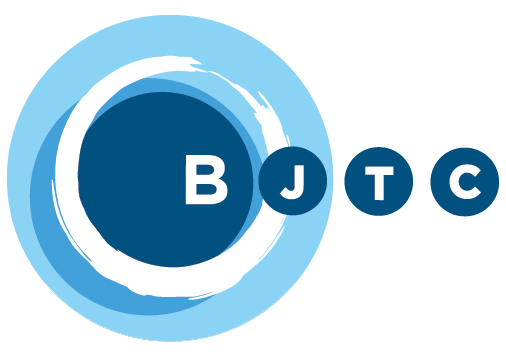

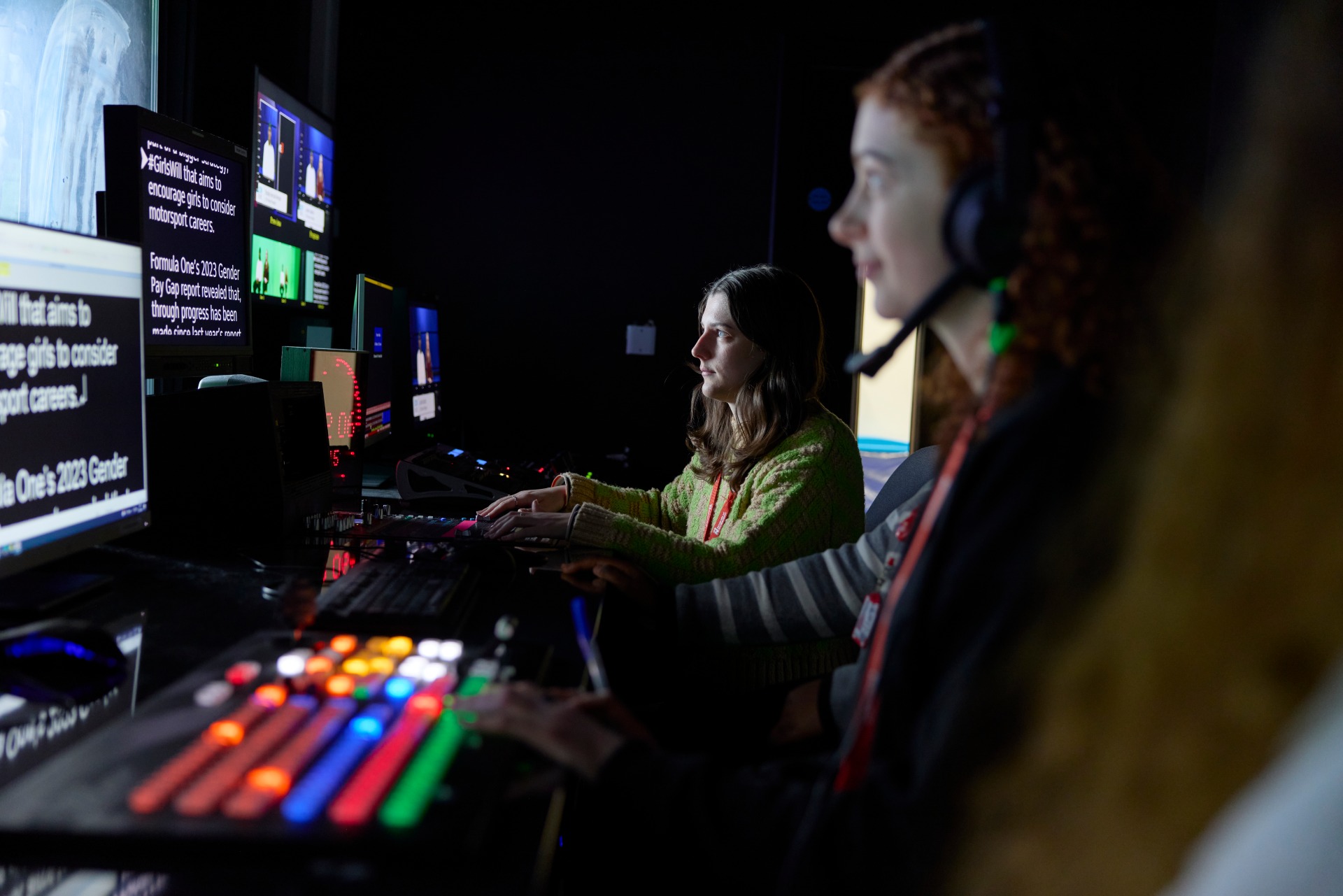
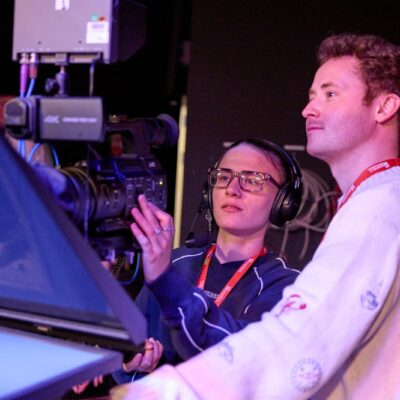
Students using the production desk and prepping the tele-prompter

Students using the gallery and studio space
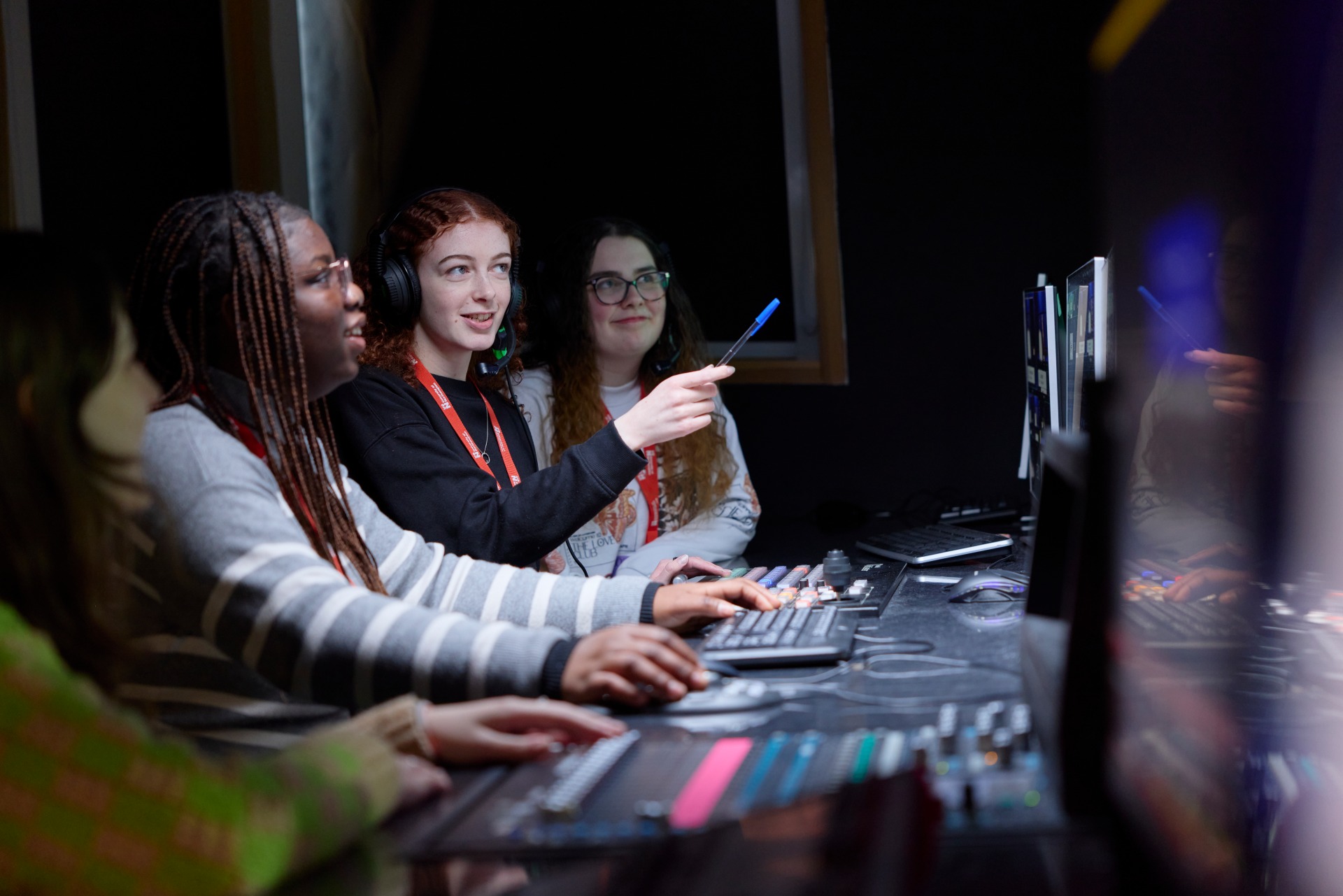
A student using the production desk
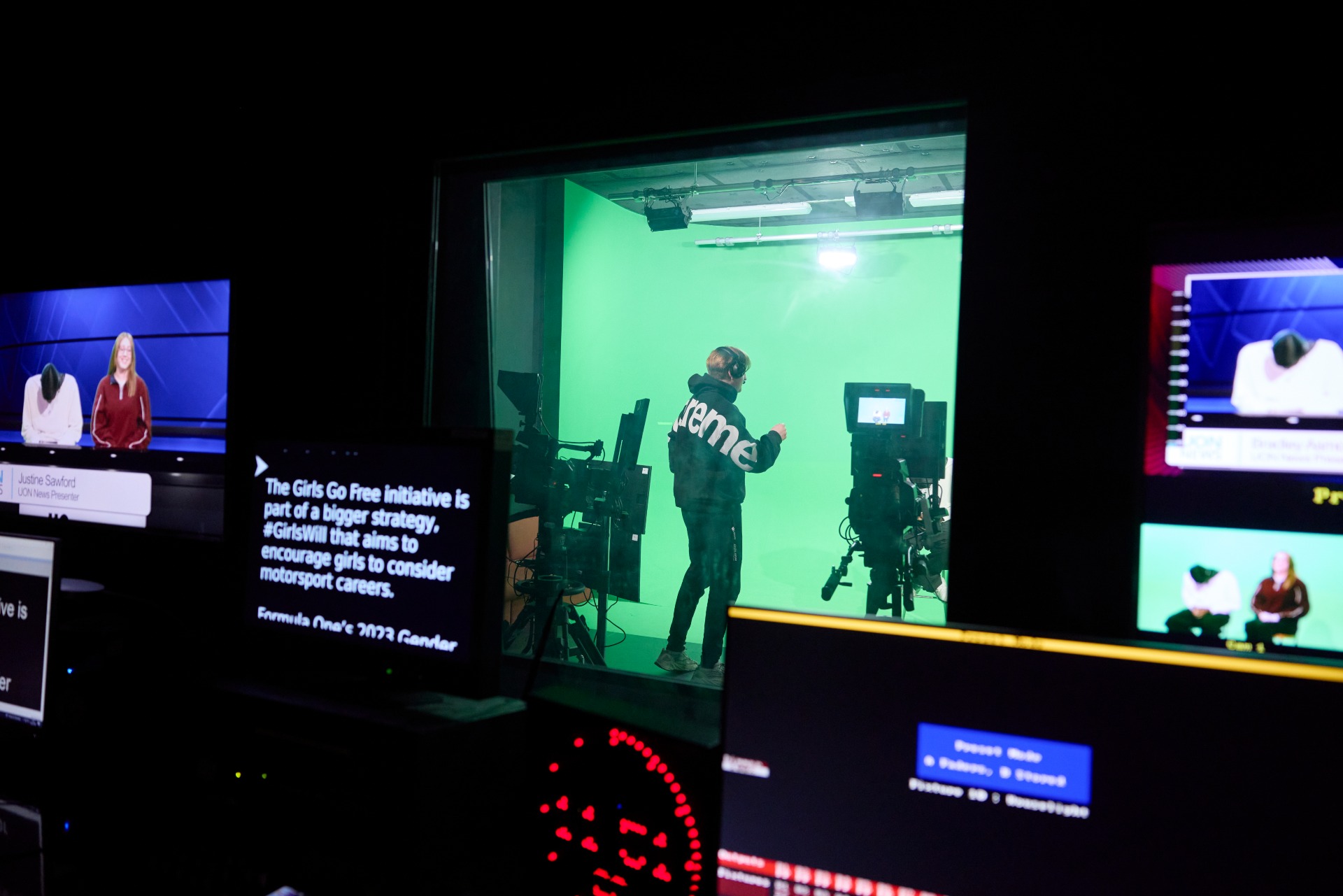
A view from the studio into the green room
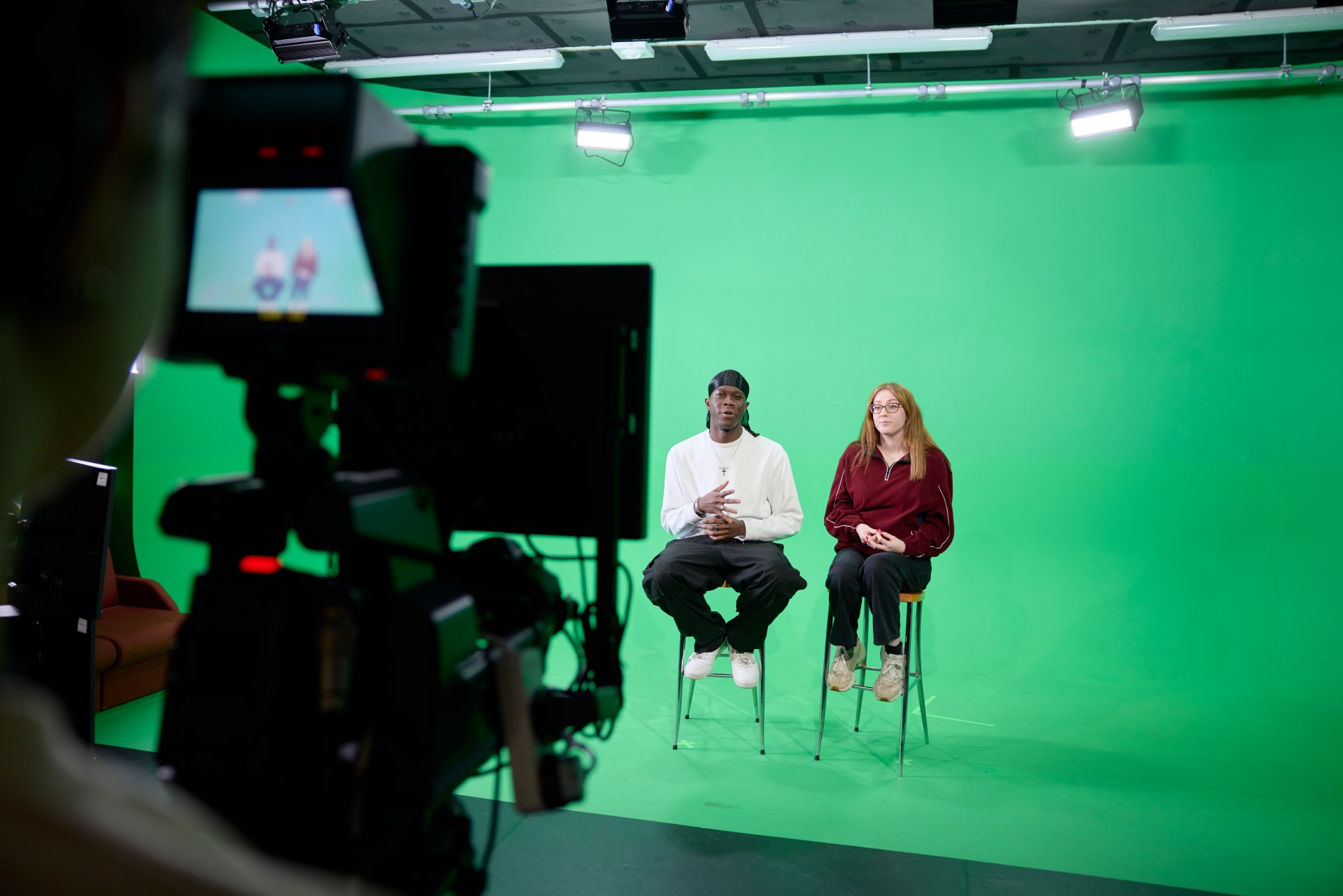
Two students sitting in the green room studio being filmed
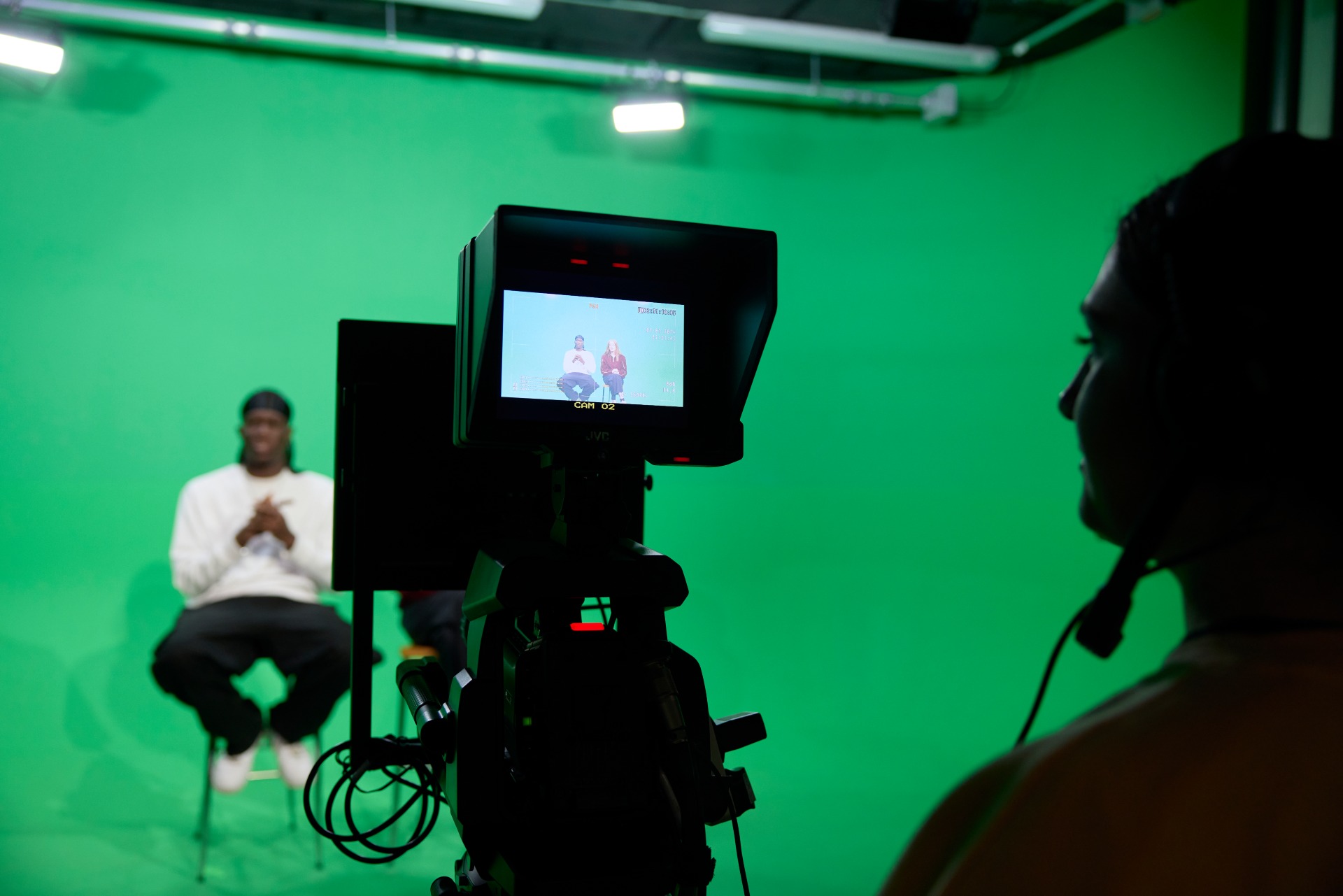
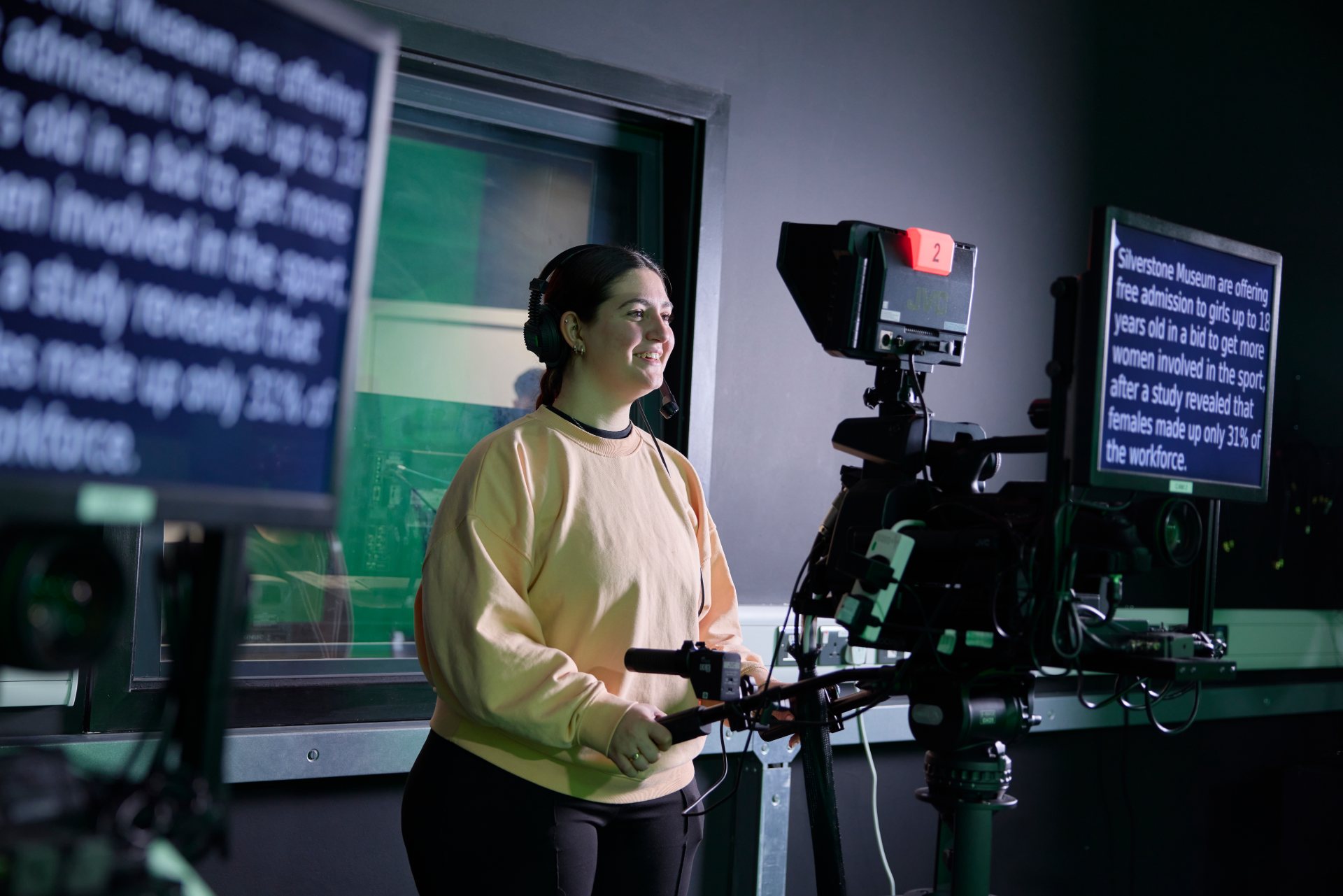
Student operating a tele-prompter in the TV studio
A typical offer for Multimedia Journalism is:
You will be expected to have achieved GCSE Mathematics and English (or equivalent) at grade C/4 or above.
We welcome international applications and applications from students with a range of non-traditional educational or professional qualifications who have an active interest in the study and practice of journalism.
We welcome applications from students with a mix of A levels and BTEC/Cambridge Technical qualifications. For more information on how to make an application, please visit our How to Apply page.
If you are an International student and would like information on making an application for this journalism degree, please see our How to Apply page.
Any students joining with advanced standing in L5 (Year 2) or L6 (Year 3) will be awarded BA (Hons) Journalism (without BJTC accreditation) rather than BA (Hons) Multimedia Journalism.
If the programme team feels that a student in this position was still eligible for the accredited award title (based on modules studied at a previous institution) then this would need to be documented and approved. We envisage that this would only be relevant in specific circumstances (e.g. a student transferring from a BJTC accredited course at a different institution at the end of L4). It would not be relevant for any international/partner students coming in at L6. The modules studied for the non-accredited award would be the same as those for the accredited award.
Admission to this foundation multimedia course is normally:
However, we would also like to hear from you if you have professional or industry experience, a range of other qualifications or self-developed subject knowledge that relates to the programme you wish to study.
In order to meet accreditation rules, all International and EU students studying this course must achieve the following minimum English language requirements:
They may be able to work towards this whilst doing the course, following referral to the course tutor for consideration.
For information regarding English language requirements at the University of Northampton, please see our IELTS page.
“I have so many fond memories from my time at the University of Northampton. I met incredible friends from all over the world, including my now husband, and had the opportunity to start the Media & Journalism Society.”
On this hands-on Multimedia Journalism course, you’ll learn how to find, write, and produce news stories across digital, print, radio and TV platforms. From your first day of being a student with us, you’ll be out creating content, developing your voice as a journalist, and building the skills that newsrooms demand, like interviewing, editing, and storytelling.
You’ll explore media law, ethics, and the power structures journalists report on, while gaining real-world experience through placements and live projects. With access to professional studios and mentoring from industry experts, you’ll graduate with a portfolio that showcases your talent and a BJTC-accredited qualification that employers value.
Whether you want to be a reporter, content creator, or media producer, this course sets you up for a career in the fast-moving world of journalism and beyond.
In Year 1 you will focus on the practical skills you need to produce online radio and television news, learning in our newsroom and in our radio and television studios.
You learn how to write stories for different platforms clearly and concisely. You will learn about the history and ethics of journalism – to understand how the industry has developed, and understand the key controversies.
You learn how to produce legally safe articles and how to legally hold power to account.
The purpose of this module is The purpose of this module is to introduce learners to non-fiction storytelling, developing their skills and building confidence in writing across a variety of styles including news, comment and features.
The purpose of this module is lay the groundwork for students¿ ability to newsgather important public interest stories effectively and legally safely. It covers the key civic structures for the UK and the essential elements of media law.
The purpose of this module is to build on the knowledge of civic structures and writing skills gained in Semester 1 by deepening students¿ reporting skills ahead of their Level 5 newsdays and by deepening their analysis and understanding of how to find stories from civic structures
The purpose of this module is to introduce students to a range of skills connected to researching, writing and gathering of news stories. It aims to allow students to develop technical and editorial expertise across print, radio, television and online journalism through guided instruction and completing a portfolio of practical assignments.
The purpose of this module is to introduce students to a range of skills connected to the production of broadcast bulletins whilst researching, writing and producing news stories. It aims to allow students to develop technical and editorial expertise across radio, television and online journalism through guided instruction and completing a range of practical assignments.
The purpose of this module is to equip students with an understanding of the contemporary practice of multimedia journalism, by examining the current models of communication with reference to its origins, context and likely development. Through an examination of practice, past and present, you will learn to understand the ethical challenges and practices of journalism now. The module will look at evolving modes of communication, the business models that need to keep them stable and their impact on society.
Please note the modules shown here relate to the academic year 25/26. The modules relating to the academic year 26/27 will be available from July 2026.
At the University of Northampton, everything we do, from funded trips to paid internships, is to give you everything you need to make a difference when you leave.
If you join this full-time course, you will receive a laptop when your course begins*. The laptops are built to a bespoke custom specification ideal for use in the seminar room, collaborative group work or studying at home.
Whatever your ambitions, we’re here to help you to achieve them. We’ll support you to identify the skills you’re learning during your course, find your strengths and secure practical experience so that when it comes to applying for jobs or further study you’ll feel confident in standing out from the crowd. We’ve created the Northampton Employment Promise because we are so confident that if you focus on your studies and complete one of our awards you’ll be highly employable by the time you graduate. Putting you in a great position to secure employment or continue your studies.
To check out the full list of perks, visit our Student Perks page or dedicated International Perks page.
*UK fee payers only (see Terms and Conditions for further details).
The Integrated Foundation Year (IFY) offers a new and exciting route into studying for a degree in journalism, attracting ambitious and driven students who are willing to learn and advance.
If you have non-standard qualifications or do not quite meet the admissions requirements we can offer you a fantastic opportunity to study a four year programme which includes an Integrated Foundation Year. The Integrated Foundation Year will help you develop the theoretical/practical and academic skills you need to successfully progress to the full award.
Our four-year courses will enable you to successfully follow the degree pathway of your choice while gaining essential study skills. The foundation year of your chosen degree will be studied on a full-time basis and is aimed at supporting the transition to higher education. Years two, three and four are then studied as a standard degree programme.
For this journalism course, your taught study will be a combination of lectures, seminars and workshops, both face to face and online through blended learning.
You are assessed through a mixture of practical work, essays and examinations with a dissertation in your final year.
During your studies, you will also complete at least 15 days of work placement.
Yes, we look out for great extracurricular opportunities. In 2019/2020, students went to Berlin to report the anniversary of the fall of the Berlin Wall. You can see them in action here on the inspiring trip to Berlin.
The course has its own:
We are immensely proud of our award-winning students. One third of our students who graduated in July 2019 either won or were highly commended in national or regional awards.
Kirk Asiedu won the Broadcast Journalism Training Council’s award for the best radio documentary and their overall award for journalism excellence for his practical project on dementia care in the UK and Ghana. Kirk now has a flourishing career in broadcast journalism.
Whilst there are examples of people who have got into journalism without a degree, gaining a degree that comes with industry accreditation will give you a much better chance of breaking into the industry.
You will need a combination of qualifications and evidence of prior work experience. We would recommend creating a digital portfolio of all of your works, include things like published news stories in print and online, clips from TV or radio news productions you have been involved with etc…
Going on work placements to media organisations is a great way to open the door to future employment in the industry. This is a career that requires you to build a wide range of contacts inside the industry, and a placement can be a great way to start.
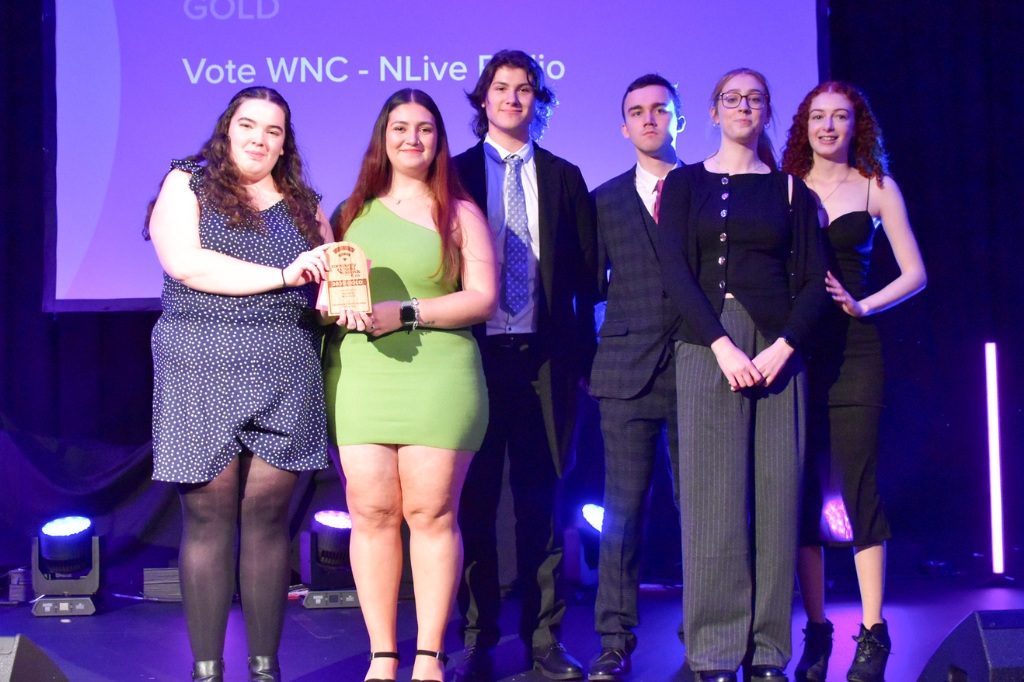
A team of student journalists at the University of Northampton were recognised at the 2025 Community Radio Awards for delivering gold-standard political reporting.
Full Time: £9,790
Part Time: £1,630 per 20 credit module
Integrated Foundation Year: £9,790 for the foundation year; thereafter standard fees apply
Fees quoted relate to study in the Academic Year 2026/27 only and may be subject to inflationary increases in future years. UON will adjust UK fees annually in line with Government Policy.
When assessing an applicant’s eligibility to pay home fees, we use the guidance provided by the UK Council for International Student Affairs (UKCISA) which sets out the regulations that have been decided by the UK Government Department of Education.
Full Time New Students: £17,000
Full Time Continuing Students: £16,300
Integrated Foundation Year: £17,000 for the foundation year; thereafter standard fees apply
Tuition fees quoted for International Students apply only to the 2026/27 academic year. These fees may increase in future years in line with Consumer Price Index (CPI) inflation to reflect rising delivery costs. Any annual increase will be capped at a maximum of 5% of the previous year’s tuition fee. Updated tuition fees will be published on the UON website at least three months before the start of the next academic year.
Optional
Subscription to Adobe Creative Cloud. This will give you access to creative tools at home and costs £15 per month.
For information on the scholarships available to you, please see our scholarships page.
For more information about possible funding options, please visit our Fees and Funding pages.
Fees quoted relate to study in the Academic Year 25/26 only and may be subject to inflationary increases in future years.

Senior Lecturer in Journalism and Broadcast Journalism

Senior Lecturer in Journalism & Media

Senior Lecturer in Journalism & Media
This course will open up a range of career opportunities, in journalism, public relations and the wider media industry. Typical starter jobs include reporters, broadcast assistants, video content managers and producers
Graduates from Multimedia Journalism have gone on to work for the BBC, BT Sport, LBC, Sky News and into public relations or have gone on to master’s study.